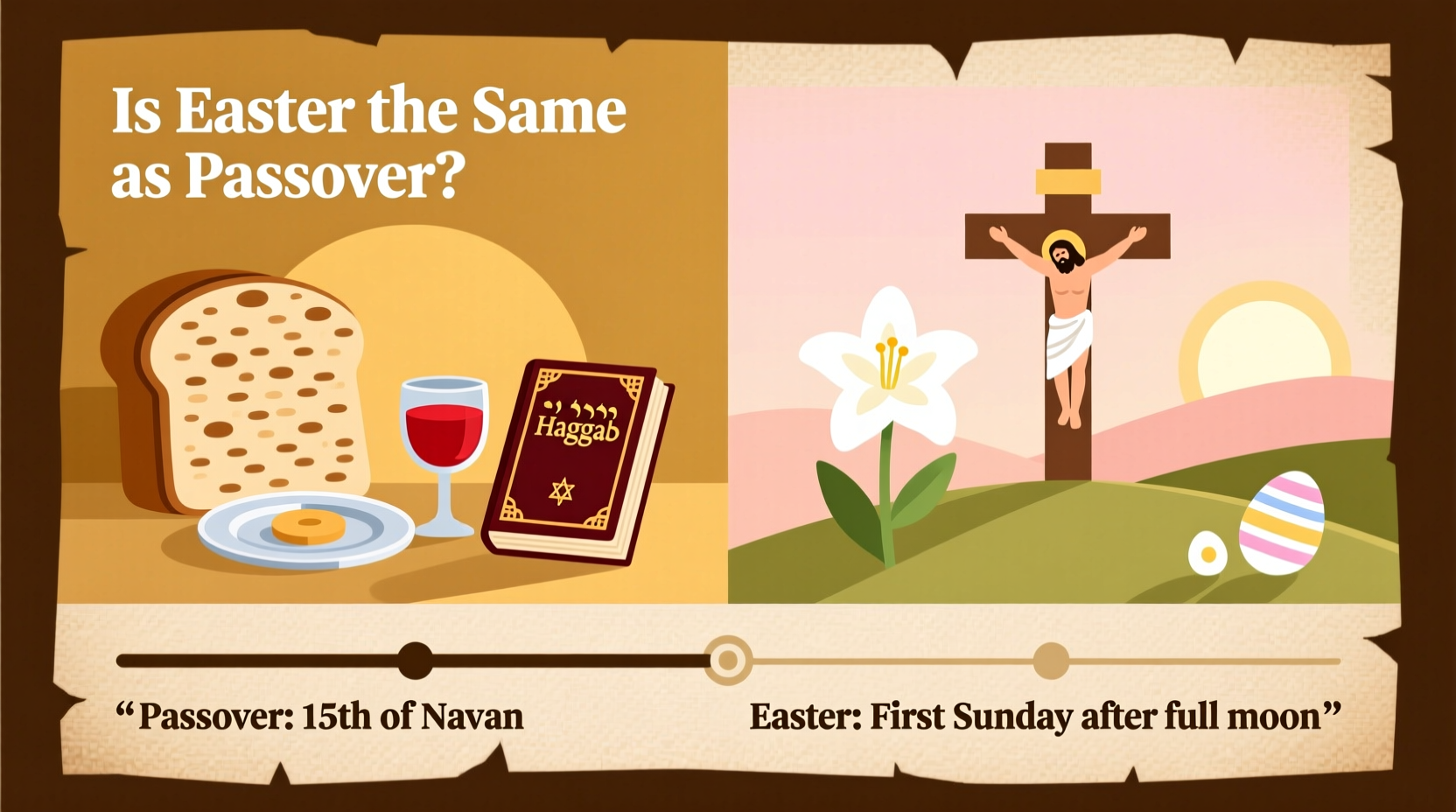
No, Easter is not the same as Passover, although the two holidays are historically and thematically connected. While is Easter the same as Passover may seem like a simple question, the answer reveals a rich interplay between Christian and Jewish traditions, calendar systems, and theological significance. Both festivals occur in the spring and often fall around the same time, especially in many years when Easter Sunday follows shortly after the beginning of Passover. However, their origins, religious contexts, rituals, and purposes differ significantly. Understanding whether Easter is the same as Passover requires exploring their historical roots, scriptural foundations, liturgical practices, and cultural expressions across different communities worldwide.
Historical Origins of Easter and Passover
Passover, known as Pesach in Hebrew, is one of the most important festivals in Judaism. It commemorates the liberation of the Israelites from slavery in ancient Egypt, as described in the Book of Exodus. According to the biblical narrative, God sent ten plagues upon Egypt, with the final plague being the death of the firstborn. The Israelites were instructed to mark their doorposts with lamb's blood so that the plague would 'pass over' their homes—hence the name Passover. This event led to Pharaoh releasing the Israelites, marking the beginning of their journey to the Promised Land.
Easter, on the other hand, is the central feast in the Christian liturgical year, celebrating the resurrection of Jesus Christ from the dead, as recounted in the New Testament Gospels. Christians believe that Jesus’ resurrection three days after his crucifixion signifies victory over sin and death, forming the foundation of Christian faith. The earliest recorded observances of Easter date back to the 2nd century, though it likely originated even earlier among Jewish-Christian communities who saw Jesus’ death and resurrection as fulfillment of Jewish prophecies and festivals.
Calendar Differences: When Do Easter and Passover Occur?
One reason people ask is Easter the same as Passover is because the dates often coincide. However, the calculation methods for each holiday differ:
- Passover begins on the 15th day of the Hebrew month of Nisan, which usually falls in March or April on the Gregorian calendar. It lasts for seven days in Israel and eight days in the Diaspora.
- Easter is observed on the first Sunday after the first full moon following the spring equinox (March 21). This method, established by the Council of Nicaea in 325 CE, means Easter can fall anywhere between March 22 and April 25.
Because both holidays are tied to lunar cycles and the spring season, they frequently overlap. For example, in 2025, Passover begins on April 14, and Easter falls on April 20. In 2026, Passover starts on April 3, and Easter is celebrated on April 5—just two days later. This proximity has led to shared cultural symbols and misunderstandings about whether Easter is the same as Passover.
Religious Significance and Theological Meaning
The core meanings of Easter and Passover diverge sharply despite some thematic parallels. Passover emphasizes national liberation, divine intervention, and covenantal identity. Families gather for the Seder meal, where they read from the Haggadah, eat symbolic foods like matzah (unleavened bread) and bitter herbs, and retell the story of the Exodus. The focus is on remembrance, education, and continuity across generations.
Easter centers on personal salvation, spiritual rebirth, and eternal life through Jesus Christ. Observances include Holy Week services, Good Friday crucifixion vigils, and Easter Sunday celebrations featuring church services, hymns, and the proclamation “He is risen!” The use of eggs, lambs, and spring imagery symbolizes new life and resurrection.
While early Christians—many of whom were ethnically Jewish—may have celebrated Passover while interpreting Jesus as the Paschal Lamb, mainstream Christianity gradually separated from Jewish practices. Over centuries, Easter evolved into a distinctly Christian festival, no longer bound to the Jewish calendar or rituals.
Symbolic Connections and Common Misconceptions
A common misconception stemming from the query is Easter the same as Passover is that Easter is simply a Christian version of Passover. While there are symbolic links—such as Jesus being referred to as the “Lamb of God” in John 1:29 and Paul stating in 1 Corinthians 5:7 that “Christ, our Passover lamb, has been sacrificed”—these are theological interpretations rather than evidence that the holidays are identical.
Both traditions involve themes of sacrifice, deliverance, and renewal. Yet, the nature of the deliverance differs: physical freedom from bondage in Passover versus spiritual redemption from sin in Easter. Additionally, while Passover strictly prohibits leavened bread, Easter does not impose dietary restrictions but often features bread and wine in communion, recalling the Last Supper—which itself occurred during a Passover Seder according to the Synoptic Gospels.
| Aspect | Passover | Easter |
|---|---|---|
| Religious Tradition | Judaism | Christianity |
| Primary Focus | Exodus from Egypt, liberation from slavery | Resurrection of Jesus Christ |
| Date Calculation | 15th of Nisan (Hebrew calendar) | First Sunday after first full moon after March 21 |
| Duration | 7–8 days | One day (though part of a longer season) |
| Key Rituals | Seder, Haggadah, eating matzah | Church services, baptism, Eucharist |
| Central Symbol | Lamb, unleavened bread, bitter herbs | Cross, empty tomb, Easter egg |
| Theological Theme | National redemption, divine justice | Personal salvation, grace, eternal life |
Cultural Expressions and Regional Variations
The way Easter and Passover are observed varies widely depending on geography, denomination, and cultural context. In predominantly Christian countries like the United States, Italy, or Brazil, Easter is a major public holiday marked by church attendance, family meals, and commercial activities such as Easter egg hunts and visits from the Easter Bunny—a folkloric figure unrelated to religious doctrine.
In contrast, Passover is primarily observed within Jewish communities, though it has influenced broader culture—especially in regions with large Jewish populations. In cities like New York or Tel Aviv, kosher-for-Passover products flood supermarkets during the holiday season. Meanwhile, many Christians remain unaware of the depth of Passover’s meaning beyond its connection to the Last Supper.
In some interfaith families, elements of both holidays may be incorporated respectfully. For instance, a Christian family with Jewish heritage might attend a Seder while also celebrating Easter. However, conflating the two holidays risks oversimplifying their unique spiritual messages.
How to Distinguish Between Easter and Passover: Practical Tips
If you're trying to understand whether Easter is the same as Passover—whether for academic, religious, or cultural reasons—consider these guidelines:
- Check the calendars: Use a dual Gregorian-Hebrew calendar to see when each holiday falls annually. Apps and websites like HebCal or TimeandDate.com provide accurate comparisons.
- Understand the liturgy: Attend a Seder or an Easter service to experience the differences firsthand. Note the language, prayers, symbols, and communal dynamics.
- Read primary sources: Study the Book of Exodus for Passover and the Gospels (especially Matthew, Mark, Luke, and John) for Easter to grasp their narratives independently.
- Consult religious leaders: Rabbis and pastors can clarify theological distinctions and help avoid misrepresentation.
- Avoid syncretism: While drawing parallels can be insightful, presenting Easter as merely a rebranded Passover disregards centuries of separate development and belief.
Common Questions About Easter and Passover
Beyond asking is Easter the same as Passover, people often have follow-up questions about how the holidays relate, why they overlap, and what to expect if invited to observe either. Here are answers to some frequent inquiries:
Can Easter and Passover ever fall on the exact same day?
Yes, occasionally. Since both are tied to lunar-solar calculations, Easter Sunday can coincide with one of the days of Passover. For example, in 2019, the first day of Passover was on April 20, which was also Easter Sunday. Such overlaps foster interfaith dialogue but don’t imply equivalence.
Why do Easter and Passover dates change every year?
Easter uses a lunisolar system based on the spring equinox and full moon, while Passover follows the fixed Hebrew calendar, which adds leap months periodically to stay aligned with seasons. Neither uses the standard Gregorian calendar exclusively, hence the shifting dates.
Did Jesus celebrate Passover before Easter?
According to the Gospels, Jesus shared a final meal with his disciples during Passover week. The Synoptic Gospels describe this as a Passover Seder (Mark 14:12), while John’s Gospel suggests the crucifixion occurred on the day of preparation for Passover. This discrepancy has led to scholarly debate, but most agree that the Last Supper had Passover elements.
Are there any shared symbols between Easter and Passover?
Yes—lamb, bread, and wine appear in both. In Passover, the shank bone represents the sacrificial lamb; in Easter, Jesus is called the Lamb of God. Matzah recalls haste and humility, while communion bread signifies Christ’s body. These shared motifs reflect historical connections but serve different theological ends.
Should non-religious people care about the difference between Easter and Passover?
Absolutely. Even secular observers benefit from understanding cultural literacy. Knowing whether Easter is the same as Passover helps prevent misinformation, supports respectful participation in diverse societies, and enriches appreciation of global traditions.
Conclusion
To answer the question directly: No, Easter is not the same as Passover. Though they share seasonal timing, ancient roots, and symbolic language, they belong to separate religious frameworks with distinct purposes. Asking is Easter the same as passover opens the door to deeper exploration of how religions evolve, interact, and maintain unique identities. Recognizing both the connections and contrasts fosters greater interfaith understanding and cultural awareness in an increasingly interconnected world.




 浙公网安备
33010002000092号
 浙B2-20120091-4