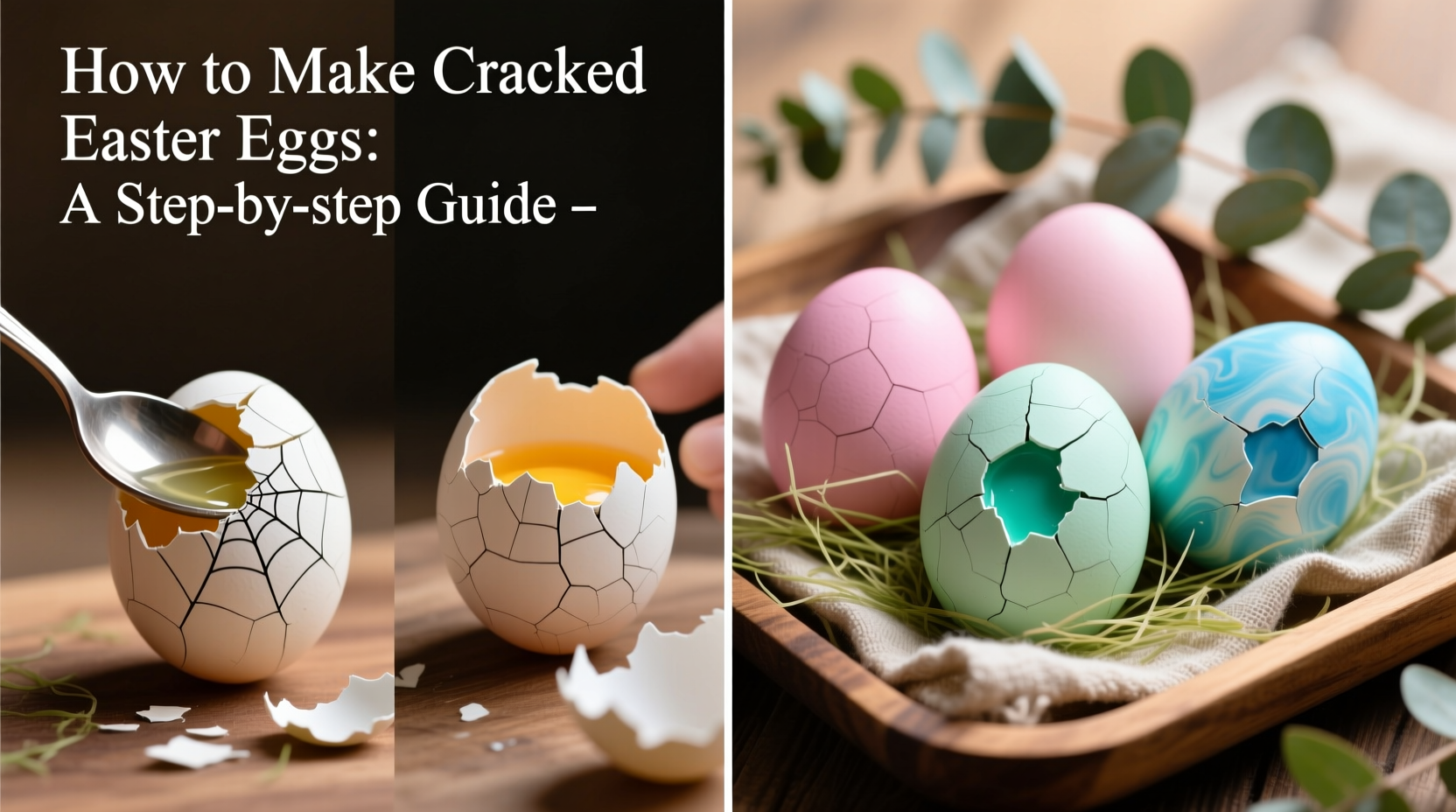
If you're looking for a unique and artistic way to celebrate the holiday, learning how to make cracked Easter eggs is a rewarding and visually striking craft idea. This technique involves carefully cracking the eggshell in a controlled pattern while preserving the inner membrane, resulting in a delicate, lace-like appearance once dyed or painted. Often used in Eastern European traditions, especially Ukrainian and Polish folk art, cracked Easter eggs—also known as 'crackled' or 'krashanky with crackle effects'—add a rustic, textured beauty to your Easter decorations. Whether you're crafting with family or creating centerpieces, mastering how to make cracked Easter eggs opens up a world of traditional and modern design possibilities.
Understanding Cracked Easter Eggs: Origins and Cultural Significance
Cracked Easter eggs are part of a broader tradition of decorated Easter eggs that spans centuries and continents. While most people associate Easter eggs with smooth, brightly colored shells, the cracked or 'spiderweb' effect has deep roots in Slavic pagan and Christian customs. In countries like Ukraine, Poland, and Lithuania, eggs were not only symbols of rebirth but also protective talismans. The process of making cracked Easter eggs was believed to imbue them with spiritual power—the cracks symbolizing the breaking of evil or the emergence of new life.
The technique evolved from simple krashanky (single-color dyed eggs) into more complex designs using wax-resist (pysanky) and shell manipulation. Cracking the shell before or during dyeing creates fine lines that absorb color differently, producing an organic, web-like pattern. Unlike blown-out eggs used in pysanky, cracked Easter eggs often use hard-boiled eggs, making them safer for households with children and easier to handle.
Materials Needed to Make Cracked Easter Eggs
To successfully create cracked Easter eggs at home, gather the following supplies:
- Raw or hard-boiled eggs – Hard-boiled are recommended for safety and stability.
- Easter egg dye kits or natural dyes (beet juice, turmeric, onion skins).
- Small hammer, spoon, or butter knife – For gently tapping the shell.
- Soft cloth or paper towel – To cushion the egg during cracking.
- White vinegar – Helps set the dye and enhances color absorption.
- Baking soda (optional) – Can be added to dye for brighter results.
- Gloves – To keep hands clean when handling dyes.
- Water bath or bowl – For soaking eggs during the dyeing process.
For a more authentic experience, consider using beeswax and a kistka tool to draw designs before cracking—this allows selective areas to remain uncracked and retain solid color.
Step-by-Step Guide: How to Make Cracked Easter Eggs
Follow these steps to achieve beautiful, evenly cracked Easter eggs:
- Boil the eggs. Place eggs in a single layer in a pot, cover with cold water, bring to a boil, then reduce heat and simmer for 10–12 minutes. Cool completely before handling.
- Tap the shell gently. Wrap the egg in a soft cloth and use the back of a spoon or a butter knife to lightly tap the surface. Rotate the egg as you tap to create an all-over network of fine cracks. Avoid pressing too hard—only the shell should crack, not the inner membrane.
- Prepare the dye bath. Mix commercial dye according to package instructions, or prepare natural dyes by boiling ingredients like red cabbage (blue), onion skins (gold), or spinach (green). Add 1 tablespoon of vinegar per cup of water to help the color adhere.
- Soak the cracked eggs. Submerge the tapped eggs in the dye bath. The cracks will absorb the dye, creating dark veins across the shell. Leave for 15 minutes to several hours depending on desired intensity.
- Remove and dry. Carefully take the eggs out, pat dry with a paper towel, and let air-dry on a rack. The contrast between the base shell color and the dyed cracks will become more pronounced as they dry.
- Seal (optional). To preserve the finish, lightly coat with food-grade mineral oil or a clear sealant spray if displaying long-term.
This method of how to make cracked Easter eggs produces a rustic, earthy look perfect for spring tables, nature-themed crafts, or educational cultural projects.
Variations and Creative Enhancements
Once you've mastered the basic technique, experiment with these creative twists:
- Layered Dyeing: Dip cracked eggs in one color, let dry, then dip in a second contrasting color for depth.
- Wax Resist Designs: Draw patterns with melted beeswax before cracking. The waxed areas resist dye, creating crisp outlines around the crackled zones.
- Natural Materials: Wrap eggs in leaves, herbs, or fabric scraps before cracking and dyeing to imprint organic textures.
- Glow-in-the-Dark Eggs: Use fluorescent dyes under black light for a fun party effect (ensure dyes are non-toxic).
- Edible Finish: If using natural dyes and food-safe methods, cracked eggs can be eaten after peeling—though the appearance may be less intact.
Safety Tips When Making Cracked Easter Eggs
While crafting with eggs is generally safe, follow these precautions:
- Use hard-boiled eggs only if children are involved or eggs will be handled frequently.
- Refrigerate eggs if not dyeing immediately after boiling; do not leave at room temperature for more than two hours.
- Avoid reusing dye baths that have held raw eggs to prevent bacterial contamination.
- Wash hands thoroughly after handling eggs and dyes.
- Discard eggs if the inner membrane breaks during cracking, as bacteria can enter.
Displaying and Preserving Your Cracked Easter Eggs
Cracked Easter eggs are fragile due to the fractured shell. To display them safely:
- Place in egg cartons, decorative nests, or acrylic stands.
- Store in a cool, dry place away from direct sunlight to prevent fading.
- For long-term preservation, consider blowing out the contents first. To do this, pierce both ends of a raw egg, blow out the yolk and white, rinse, then proceed with cracking and dyeing.
- Label handmade eggs if giving as gifts, noting whether they are edible or decorative only.
Regional Traditions Involving Cracked or Textured Eggs
The practice of making cracked Easter eggs is most prominent in Central and Eastern Europe. In Ukraine, similar effects are achieved through "mokrytka" techniques, where eggs are dipped in hot wax before dyeing, causing the wax to contract and crack, transferring the pattern to the dye. In Poland, some regional customs involve wrapping eggs in onion skins and string before boiling, which naturally creates a speckled, cracked appearance.
In Greece and other Orthodox Christian communities, red-dyed eggs are common, and while not typically cracked, they are sometimes tapped together during the Pascha greeting ('Christ is Risen'), symbolizing the breaking of the tomb. This ritualistic cracking echoes the aesthetic of crafted cracked eggs, linking symbolism with celebration.
Troubleshooting Common Issues
Even experienced crafters encounter challenges when trying to make cracked Easter eggs. Here are solutions to frequent problems:
| Issue | Possible Cause | Solution |
|---|---|---|
| Egg white leaks out | Membrane punctured during cracking | Use softer tapping motion; wrap egg in cloth |
| No visible cracks after dyeing | Insufficient cracking or short dye time | Tap more firmly (but not through membrane); extend soak time |
| Uneven color | Dye concentration inconsistent | Stir dye well; rotate eggs periodically |
| Shell falls apart | Over-tapping or old eggs | Use fresh eggs; apply gentle, even pressure |
| Faint crack lines | Low-contrast dye or pale shell | Use darker dye (e.g., black tea, beet-vinegar mix); start with white eggs |
Why Choose Cracked Easter Eggs Over Traditional Ones?
While classic solid-color or patterned Easter eggs remain popular, cracked Easter eggs offer distinct advantages:
- Unique texture and visual interest – The spiderweb effect adds dimension.
- Cultural authenticity – Connects to ancient European symbolism.
- Beginner-friendly – Easier than wax-resist pysanky, yet yields professional-looking results.
- Eco-friendly options – Natural dyes and reusable materials reduce waste.
- Great for storytelling – Ideal for teaching children about renewal, resilience, and artistry.
FAQs About Making Cracked Easter Eggs
- Can I eat cracked Easter eggs after dyeing them?
- Yes, if made with hard-boiled eggs and food-safe dyes. However, if the inner membrane was compromised during cracking, discard the egg to avoid contamination.
- Do I need special dyes to make cracked Easter eggs?
- No. Standard Easter egg dyes work well. For richer crack effects, try natural dyes like black tea, coffee, or onion skins, which penetrate cracks deeply.
- How far in advance can I make cracked Easter eggs?
- Hard-boiled cracked eggs can be refrigerated for up to one week. For longer display, use blown-out eggs and store in a dry area.
- Can kids participate in making cracked Easter eggs?
- Yes, with supervision. Use plastic gloves, non-toxic dyes, and pre-boiled eggs. Let adults handle the cracking step if needed.
- Are there vegan alternatives to real eggs for this craft?
- Yes. Craft stores sell plastic egg shells that can be scored and painted to mimic the cracked effect, offering a reusable, mess-free option.
In conclusion, knowing how to make cracked Easter eggs enriches your holiday celebrations with artistry and tradition. From selecting the right materials to mastering the delicate tap-and-dye process, this craft blends science, culture, and creativity. Whether you're honoring heritage, teaching children, or simply enjoying seasonal DIY projects, cracked Easter eggs provide a meaningful and beautiful addition to your Easter rituals. With patience and practice, anyone can master this timeless technique and create stunning pieces that capture the spirit of renewal and joy central to the season.




 浙公网安备
33010002000092号
浙公网安备
33010002000092号 浙B2-20120091-4