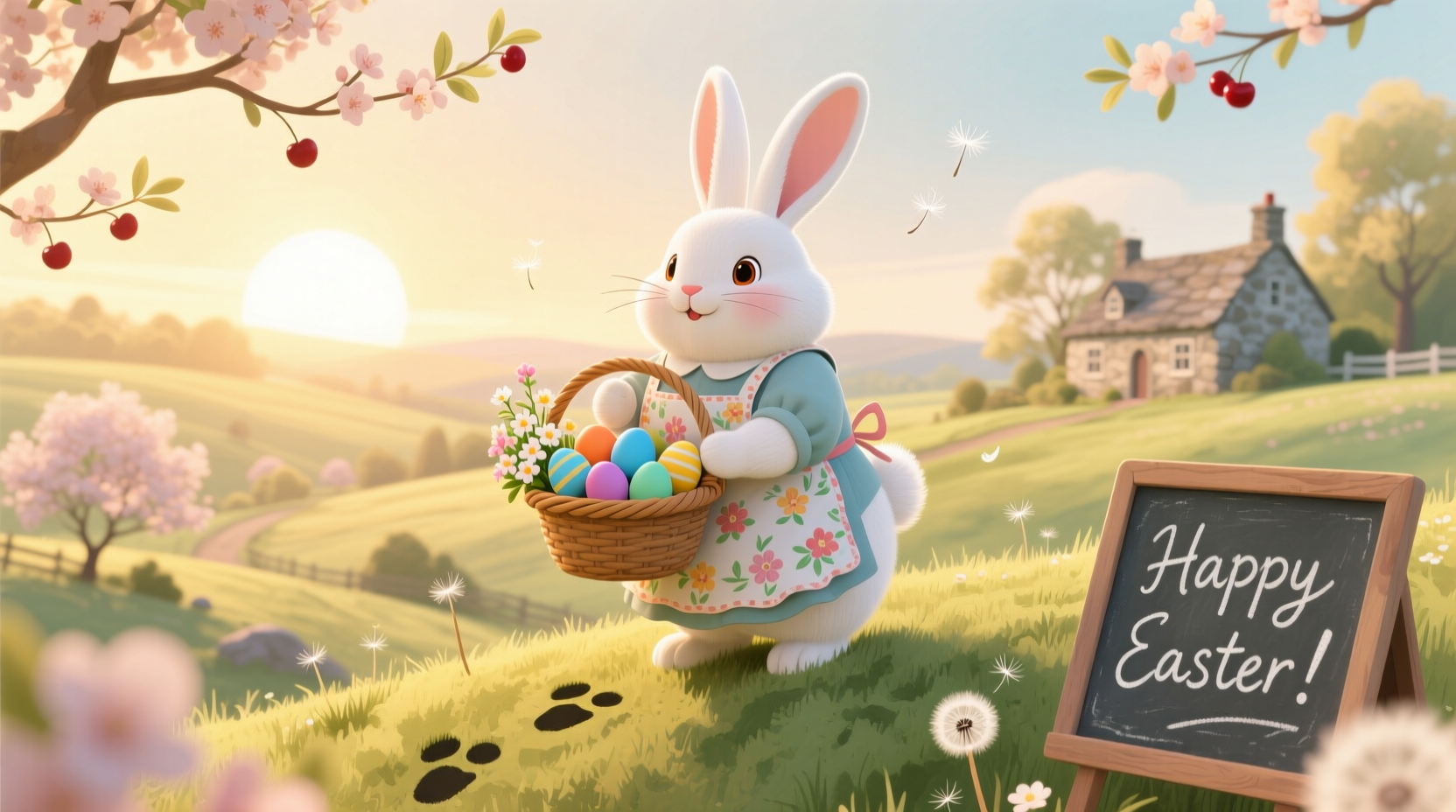
The Easter bunny is a symbol of Easter because it represents fertility, new life, and springtime renewal—key themes of the holiday. Rooted in ancient pagan traditions and later blended with Christian customs, the tradition of the Easter bunny delivering eggs has evolved into a beloved global phenomenon. This connection between rabbits, eggs, and rebirth dates back centuries, making phrases like 'why is the Easter bunny associated with Easter' or 'origin of the Easter bunny and eggs' common in cultural discussions about the holiday’s symbolism.
Historical Origins of the Easter Bunny
The origins of the Easter bunny can be traced to pre-Christian, Germanic traditions centered around the arrival of spring. The festival of Ostara, named after the Germanic goddess of dawn and fertility, celebrated the vernal equinox and the renewal of life after winter. Rabbits, known for their high reproduction rates, were natural symbols of fertility and abundance. Over time, these symbols were absorbed into the Christian celebration of Easter, which also emphasizes renewal—this time spiritual renewal through the resurrection of Jesus Christ.
German immigrants brought the legend of the Osterhase (Easter Hare) to America in the 1700s, particularly in Pennsylvania Dutch communities. The Osterhase was said to lay colorful eggs in nests prepared by children, who would leave out hats or bonnets filled with straw or grass. This practice eventually evolved into the modern custom of the Easter bunny hiding baskets filled with candy, toys, and decorated eggs.
Symbolism of Rabbits and Eggs in Spring Festivals
Rabbits and eggs are both powerful symbols of fertility and new beginnings. In many ancient cultures, the egg represented the emergence of life from a dormant state, much like seeds sprouting in spring. Similarly, rabbits reproduce quickly and are often seen as emblems of vitality and growth. When early European Christians began incorporating local traditions into their religious observances, these symbols were adapted to reflect the resurrection and new life central to Easter theology.
This blending of pagan and Christian elements is not unique to the Easter bunny. Many holidays, including Christmas and Halloween, incorporate pre-existing seasonal customs. The key difference with Easter is that its date changes annually based on the lunar calendar, aligning it more closely with natural cycles—further reinforcing its ties to springtime rituals.
How the Easter Bunny Became a Global Tradition
From its humble beginnings in Germany, the Easter bunny gained popularity throughout Europe and North America during the 19th and 20th centuries. With the rise of commercialization and mass media, the image of the Easter bunny became standardized—a friendly, anthropomorphic rabbit wearing a bowtie or dress, delivering baskets and leading parades.
Today, countries such as the United States, Canada, Australia, and the UK celebrate the Easter bunny with egg hunts, themed decorations, and family events. In some regions, local variations exist: in Switzerland, the Easter Cuckoo (a bird) sometimes replaces the bunny, while in parts of Germany, the Easter Fox or Easter Rooster may appear instead.
| Country | Easter Symbol | Unique Tradition |
|---|---|---|
| United States | Easter Bunny | White House Easter Egg Roll |
| Australia | Easter Bilby (conservation-focused) | Promotes native wildlife awareness |
| Germany | Osterhase / Easter Fox | Egg trees (Ostereierbaum) |
| Sweden | Easter Witches | Children dress as witches, go door-to-door |
| France | Bells fly to Rome | No church bells ring until Easter Sunday |
Commercialization and Modern Interpretations
The Easter bunny has become one of the most recognizable icons of the holiday season, second only to Santa Claus in terms of character-driven consumer appeal. Major retailers use the Easter bunny in advertising campaigns, selling everything from chocolate bunnies to plush toys. According to market research, Americans spend over $2 billion annually on Easter candy alone, with chocolate bunnies being among the top sellers.
However, this commercialization has sparked debate. Some critics argue that the focus on the Easter bunny distracts from the religious meaning of Easter. Others embrace it as a secular way to engage children in festive activities regardless of faith background. For many families, the Easter bunny serves as a fun, imaginative figure that enhances the joy of the season without replacing its deeper significance.
Cultural Adaptations and Alternatives to the Easter Bunny
Not all cultures accept the Easter bunny as the primary symbol of the holiday. In Australia, conservationists have promoted the Easter Bilby as an alternative. The bilby, a nocturnal marsupial native to Australia, faces threats from habitat loss and invasive species. By replacing the bunny with the bilby in books, chocolates, and campaigns, Australians raise awareness about endangered wildlife while maintaining holiday cheer.
Similarly, in Scandinavian countries like Sweden and Finland, children dress up as Easter witches, drawing from old folk beliefs that witches flew to Blåkulla (a mythical island) on Maundy Thursday. They go door-to-door exchanging drawings or small crafts for candy—similar to Halloween trick-or-treating. These traditions show how the core idea of a gift-bringing figure can take diverse forms depending on regional folklore.
Religious Perspectives on the Easter Bunny
While the Easter bunny is widely accepted in popular culture, some religious groups question its place in a Christian holiday. Critics point out that there is no biblical reference to a rabbit bringing eggs, and they worry that secular symbols overshadow the resurrection narrative. However, many theologians and educators view the Easter bunny as a metaphorical tool rather than a contradiction.
Just as nativity scenes and Christmas trees have symbolic value beyond literal scripture, the Easter bunny can serve as a bridge to teach children about hope, renewal, and generosity. Parents and religious leaders often use the story of the Easter bunny as a starting point to discuss the true meaning of Easter, balancing fun with faith-based reflection.
How to Talk to Kids About the Easter Bunny and Easter's True Meaning
For parents navigating both the myth and the message of Easter, here are practical tips:
- Be honest but age-appropriate: Explain that the Easter bunny is a fun tradition, like Santa Claus, but that Easter itself celebrates Jesus rising from the dead.
- Use storytelling: Read children’s books that combine both aspects, such as those showing families attending church and then going on an egg hunt.
- Create meaningful rituals: Bake bread to represent the body of Christ, plant seeds to symbolize new life, or make cards for neighbors to share kindness.
- Visit churches or community events: Many offer Easter egg hunts after services, blending celebration with worship.
Common Misconceptions About the Easter Bunny
Several myths persist about the Easter bunny’s history and role:
- Myth: The Easter bunny is a Christian invention.
Truth: It originated in pagan spring festivals and was later adopted into Easter customs. - Myth: All Christians celebrate the Easter bunny.
Truth: Many denominations do not emphasize or recognize the bunny at all. - Myth: The Easter bunny brings real eggs.
Truth: Historically, children expected colored or painted eggs; today, most gifts are candy or plastic eggs. - Myth: The Easter bunny is always a rabbit.
Truth: In some cultures, other animals like foxes, hares, or birds play the same role.
How to Verify Local Easter Traditions and Events
If you're planning to participate in Easter festivities, it's important to check local sources for accurate information. Retailers, schools, and municipalities often host events like egg hunts, parades, or craft fairs. To stay informed:
- Visit official city or tourism websites.
- Check social media pages of local churches or community centers.
- Call libraries or recreation departments for event schedules.
- Review store hours, as many businesses operate on reduced schedules during the long weekend.
Remember, Easter falls on a different date each year—always the first Sunday after the first full moon following the vernal equinox. In 2025, Easter will be on April 20; in 2026, it will fall on April 5. Planning ahead ensures you don’t miss out on family-friendly activities tied to 'why the Easter bunny matters' in your area.
Frequently Asked Questions
Why do we associate rabbits with Easter?
Rabbits are linked to Easter because they symbolize fertility and new life, reflecting the theme of springtime renewal. This association predates Christianity and was later integrated into Easter traditions.
Is the Easter bunny mentioned in the Bible?
No, the Easter bunny is not mentioned in the Bible. It comes from Germanic folklore and became part of Easter celebrations through cultural evolution, not religious doctrine.
When did the Easter bunny tradition start?
The tradition began in Germany during the 1700s with the Osterhase. German immigrants introduced it to America, where it gradually spread nationwide.
Are there alternatives to the Easter bunny?
Yes. In Australia, the Easter Bilby promotes environmental awareness. In Sweden, children celebrate Easter witches. Other regions feature birds, foxes, or bells as symbolic figures.
How can I balance fun and faith during Easter?
You can enjoy the Easter bunny as a lighthearted tradition while also teaching children about the religious significance of Easter through church attendance, storytelling, and symbolic activities like planting seeds or sharing meals.




 浙公网安备
33010002000092号
 浙B2-20120091-4