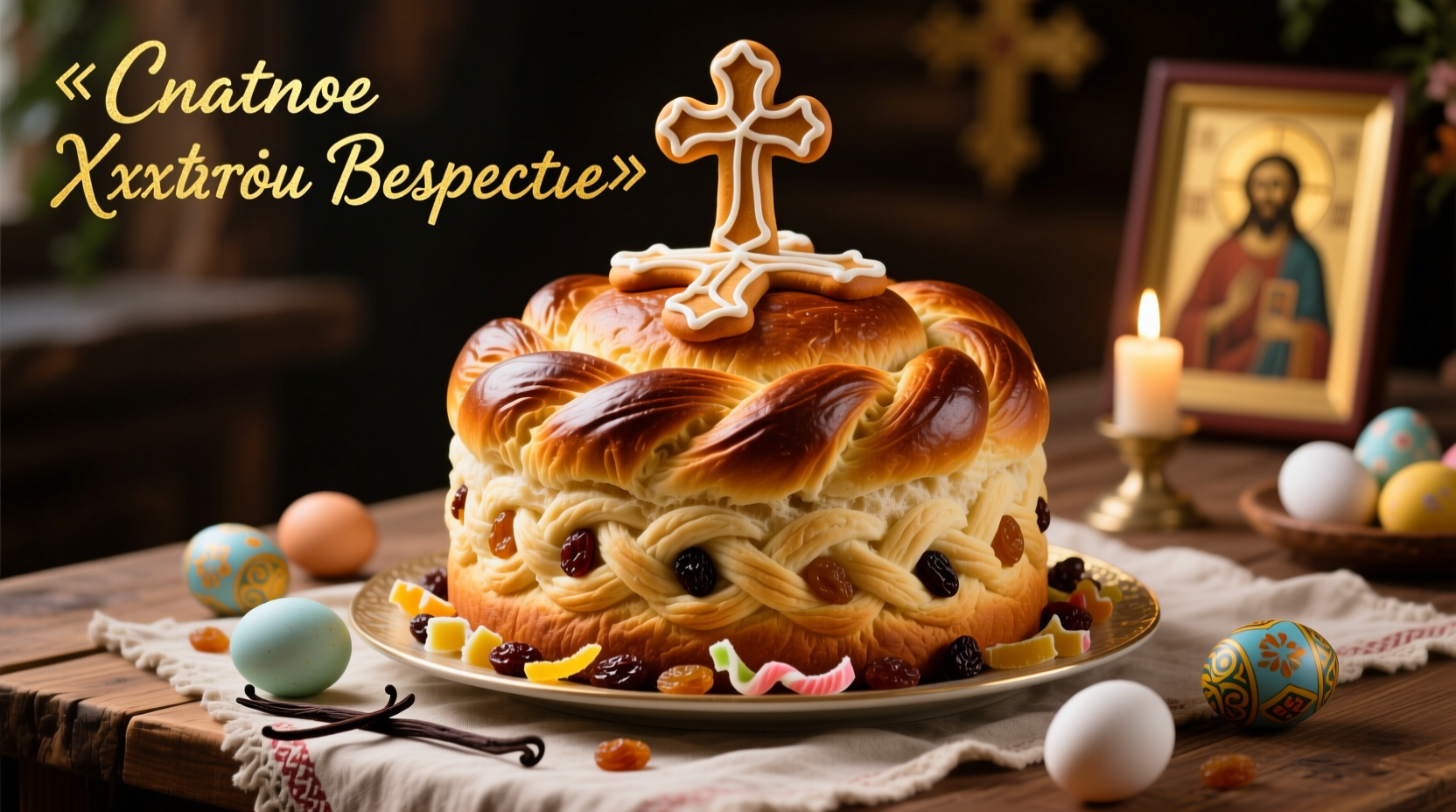
Easter bread is a traditional baked good deeply rooted in Christian customs and celebrated around the world during the Easter season. What is Easter bread? It is a symbolic loaf often enriched with eggs, butter, and sugar, representing resurrection, new life, and the end of Lenten fasting. Varieties like Italian *pane di Pasqua*, Greek *tsoureki*, and Polish *babka* reflect regional interpretations of this festive staple. These rich, sweet breads are more than just food—they carry centuries of religious meaning, cultural identity, and family tradition.
Origins and Religious Symbolism of Easter Bread
The practice of baking special breads for Easter dates back to early Christianity. As Lent—a 40-day period of penance and abstinence—came to a close, believers welcomed the joyous celebration of Christ’s resurrection with foods previously forbidden, such as eggs, dairy, and sugar. The creation of Easter bread symbolized both spiritual renewal and physical nourishment after weeks of restraint.
In many cultures, specific ingredients carry deep meaning. Eggs, commonly woven into the dough or placed on top, represent new life and the empty tomb. Braided shapes, seen in Greek *tsoureki* or Armenian *choereg*, echo the Holy Trinity or the crown of thorns. Some loaves feature a red-dyed egg nestled in the center, symbolizing the blood of Christ. Others incorporate citrus zest, spices like mahlab or mastic, or even whole cloves to enhance flavor and spiritual significance.
The act of baking itself was historically communal. Families would prepare Easter bread together days before the holiday, often bringing the loaves to church for blessing on Holy Saturday. This ritual reinforced community bonds and sanctified the meal to come.
Regional Varieties of Easter Bread Around the World
While the core idea of a celebratory Easter loaf is widespread, each country has developed its own unique version, reflecting local tastes, ingredients, and religious practices. Below is a detailed overview of some of the most notable types:
| Country/Region | Name of Bread | Key Ingredients | Distinctive Features |
|---|---|---|---|
| Greece, Cyprus | Tsoureki | Flour, eggs, sugar, butter, orange zest, mahlab, mastic | Braided loaf with red egg in center; often made for Easter Sunday |
| Italy | Pane di Pasqua | Flour, eggs, sugar, butter, candied fruit, sometimes cheese | Tall, cylindrical shape; may include ricotta or citrus peel |
| Poland | Babka | Flour, yeast, eggs, butter, sugar, raisins | Tall, fluted loaf; often twisted or braided |
| Russia, Ukraine | Kulich | Flour, eggs, sugar, butter, raisins, candied fruit | Cylindrical, tall loaf; topped with white icing and colored sprinkles |
| Romania | Pască | Cheese (urdă), eggs, sour cream, vanilla, lemon zest | Sweet cheese-filled cake-bread hybrid; baked in round molds |
| Spain (Catalonia) | Mona de Pascua | Enriched dough, hard-boiled eggs | Sweet bread decorated with dyed eggs; traditionally given to children |
| Sweden | Påskbullar | Flour, milk, butter, saffron, cardamom, almonds | Small buns shaped like lambs; spiced with saffron for golden color |
Greek Tsoureki: A Fragrant Celebration
Greek *tsoureki* stands out for its aromatic blend of mahlab (ground cherry pits) and mastic (tree resin), which give it a distinctive floral and slightly pine-like flavor. Traditionally braided with three strands—symbolizing the Holy Trinity—it is often baked with one or more red-dyed eggs pressed into the top. The bread is typically served on Easter Sunday alongside roasted lamb and magiritsa (a soup made from lamb offal).
Italian Pane di Pasqua: From Sweet to Savory
In central and southern Italy, *pane di Pasqua* varies significantly by region. In Rome, it may be a tall, dome-shaped sweet bread studded with candied fruit. In other areas, especially among rural communities, savory versions include pecorino cheese or even sausage. Some families still follow the tradition of having the bread blessed in church before consumption.
Eastern European Kulich and Paska: Towers of Faith
In Russia and Ukraine, *kulich* is a towering cylindrical loaf baked in tall paper molds—often repurposed coffee cans. After baking, it is iced with a sweet glaze and decorated with religious symbols or the letters XB (Христос Воскресе – Christ is Risen). Beside it, *paska* (not to be confused with Romanian *pască*) refers to a rich, dome-shaped cheesecake-style bread made with farmer’s cheese, butter, and raisins, often elaborately decorated with crosses and floral patterns in icing.
Polish Babka: More Than a Cake
Though now popularized in Jewish-American bakeries as a type of bundt cake, Polish *babka* originally referred to a tall, yeasted Easter bread. Lightly sweetened and sometimes filled with raisins or cinnamon, it was baked in fluted molds passed down through generations. The name means “grandmother,” possibly indicating its status as a cherished family recipe.
How Easter Bread Is Prepared and Shared
Preparing Easter bread is often a multi-day process involving proofing, kneading, and careful attention to temperature and timing. Most recipes begin with a sponge or starter to develop flavor and texture. The dough is then enriched with eggs, butter, and sugar—ingredients that were historically reserved for feast days.
Baking typically occurs on Holy Saturday so the bread is fresh for Easter Sunday meals. In many Eastern Orthodox traditions, families bring their loaves to church to be blessed by a priest. Once returned home, the bread is shared during the festive meal, often served with cheese, cold cuts, and hard-boiled eggs.
Some households preserve a piece of the loaf, believing it protects against illness or fire throughout the year. Others feed crumbs to birds on Easter morning as a sign of renewal and charity.
Differences Between Catholic, Protestant, and Orthodox Traditions
While Easter bread appears across Christian denominations, there are subtle differences in preparation and symbolism based on liturgical calendars and theological emphases.
- Catholic and Protestant Communities: In Western Christianity, Easter bread tends to be simpler, though still enriched. In countries like France and Germany, sweet brioche-style loaves or lamb-shaped cakes are common. The focus is often on joy and resurrection rather than strict ritual.
- Eastern Orthodox Communities: Because Orthodox churches follow the Julian calendar, Easter often falls later than in the West. Their breads—like *tsoureki* and *kulich*—are more elaborate and integral to religious rites. Blessing ceremonies are formal, and breaking the bread is part of the Paschal greeting: "Christ is Risen!" "Indeed, He is Risen!"
These variations highlight how culture and doctrine shape culinary traditions, even when celebrating the same event.
Modern Adaptations and Baking at Home
Today, Easter bread remains popular not only among religious communities but also among home bakers interested in heritage recipes and artisan baking. Many modern adaptations cater to dietary restrictions:
- Gluten-free versions: Use almond flour, rice flour, or commercial gluten-free blends.
- Vegan alternatives: Replace eggs with flaxseed gel and use plant-based butter and milk.
- Lower-sugar options: Reduce sugar content while maintaining moisture with applesauce or yogurt substitutes.
For best results, bakers should allow ample time for rising, use high-quality ingredients, and consider using a kitchen thermometer to ensure proper dough temperature. Proofing in a warm, draft-free area helps achieve the soft, airy crumb characteristic of authentic Easter bread.
Common Misconceptions About Easter Bread
Despite its popularity, several misconceptions persist:
- Misconception: Easter bread is just another name for hot cross buns.
Reality: While both are associated with Easter, hot cross buns are spiced, marked with a cross, and typically eaten on Good Friday. Easter breads are larger, richer, and consumed on Easter Sunday. - Misconception: All Easter breads are sweet.
Reality: Some versions, particularly in Italy and the Balkans, include cheese or meat fillings and are more savory. - Misconception: Easter bread is only eaten on Easter Sunday.
Reality: Leftovers are often enjoyed throughout Bright Week (the week after Easter) in Orthodox traditions.
Where to Find Authentic Easter Bread
For those who don’t bake, authentic Easter bread can be found in ethnic bakeries, Orthodox churches, and specialty grocery stores during the Easter season. Greek, Russian, Polish, and Italian markets often stock fresh *tsoureki*, *kulich*, or *babka*. Online retailers also offer frozen or ready-to-bake versions shipped nationwide.
To ensure authenticity, look for breads made with natural ingredients and traditional methods. Avoid mass-produced versions that rely on artificial flavors or preservatives. If possible, ask about the origin of the recipe or whether the bread has been blessed.
Frequently Asked Questions
What is the significance of the red egg on Easter bread?
The red-dyed egg symbolizes the blood of Christ and the promise of eternal life. Placed on or within the bread, it also represents the sealed tomb and resurrection.
Can Easter bread be frozen?
Yes, Easter bread freezes well. Wrap tightly in plastic and foil, then store for up to 3 months. Thaw at room temperature and refresh in a warm oven before serving.
Is Easter bread the same as challah?
While similar in appearance—especially braided versions—challah is a Jewish Sabbath bread without religious ties to Easter. However, some Easter breads, like *tsoureki*, evolved from or were influenced by challah.
How long does homemade Easter bread last?
Stored in an airtight container at room temperature, it lasts 3–5 days. Due to its richness, refrigeration is not recommended as it can dry out the crumb.
Are there non-religious versions of Easter bread?
Yes, many people enjoy Easter bread as a cultural or seasonal treat regardless of faith. Secular bakers often make it simply as a springtime delicacy featuring bright flavors like citrus and spices.





 浙公网安备
33010002000092号
浙公网安备
33010002000092号 浙B2-20120091-4