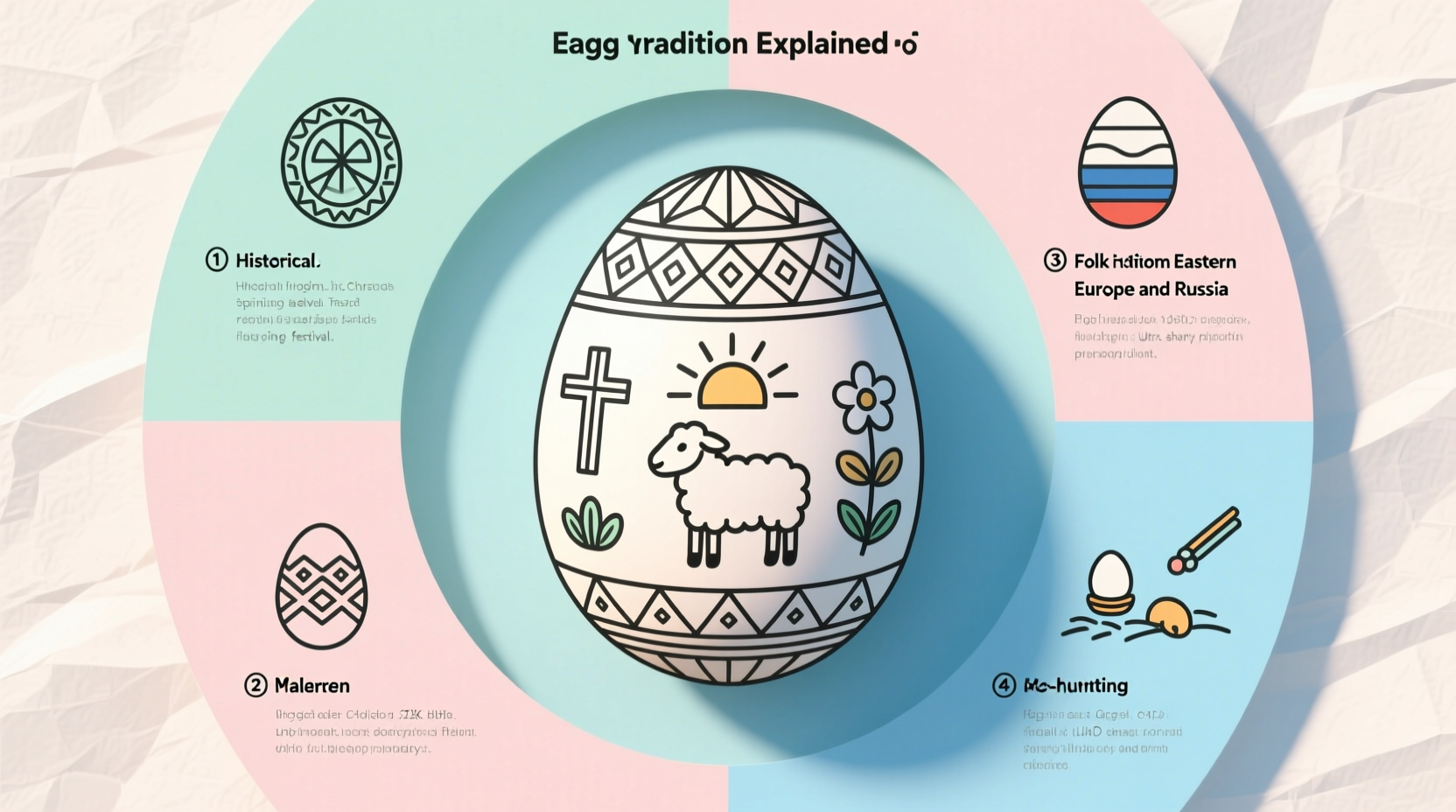
The term what does Easter egg mean refers to the symbolic importance of decorated eggs in Easter traditions, representing new life, resurrection, and renewal. As a central element of Easter festivities, the Easter egg carries deep historical and religious meaning, especially within Christianity, where it symbolizes Jesus Christ’s emergence from the tomb and the promise of eternal life. This ancient tradition has evolved over centuries, blending pagan spring customs with Christian theology, and today remains a key part of Easter celebrations across many cultures. Understanding the meaning behind Easter eggs helps illuminate both their spiritual significance and their role in family activities like egg hunts and decorations.
Origins of the Easter Egg: Pagan Roots and Christian Adoption
The practice of using eggs as symbols predates Christianity by thousands of years. In ancient cultures, eggs were universally recognized as emblems of fertility, rebirth, and the arrival of spring. Civilizations such as the Persians, Egyptians, and Romans exchanged decorated eggs during spring equinox festivals to celebrate the earth's renewal after winter.
Early Christians in Mesopotamia adopted this powerful symbol and reinterpreted it through a theological lens. They began coloring eggs red to represent the blood of Christ shed on the cross, linking the hard shell to the sealed tomb and the hatching chick to His resurrection. By the Middle Ages, this custom had spread throughout Europe, particularly in Eastern Orthodox communities, where the tradition of blessing eggs in church became widespread.
The merging of pre-Christian spring rituals with Christian doctrine allowed the Easter egg to become a bridge between old and new beliefs. While some religious leaders initially opposed the blending of pagan symbols with sacred holidays, the egg’s strong visual metaphor for resurrection made it too meaningful to discard. Over time, the Easter egg was fully integrated into Christian liturgy and popular devotion.
Easter Eggs in Christian Theology: A Symbol of Resurrection
In Christian interpretation, the Easter egg is more than just a festive decoration—it is a profound allegory for the core message of Easter. The eggshell represents the sealed tomb of Christ; cracking it open mirrors His resurrection on the third day. Just as new life emerges from within the egg, so too did Jesus rise from death to bring eternal life to believers.
This symbolism is especially emphasized in Orthodox Christianity. In countries like Greece, Ukraine, and Russia, red-dyed eggs are blessed on Holy Saturday and shared among families at Easter meals. The act of tapping eggs together—called 'egg knocking'—symbolizes the breaking of the tomb and is often accompanied by the greeting 'Christ is risen!'
Catholic and Protestant traditions also embrace the egg as a symbol of hope and spiritual renewal. Many churches incorporate egg-decorating activities into their Easter programs for children, using the process to teach biblical stories about the empty tomb and the joy of resurrection morning.
Cultural Variations in Easter Egg Traditions Around the World
While the basic symbolism of the Easter egg remains consistent, how people celebrate varies significantly by region. These cultural differences reflect local histories, religious practices, and folk traditions.
| Country | Tradition | Unique Feature |
|---|---|---|
| Ukraine | Pysanky (wax-resist decorated eggs) | Intricate designs with symbolic colors and patterns passed down generations |
| Germany | Easter tree (Osterbaum) with hanging eggs | Decorated branches displayed indoors or in gardens |
| United Kingdom | Egg rolling competitions | Royal events held at locations like Aintree Estate |
| United States | Easter egg hunts and baskets | Children search for candy-filled plastic eggs in parks and backyards |
| Australia | Eco-friendly painted eggs | Emphasis on natural dyes and outdoor family gatherings |
These diverse expressions show how the question what does Easter egg mean can yield different answers depending on cultural context. For some, it's an artistic heritage; for others, a playful community event or a deeply spiritual ritual.
Modern Interpretations: From Chocolate Eggs to Virtual Hunts
In contemporary society, the Easter egg has taken on new forms beyond real chicken eggs. Perhaps the most widespread modern adaptation is the chocolate Easter egg, first produced in the early 19th century by confectioners in France and Germany. Today, companies like Cadbury, Lindt, and Godiva create elaborately wrapped and flavored versions that dominate supermarket shelves each spring.
Plastic eggs filled with candy or small toys have also become staples of Easter egg hunts, especially in Western countries. These reusable eggs make large-scale events easier to organize and clean up, allowing schools, churches, and municipalities to host inclusive celebrations.
More recently, digital interpretations have emerged. Some tech companies hide 'Easter eggs'—secret features or jokes—in software and video games, playing on the idea of hidden surprises. Even streaming platforms sometimes release themed content with virtual egg hunts, showing how the concept continues to evolve in pop culture.
How to Explain the Meaning of Easter Eggs to Children
Parents and educators often face the challenge of explaining what does Easter egg mean in ways that are age-appropriate and meaningful. Here are several effective strategies:
- Use simple analogies: Compare the egg to a seed that grows into a plant or a cocoon that becomes a butterfly—both transformations mirror resurrection.
- Tell the story visually: Read picture books that depict the Easter narrative alongside images of eggs and springtime scenes.
- Engage in hands-on activities: Dye eggs together while discussing their symbolism. Use red dye to connect to Christ’s sacrifice.
- Create a Resurrection Garden: Combine a small potted garden with a decorated egg placed in a cave-like structure to illustrate the empty tomb.
- Differentiate symbols: Clarify that while the Easter bunny brings fun and treats, the egg holds deeper spiritual meaning.
By integrating faith-based explanations with creative play, adults can help children appreciate both the joy and significance of Easter traditions.
Common Misconceptions About Easter Eggs
Despite their popularity, several misconceptions surround Easter eggs:
- Easter eggs are purely commercial: While marketing plays a big role today, the tradition has authentic religious and historical roots.
- All Easter eggs are eaten: Most modern plastic or chocolate eggs are not meant for consumption in the same way as traditional dyed eggs.
- The Easter bunny lays the eggs: This myth, though common in cartoons, contradicts biological reality and confuses younger children. It's important to clarify that rabbits don’t lay eggs!
- Eggs were always part of Christianity: Though now deeply embedded, they were incorporated gradually and weren't originally part of early Christian worship.
Addressing these misunderstandings helps preserve the integrity of the tradition and ensures that future generations understand what the Easter egg truly means.
How to Incorporate Meaningful Easter Egg Traditions at Home
Families looking to deepen their Easter experience can adopt practices that emphasize the symbolic value of eggs:
- Bless your eggs: Pray over them before decorating or eating, acknowledging their spiritual significance.
- Use natural dyes: Boil eggs with onion skins (brown), spinach (green), or beets (pink) to link the process to nature and simplicity.
- Write Bible verses on eggs: Use food-safe markers to inscribe short passages like 'He is Risen!' or John 11:25.
- Host a Scripture Egg Hunt: Hide eggs with numbered notes that tell parts of the resurrection story. Once found, read them in order.
- Support ethical brands: When buying chocolate eggs, choose fair-trade or locally made options to align celebration with values.
These actions transform a fun activity into a spiritually enriching experience, answering the deeper question of what does Easter egg mean in daily life.
Conclusion: Why the Easter Egg Still Matters
The enduring presence of the Easter egg in global celebrations underscores its powerful symbolism. Whether viewed through a religious, cultural, or familial lens, the egg continues to represent hope, transformation, and new beginnings. Answering what does Easter egg mean requires recognizing its layered history—from ancient fertility symbols to Christian icons of resurrection—and appreciating its ongoing evolution in modern times.
As long as people gather to celebrate spring, honor faith, and share joy with loved ones, the Easter egg will remain a meaningful centerpiece of the season. Its simplicity belies its depth, offering a tangible way to engage with abstract concepts like life after death, divine love, and personal renewal.
Frequently Asked Questions
- Why are Easter eggs associated with resurrection?
- Easter eggs symbolize resurrection because the hard shell represents Christ’s sealed tomb, and the emerging chick illustrates His rising from the dead—just as new life comes from within the egg.
- Are Easter eggs mentioned in the Bible?
- No, Easter eggs are not directly mentioned in the Bible. Their use developed later as a symbolic tradition within Christian practice to illustrate resurrection themes.
- What do different egg colors mean during Easter?
- Red symbolizes Christ’s blood, white stands for purity and light, green represents new growth, and gold signifies glory and victory over death.
- Can non-Christians participate in Easter egg traditions?
- Yes, many non-religious or secular families enjoy egg hunts and decorations as part of spring festivities, focusing on renewal and family bonding rather than religious doctrine.
- How can I make Easter eggs more educational for kids?
- You can combine history, science, and faith by teaching children about embryonic development, ancient customs, and the biblical story of Easter while decorating eggs together.





 浙公网安备
33010002000092号
浙公网安备
33010002000092号 浙B2-20120091-4