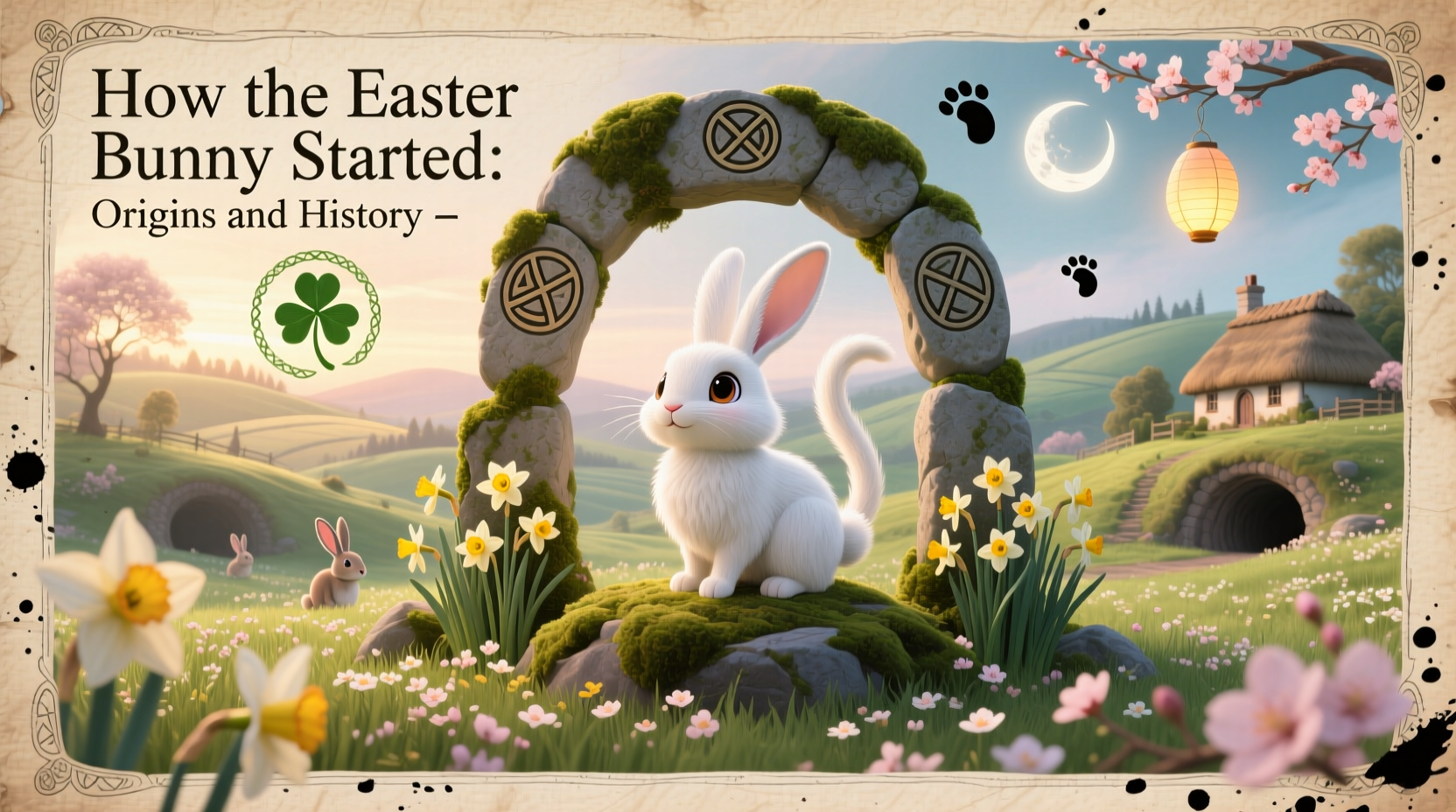
The Easter bunny started as a symbol of fertility and new life in pre-Christian Germanic traditions, later evolving through German folklore and American customs into the beloved icon we recognize today. This long-standing tradition, rooted in springtime celebrations and intertwined with Christian Easter observances, reflects how cultural symbols transform over centuries. The origins of the Easter bunny trace back to the hare’s role in ancient European mythology, particularly among the Anglo-Saxons and Germans, where it was associated with the goddess Eostre—linking the animal to renewal and the vernal equinox. Understanding how the Easter bunny started reveals a fascinating blend of pagan symbolism, immigrant influence, and commercial adaptation that continues to shape Easter celebrations around the world.
Origins in Pagan Spring Festivals
Before Christianity spread across Europe, many cultures celebrated the arrival of spring with festivals honoring rebirth and fertility. Among these were the Germanic peoples who revered a goddess named Eostre (or Ostara), associated with dawn and the season of spring. According to legend recorded by the 8th-century English monk Bede, the festival of Eostre included symbols of fertility, such as hares and eggs. Hares, known for their high reproduction rates, became natural emblems of new life.
While historical evidence about Eostre remains limited and debated among scholars, the connection between hares and springtime rituals is well-documented in folk traditions. In parts of Germany and England, people believed that hares laid eggs during Easter—a myth likely born from poetic imagination rather than biological fact. These early associations laid the foundation for what would eventually become the Easter bunny tradition.
German Folklore and the 'Osterhase'
The most direct ancestor of the modern Easter bunny is the German Osterhase, or “Easter hare.” First mentioned in written records from the 16th century, this mythical creature was said to lay colored eggs in nests prepared by children. Families would create small nests using hats, baskets, or even shoes left out in gardens or bedrooms. If the child had been well-behaved, the Osterhase would reward them with colorful eggs; if not, the nest might be empty or contain only plain ones.
This tradition was especially strong in southwestern Germany, including regions like the Palatinate and Baden-Württemberg. German settlers brought the custom with them when they migrated to Pennsylvania in the 1700s, planting the seeds for the Easter bunny’s popularity in North America. Over time, the hare evolved into a rabbit—perhaps because rabbits were more common in American landscapes—and the practice shifted from leaving eggs in outdoor nests to placing candy-filled baskets indoors.
From Hare to Rabbit: Symbolic Evolution
Although often used interchangeably, hares and rabbits are distinct animals. Hares are typically larger, faster, and live above ground, while rabbits are smaller, burrow underground, and reproduce prolifically. In symbolic terms, both represent fertility, but the domesticated image of the rabbit made it more suitable for children's stories and commercial branding.
The transformation from wild hare to gentle, egg-delivering rabbit reflects broader cultural shifts. As urbanization increased and people moved away from rural lifestyles, the mysterious, almost magical hare gave way to a tamer, friendlier figure—one that could safely visit homes and interact with children. By the late 19th and early 20th centuries, illustrations of the Easter bunny appeared in books, greeting cards, and advertisements, cementing its place in popular culture.
Christianity and the Syncretism of Easter Symbols
Easter itself is a Christian holiday commemorating the resurrection of Jesus Christ, traditionally observed on the first Sunday after the Paschal full moon following the spring equinox. However, many of the customs associated with Easter—including bunnies, eggs, and spring feasts—predate Christianity and were absorbed into the holiday through a process known as syncretism.
The church did not originally endorse the Easter bunny, nor is it mentioned in religious texts. Instead, it emerged as a secular addition to the holiday, much like Santa Claus exists alongside Christmas. Eggs, which symbolize new life, were already part of Christian Lenten traditions—people refrained from eating eggs during Lent and then celebrated their return at Easter. When combined with the pagan symbolism of fertility, eggs took on dual meanings. The Easter bunny, therefore, acts as a bridge between ancient agricultural rites and modern religious and family-centered celebrations.
Immigration and the Spread to America
The story of how the Easter bunny started in the United States begins with German immigrants, particularly the Pennsylvania Dutch (a misnomer for Deutsch, meaning German). In the 1700s and 1800s, these communities maintained their language, foodways, and folk traditions, including the Osterhase. Children would build nests for the hare, and parents encouraged good behavior in anticipation of its visit.
As American society became more interconnected through railroads, public schools, and mass media, regional customs began to merge. The Easter bunny gained national exposure through newspapers, children’s literature, and department store promotions. By the early 20th century, major retailers like Macy’s and Sears featured Easter bunnies in window displays and offered plush toys for sale. The White House also began hosting Easter egg rolls, further legitimizing the bunny as a central figure in American Easter festivities.
Commercialization and Modern Celebrations
Today, the Easter bunny is one of the most recognizable icons of the holiday season, second only to the Easter egg. Its image appears on chocolates, greeting cards, clothing, and television specials. Companies spend millions marketing Easter-themed products, with chocolate bunnies alone generating hundreds of millions in annual sales.
The commercial success of the Easter bunny has led to widespread participation in events such as mall visits, where children sit on the lap of a costumed bunny and share their wishes. While some critics argue that this detracts from the religious significance of Easter, others see it as a harmless, inclusive tradition that brings families together.
Moreover, the idea of the Easter bunny delivering baskets has expanded beyond eggs to include candy, toys, and personalized gifts. Many parents now craft elaborate baskets tailored to each child’s interests, turning the morning hunt into a highlight of the holiday.
Global Variations and Cultural Adaptations
While the Easter bunny is dominant in countries like the United States, Canada, Australia, and the UK, other nations have different traditions. In parts of Europe, alternative gift-bringers exist:
- Germany: Still honors the Osterhase, though chocolate bunnies dominate stores.
- France: Children believe that flying bells (les cloches de Pâques) bring eggs, as church bells are silent from Good Friday to Easter Sunday.
- Australia: Due to concerns about invasive rabbits harming ecosystems, there's growing support for the “Easter Bilby,” a native marsupial, as a replacement symbol.
- Scandinavia: Some areas feature witches instead of bunnies, rooted in old folk beliefs that witches flew to gatherings around Easter.
These variations show how local ecology, history, and values shape holiday expressions. They also highlight the flexibility of cultural symbols and the importance of context in understanding traditions like how the Easter bunny started and evolved.
Common Misconceptions About the Easter Bunny
Several myths surround the Easter bunny, often blurring historical facts with modern assumptions:
- It’s a Christian symbol: Despite being linked to Easter, the bunny has no biblical origin and was adopted independently of church doctrine.
- It always delivered candy: Originally, it brought eggs—often real, dyed ones—not sweets. Candy came much later with industrial confectionery.
- It’s always been a rabbit: Early versions were hares, which carry different symbolic weight in folklore.
- Everyone celebrates it: Many cultures observe Easter without any reference to a bunny, focusing instead on religious services, meals, or egg decorating.
Understanding these distinctions helps clarify how the Easter bunny started not as a universal truth, but as a regional custom that grew through migration and media influence.
How to Incorporate the Tradition Today
Families looking to celebrate the Easter bunny in meaningful ways can consider the following tips:
- Educate children: Share the history behind the bunny so kids understand it’s a cultural symbol, not a religious requirement.
- Create eco-friendly hunts: Use reusable eggs filled with small toys or notes instead of plastic ones with cheap trinkets.
- Support local alternatives: In places like Australia, choose bilby-themed treats to promote awareness of native wildlife.
- Blend traditions: Combine egg hunts with storytelling about both pagan and Christian roots to foster inclusivity.
- Leverage community events: Attend public egg rolls or charity hunts to build social connections.
By thoughtfully engaging with the tradition, families can honor the past while adapting it to contemporary values.
Verifying Local Customs and Events
Because Easter celebrations vary widely by region, it’s wise to check local sources before planning activities. Retailers may open earlier or later depending on municipal laws, and community egg hunts often require registration. To stay informed:
- Visit city or town government websites for event listings.
- Check church or school bulletins for family-friendly gatherings.
- Review store hours online, especially for last-minute shopping.
- Follow local news outlets or social media groups focused on parenting and holidays.
Staying updated ensures smoother planning and enhances enjoyment of the season.
| Country | Easter Symbol | Key Tradition |
|---|---|---|
| United States | Easter Bunny | Egg hunts, candy baskets |
| Germany | Osterhase (Easter Hare) | Nests for eggs, forest egg hunts |
| France | Flying Church Bells | Bells deliver eggs while silent |
| Australia | Easter Bilby (growing trend) | Chocolate bilbies replace bunnies |
| Sweden | Easter Witches | Children dress as witches with brooms |
Conclusion: A Living Tradition
The journey of how the Easter bunny started illustrates how cultural symbols evolve across time and space. From an ancient hare linked to a goddess of dawn to a global mascot delivering chocolate eggs, the bunny embodies humanity’s enduring fascination with renewal, joy, and shared ritual. Whether viewed as a fun fantasy for children or a remnant of forgotten myths, the Easter bunny remains a powerful emblem of spring’s promise. As societies continue to change, so too will the ways we interpret and celebrate this curious character—ensuring its place in future Easters yet to come.
Frequently Asked Questions
- Is the Easter bunny mentioned in the Bible?
- No, the Easter bunny does not appear in the Bible and has no basis in Christian scripture. It originated from pre-Christian spring festivals and German folklore.
- Why do we associate rabbits with Easter?
- Rabbits are symbols of fertility and new life due to their rapid reproduction, making them fitting emblems for spring and resurrection themes associated with Easter.
- When did the Easter bunny come to America?
- The Easter bunny tradition arrived in the 1700s with German immigrants, particularly the Pennsylvania Dutch, who brought the Osterhase custom with them.
- Are there alternatives to the Easter bunny?
- Yes, some countries use different figures, such as France’s flying bells or Australia’s Easter bilby, reflecting local culture and environmental concerns.
- Can you make the Easter bunny tradition educational?
- Absolutely. Parents can teach children about the history, cultural diversity, and symbolism behind the bunny to enrich the holiday experience.




 浙公网安备
33010002000092号
 浙B2-20120091-4