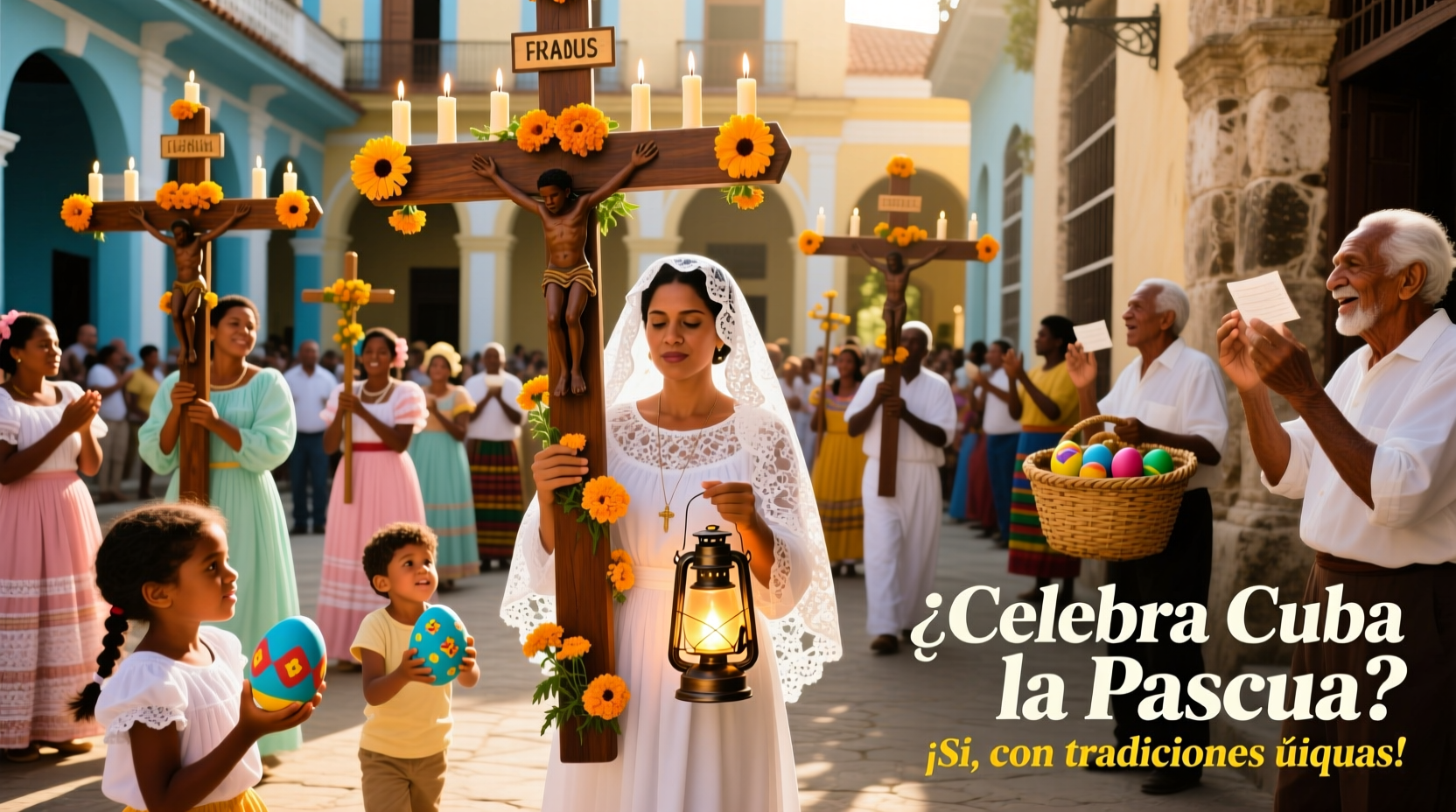
Yes, Cuba does celebrate Easter, though the nature and scale of observances reflect the island's complex relationship between religion, culture, and state policy. While Easter in Cuba is not a widely publicized national holiday in the same way as in other Latin American countries, it remains an important religious event for Cuban Catholics and growing Christian communities. The celebration of Easter in Cuba has evolved significantly since the 1959 revolution, when religious expression was suppressed under communist rule. Today, however, increased religious freedom allows for more open observance of Holy Week (Semana Santa) and Easter Sunday services, particularly in major cities like Havana, Santiago de Cuba, and Camagüey.
Historical Context: Religion and Revolution in Cuba
To understand how Easter is celebrated in Cuba today, it’s essential to examine the country’s historical relationship with religion. Before the Cuban Revolution of 1959, Catholicism was deeply woven into the social and cultural fabric of the nation. Churches played central roles in community life, and religious holidays such as Christmas and Easter were publicly observed with processions, masses, and family gatherings.
After Fidel Castro came to power, the new socialist government adopted an officially atheist stance. Religious institutions were marginalized, clergy were often viewed with suspicion, and many churches closed or operated under severe restrictions. Public celebrations of religious holidays—including how Cubans observe Easter—were discouraged or driven underground.
This began to shift in the late 20th century. In 1992, the Cuban constitution was amended to change the state from 'atheist' to 'secular,' allowing greater space for religious practice. Pope John Paul II’s historic visit in 1998 marked a turning point, reinvigorating public expressions of faith. Since then, religious observances during Lent and Easter have gradually become more visible.
Modern Easter Observances in Cuba
Today, Easter in Cuba is primarily a religious rather than a commercial holiday. Unlike in the United States or Western Europe, there are no widespread Easter egg hunts, retail promotions, or televised specials. Instead, observance centers around church services, personal devotion, and quiet family reflection.
Catholic churches across Cuba hold special liturgies during Holy Week, including Palm Sunday processions, the Mass of the Lord’s Supper on Holy Thursday, the solemn Good Friday service commemorating the crucifixion, and the joyful Easter Vigil on Saturday night leading into Easter Sunday. These services are attended by both regular parishioners and those who return to the Church specifically for the holiday.
In recent years, some parishes have revived traditional customs such as las procesiones silenciosas (silent processions), where participants walk through neighborhoods carrying crosses or images of Christ and the Virgin Mary. While these events are modest compared to those in Mexico or Spain, they represent a meaningful resurgence of public religious expression.
Regional Differences in Easter Celebrations
There are notable regional variations in how Easter is observed across the island:
- Havana: The capital sees some of the largest Easter gatherings, especially at the Havana Cathedral in Old Havana. International visitors and expatriates often attend services here, adding to the diversity of worshippers.
- Santiago de Cuba: Known for its Afro-Caribbean cultural influences, this eastern city blends Catholic traditions with local music and rhythms during religious services.
- Camagüey and Holguín: These interior provinces maintain strong rural church communities, where extended families gather for Easter meals after mass.
Despite these regional differences, one commonality is that Easter remains largely a private or church-centered affair. There are no official public holidays declared for Easter Sunday, although Good Friday may be informally recognized in some workplaces, especially those affiliated with religious organizations.
Challenges and Limitations
While religious freedom has improved, practical challenges still affect how fully Cubans can celebrate Easter. Some of these include:
- Limited access to religious materials: Bibles, missals, and devotional items can be difficult to obtain due to import restrictions and economic constraints.
- Church infrastructure: Many churches remain in disrepair due to lack of funding and maintenance resources.
- Media coverage: State-run television and newspapers rarely cover Easter events, limiting public awareness and participation.
- Economic hardship: With widespread shortages of food and basic goods, even simple Easter meals can be a challenge for many families.
These factors mean that while Cuban Easter traditions are alive, they exist within a context of resilience and adaptation. Families may celebrate with whatever is available—perhaps a small fish meal instead of lamb, or homemade cards instead of store-bought decorations.
How Visitors Can Experience Easter in Cuba
For travelers interested in experiencing Easter in Cuba, advance planning is essential. Here are several tips:
- Check church schedules: Contact local dioceses or parish offices ahead of time to confirm service times, as printed bulletins may not be readily available.
- Respect local customs: Dress modestly when attending services, and avoid taking photographs during worship unless permitted.
- Attend the Easter Vigil: This nighttime service on Holy Saturday is often the most spiritually significant and beautifully observed.
- Engage with local believers: Many Cubans welcome respectful dialogue about their faith and experiences during Easter.
- Be mindful of transportation: Public transit may be limited during the holiday week, so plan accordingly if traveling between cities.
It’s also worth noting that while tourism continues year-round, some smaller guesthouses (casas particulares) may reduce availability during Holy Week as owners attend family and religious obligations.
Comparison with Other Caribbean Nations
When considering which countries celebrate Easter in the Caribbean, Cuba stands apart due to its unique political history. Neighboring nations like Jamaica, the Dominican Republic, and Puerto Rico observe Easter with vibrant public festivals, school holidays, and community events. In contrast, Cuba’s celebrations are more subdued and inward-focused.
However, all share a common foundation in Christian tradition. Across the region, Easter symbolizes renewal, hope, and spiritual liberation—values that resonate deeply in post-colonial societies.
| Country | Public Holiday? | Major Traditions | Religious Freedom Level |
|---|---|---|---|
| Cuba | No (unofficial recognition) | Church services, silent processions | Moderate (improving) |
| Dominican Republic | Yes | Processions, passion plays, family feasts | High |
| Jamaica | Yes | Bun and cheese, church concerts, street events | High |
| Puerto Rico | Yes | Via Crucis, Easter eggs, parades | High |
Common Misconceptions About Easter in Cuba
Several myths persist about religious life in Cuba:
- Misconception: Religion is banned in Cuba.
Reality: While restricted historically, religious practice is now legally protected under a secular state framework. - Misconception: No one celebrates Easter in Cuba anymore.
Reality: Thousands attend Easter services annually; attendance has grown since the 1990s. - Misconception: Easter is a tourist-oriented event.
Reality: It is primarily a sincere religious observance, not performed for visitors.
Looking Ahead: The Future of Easter in Cuba
The future of religious holidays like Easter in Cuba depends on ongoing developments in civil liberties, economic conditions, and international relations. As younger generations reconnect with faith, there is potential for richer, more diverse expressions of Easter tradition—possibly incorporating music, art, and education initiatives linked to Holy Week.
Additionally, increased engagement between the Catholic Church and the Cuban government—such as the possibility of future papal visits—could further normalize and strengthen public religious life.
Frequently Asked Questions
Is Easter a public holiday in Cuba?
No, Easter Sunday is not an official public holiday in Cuba, though Good Friday may be informally observed in some sectors. Government offices and schools remain open.
Can tourists attend Easter services in Cuba?
Yes, tourists are generally welcome to attend Catholic masses and Easter services. Visitors should dress respectfully and follow local customs during worship.
Are there any Easter-related events open to the public?
Some churches host public processions or musical liturgies during Holy Week, particularly in larger cities. Check with local parishes for schedules.
How do Cubans typically spend Easter Sunday?
Many attend morning mass and then gather with family for a modest meal. Due to economic constraints, celebrations are usually low-key and focused on faith rather than consumerism.
Has the Cuban government supported religious Easter observances?
While not promoting them directly, the government has allowed greater religious freedom since the 1990s. Church leaders report improved relations, though full equality with state institutions remains a work in progress.




 浙公网安备
33010002000092号
 浙B2-20120091-4