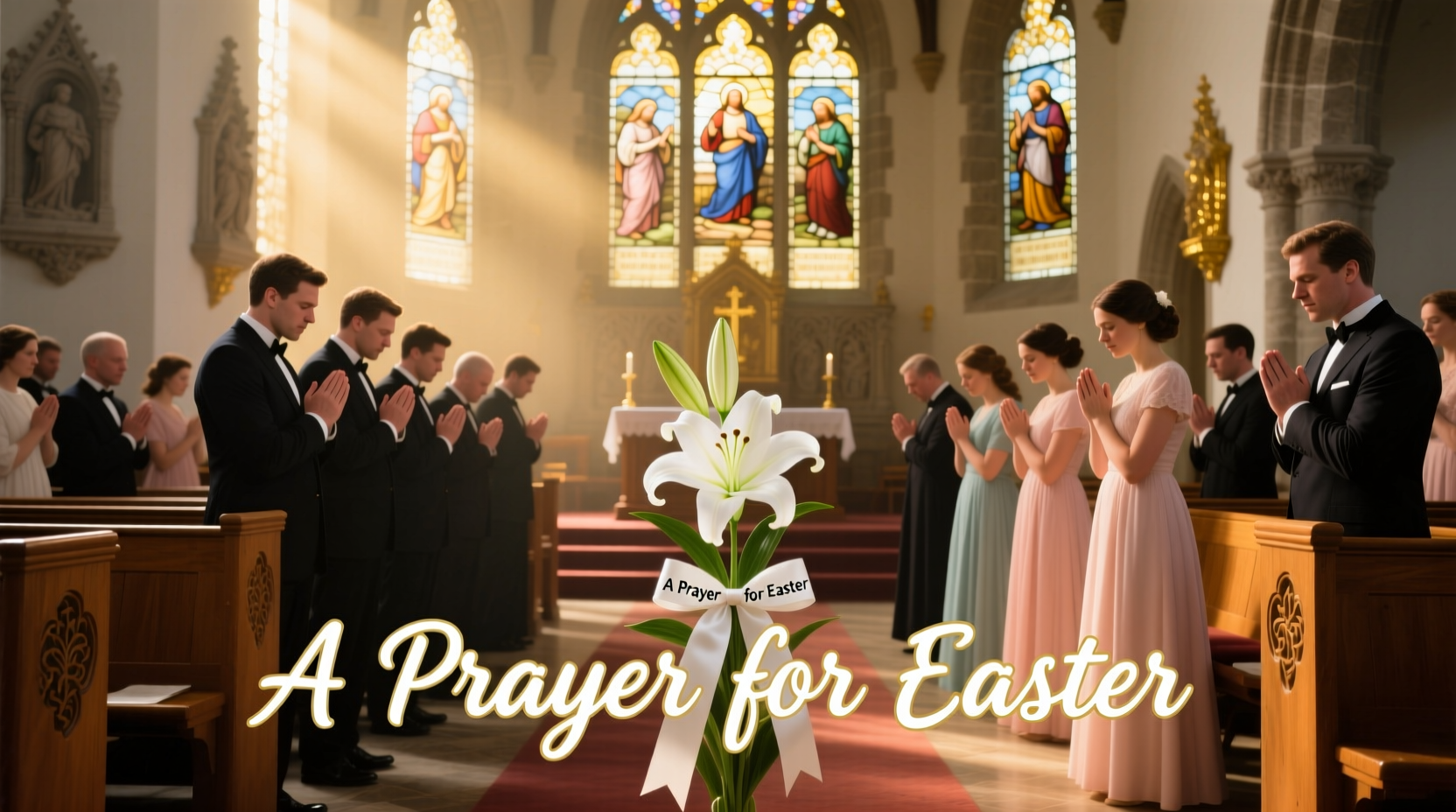
A prayer for Easter is a sacred expression of faith, gratitude, and renewal that millions of Christians around the world offer during the most holy day of the liturgical year—Easter Sunday. Rooted deeply in the celebration of Jesus Christ’s resurrection from the dead, a prayer for Easter serves as both a personal and communal moment of spiritual reflection, hope, and thanksgiving. Whether recited in church services, shared within families, or whispered in quiet moments of solitude, this prayer encapsulates the essence of Christian belief: victory over death, the promise of eternal life, and the enduring power of divine love. As believers gather each year to commemorate this pivotal event, incorporating a meaningful Easter prayer into their worship deepens the connection between scripture, tradition, and lived faith.
The Significance of Easter in Christianity
Easter stands at the heart of the Christian faith. Unlike other religious holidays that honor teachings or miracles, Easter celebrates the cornerstone of Christian doctrine—the resurrection of Jesus Christ after his crucifixion. According to the New Testament, Jesus rose from the tomb on the third day following his death, appearing to his disciples and confirming his divinity. This miraculous event affirms the belief that through Christ’s sacrifice and triumph over death, humanity is offered salvation and the gift of eternal life.
The theological importance of Easter cannot be overstated. It marks the fulfillment of Old Testament prophecies and completes the Paschal mystery—the suffering, death, and resurrection of Jesus. For Christians, Easter is not merely a historical remembrance but a living reality experienced through sacraments, worship, and prayer. A prayer for Easter becomes a vital conduit through which believers internalize this profound truth, transforming abstract doctrine into heartfelt devotion.
Historical Development of Easter Prayers
The practice of offering special prayers during Easter dates back to the early Church. In the first few centuries after Christ, Christian communities gathered before dawn on Easter Sunday to pray, sing hymns, and celebrate the Eucharist—a tradition that continues today. Early liturgical texts, such as those found in the Apostolic Tradition attributed to Hippolytus of Rome (c. 215 AD), include specific prayers for baptismal rites performed during the Easter Vigil, highlighting the theme of new life in Christ.
Over time, formalized prayers emerged within various branches of Christianity. The Roman Catholic Church developed elaborate collects and intercessions for the Easter season, while Eastern Orthodox traditions preserved ancient chants and scriptural litanies. Protestant denominations, especially Anglican, Lutheran, and Methodist churches, adapted these prayers into accessible language, emphasizing personal faith and communal praise. Today, a prayer for Easter can vary widely in form—from traditional liturgies to spontaneous expressions—but all share the common goal of glorifying God and renewing spiritual commitment.
Common Themes in Easter Prayers
While the wording may differ across denominations and cultures, most Easter prayers revolve around several central themes:
- Resurrection and Victory Over Death: This is the dominant motif. Prayers often begin by acknowledging Christ’s triumph over the grave, using imagery like light conquering darkness or life overcoming decay.
- Renewal and Transformation: Believers ask God to renew their hearts, minds, and spirits, drawing parallels between Christ’s rising and their own journey of sanctification.
- Hope and Eternal Life: Many Easter prayers express confidence in the promise of heaven and the believer’s future resurrection.
- Gratitude for Salvation: Thanksgiving is central, recognizing that redemption was made possible through Christ’s sacrifice and resurrection.
- Commissioning and Mission: Some prayers conclude with petitions for strength to live out the Gospel message in daily life, spreading joy and peace to others.
These elements ensure that a prayer for Easter is not only reflective but also transformative, guiding worshippers toward deeper discipleship.
Examples of Traditional and Modern Easter Prayers
Below are two examples illustrating the range of styles used in Easter worship—one traditional and one contemporary.
Traditional Catholic Easter Prayer
"O God, who on this day, through your Only Begotten Son, conquered death and unlocked for us the path to eternity, grant, we pray, that we who keep the solemnity of the Lord's Resurrection may, through the joys of this feast and the glory of our adoption, come to the fullness of redemption. Through our Lord Jesus Christ, your Son, who lives and reigns with you in the unity of the Holy Spirit, God, forever and ever. Amen."
Contemporary Non-Denominational Prayer for Easter
"Lord Jesus, today we celebrate Your victory over the grave. Thank You for rising in power and glory, proving once and for all that love is stronger than death. Fill us with Your Holy Spirit, so that we may walk in newness of life. Help us to live each day with hope, knowing that because You live, we too shall live. May our words and actions reflect the joy of the resurrection. In Your mighty name, we pray. Amen."
Both versions center on the core truths of Easter while adapting to different liturgical contexts and congregational needs.
How to Incorporate a Prayer for Easter Into Personal and Family Worship
Even outside formal church settings, individuals and families can enrich their Easter experience by integrating prayer into their celebrations. Here are practical ways to do so:
- Begin the Day with Prayer: Start Easter morning with a brief family devotional. Read Matthew 28 or John 20, then offer a simple prayer together.
- Create a Prayer Space: Designate a quiet corner with a cross, candles, or flowers. Use this space for meditation and reciting an Easter prayer.
- Write Your Own Prayer: Encourage children and adults alike to write personal prayers expressing what Easter means to them.
- Use Liturgical Resources: Many churches publish Easter prayer booklets or provide online resources. These can guide home observances.
- Pray During Meals: Include a special blessing at the Easter dinner table, thanking God for both physical and spiritual nourishment.
Such practices help ground the holiday in spiritual meaning rather than consumerism or mere tradition.
Cultural Variations in Easter Prayer Practices
Easter is observed globally, and prayer customs reflect regional and cultural diversity. In Latin America, processions and dramatic reenactments often culminate in communal prayers of thanksgiving. In Greece and other Orthodox-majority countries, the midnight Paschal service includes the exclamation "Christos Anesti!" (Christ is Risen!), followed by candlelight processions and hymns. African Christian communities frequently blend indigenous musical forms with biblical texts in vibrant Easter liturgies.
In some cultures, Easter prayers are accompanied by symbolic acts—such as breaking bread, lighting fires, or blessing baskets of food. These rituals reinforce the message of resurrection and abundance. Understanding these variations broadens appreciation for how a prayer for Easter transcends language and geography, uniting believers in shared faith.
The Role of Music and Hymns Alongside Prayer
Music has always been integral to Easter worship, often functioning as a form of sung prayer. Classic hymns like "Christ the Lord Is Risen Today," "Jesus Christ Is Risen Indeed," and "Thine Be the Glory" echo the themes found in written prayers—victory, joy, and divine majesty. Congregational singing amplifies the emotional impact of the resurrection narrative, making theology experiential.
Many churches structure their Easter services so that music and prayer alternate, creating a rhythm of praise and petition. Choirs may perform anthems based on Psalm 118 (“This is the day the Lord has made”) or Revelation 5 (“Worthy is the Lamb”), reinforcing the scriptural foundation of Easter prayers. Even instrumental pieces, such as trumpet fanfares or organ preludes, serve as non-verbal prayers of adoration.
Differences in Easter Observance Across Denominations
While all Christian traditions affirm the resurrection, the way they incorporate prayer varies:
| Denomination | Key Prayer Practices | Notable Features |
|---|---|---|
| Roman Catholic | Liturgical collects, Eucharistic prayers, Exsultet chant | Emphasis on sacramental grace; 50-day Easter season |
| Eastern Orthodox | Midnight resurrection proclamation, Akathist hymns | All-night vigil; use of incense and icons |
| Anglican/Episcopalian | Book of Common Prayer collects, responsive readings | Blend of liturgy and scripture; formal yet accessible |
| Protestant (Baptist, Methodist, etc.) | Sermon-based prayers, altar calls, spontaneous intercession | Focused on personal response and conversion |
| Pentecostal/Charismatic | Extemporaneous prayer, speaking in tongues, prophetic declarations | Emphasis on immediate spiritual encounter |
Despite differences in style, all emphasize the centrality of Christ’s resurrection in shaping authentic Christian prayer.
Common Misconceptions About Easter Prayers
Several misunderstandings persist about the nature and purpose of a prayer for Easter:
- Misconception 1: That Easter prayers are only for church use. Reality: They can be prayed privately, in homes, or even silently during personal reflection.
- Misconception 2: That prayers must be memorized or read from a book. Reality: Sincere, spontaneous prayers are equally valid and often more meaningful.
- Misconception 3: That Easter prayer is limited to one day. Reality: The Easter season lasts seven weeks (until Pentecost), providing ample opportunity for ongoing resurrection-centered prayer.
Clarifying these points helps remove barriers to participation and encourages broader engagement.
Tips for Writing Your Own Easter Prayer
If you wish to compose a personal prayer for Easter, consider the following guidelines:
- Start with Praise: Acknowledge God’s power and faithfulness in raising Jesus.
- Express Gratitude: Thank Him for salvation, forgiveness, and the hope of eternal life.
- Ask for Renewal: Request spiritual growth, courage, and compassion.
- Include Others: Pray for family, friends, the church, and the world.
- End with Confidence: Close in Jesus’ name, affirming trust in His promises.
Writing your own prayer fosters intimacy with God and makes the resurrection story personally relevant.
Frequently Asked Questions (FAQs)
What is the purpose of a prayer for Easter?
The purpose is to honor the resurrection of Jesus Christ, express gratitude for salvation, seek spiritual renewal, and strengthen one’s relationship with God during the most sacred Christian feast.
Can I pray the Easter prayer at home?
Yes, absolutely. Many people pray Easter prayers privately or with family. You can use a traditional text or create your own, making it a meaningful part of your personal devotion.
When should I say a prayer for Easter?
You can pray it on Easter Sunday morning, during church services, at mealtime, or anytime during the Easter season, which lasts 50 days until Pentecost.
Are there Bible verses commonly used in Easter prayers?
Yes, key passages include Matthew 28:6 (“He is not here; he has risen!”), John 11:25–26 (I am the resurrection and the life), and 1 Corinthians 15:20 (Christ has indeed been raised).
Do different Christian denominations have different Easter prayers?
Yes, while the core message remains the same, wording and structure vary by tradition—Catholic, Orthodox, Protestant, and evangelical churches each have distinct liturgical styles and preferred texts.





 浙公网安备
33010002000092号
浙公网安备
33010002000092号 浙B2-20120091-4