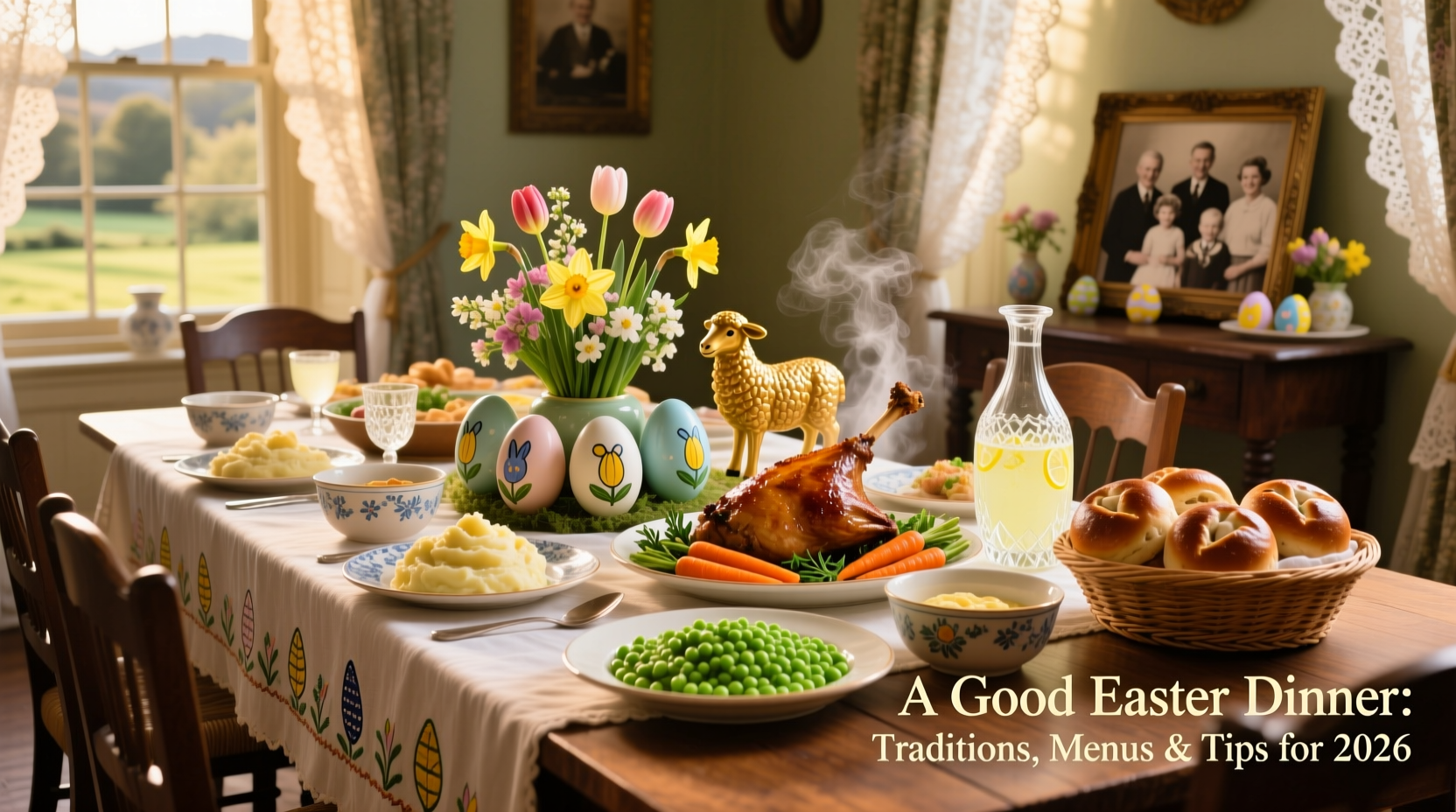
A good Easter dinner typically centers around roast lamb, ham, or other festive meats, accompanied by symbolic sides like hot cross buns and spring vegetables—a tradition rooted in Christian and seasonal customs celebrated worldwide. Planning a memorable meal involves selecting the right proteins, preparing ahead, and understanding regional preferences that define what makes a truly authentic and satisfying Easter feast.
What Is a Good Easter Dinner?
When people search for ideas on what constitutes a good Easter dinner, they're often looking for more than just a menu—they want a meaningful celebration that blends tradition, flavor, and family togetherness. A good Easter dinner usually features a centerpiece protein such as roasted lamb or glazed ham, paired with fresh spring produce, deviled eggs, and sweet desserts like carrot cake or simnel cake. These elements are not only delicious but also rich in symbolism: lamb represents Jesus as the 'Lamb of God,' while eggs signify new life and resurrection.
In many households, especially in the United States, Canada, the UK, and Australia, a good Easter dinner is served mid-afternoon after church services or an Easter egg hunt. It’s a time when families gather to enjoy seasonal foods and reflect on the religious significance of the holiday. Whether you’re hosting a large multigenerational gathering or a small intimate meal, focusing on balance—between savory and sweet, tradition and innovation—can elevate your Easter table into something truly special.
Traditional Easter Dinner Dishes Around the World
Easter culinary traditions vary widely across cultures, reflecting local ingredients, religious practices, and historical influences. Understanding these differences can help you craft a globally inspired yet personally meaningful meal.
In the United States, a classic good Easter dinner often includes honey-glazed ham, scalloped potatoes, green beans almondine, and homemade rolls. Dessert might be a spiced carrot cake with cream cheese frosting. Ham is particularly popular because it doesn’t require abstaining from meat during Lent, unlike beef or poultry in some traditions.
In the United Kingdom, roast lamb is the most common main course, served with mint sauce, roasted potatoes, and spring peas. Simnel cake—a fruitcake topped with marzipan balls representing the apostles—is a traditional dessert. Some families still observe the practice of eating hot cross buns on Good Friday, saving the flavors of the season for the full celebration on Sunday.
Italy offers a rich array of regional specialties. In central Italy, abbacchio (roast lamb) is standard, while in southern regions, casatiello (a savory Easter bread filled with cheese and cured meats) is baked before Easter Sunday. Colomba di Pasqua, a dove-shaped sweet bread similar to panettone, replaces the Christmas version and symbolizes peace and renewal.
Greece celebrates with spit-roasted lamb seasoned with lemon and oregano, accompanied by skordalia (garlic-potato dip) and Greek salads. The meal follows midnight church services and the breaking of the Lenten fast, making it both joyous and spiritually significant.
Poland features a festive Easter breakfast after a blessing of baskets on Holy Saturday. Dishes include kielbasa, boiled eggs, sauerkraut, and babka (a sweet yeast cake). While technically not a 'dinner,' this elaborate morning spread plays the same communal role as the American or British evening meal.
| Country | Main Course | Signature Side | Dessert |
|---|---|---|---|
| United States | Honey-Glazed Ham | Scalloped Potatoes | Carrot Cake |
| United Kingdom | Roast Lamb | Mint Sauce, New Potatoes | Simnel Cake |
| Italy | Abbacchio | Casatiello | Colomba di Pasqua |
| Greece | Spit-Roasted Lamb | Skordalia | Galaktoboureko |
| Poland | Kielbasa & Eggs | Pickled Beets | Babka |
How to Plan a Good Easter Dinner Menu
Creating a successful Easter dinner starts weeks in advance. Here are key steps to ensure your meal is both delicious and stress-free:
- Choose Your Main Protein Early: Whether you go with ham, lamb, turkey, or a vegetarian option like a mushroom Wellington, order or purchase it at least one week ahead. Specialty cuts like spiral-sliced hams or pasture-raised lamb sell out quickly.
- Balance Flavors and Textures: Aim for variety—creamy (mashed potatoes), crunchy (roasted carrots), tangy (cucumber salad), and rich (gravy or au jus). This keeps every bite interesting and caters to different palates.
- Prepare Make-Ahead Dishes: Many side dishes can be partially or fully prepared days in advance. Deviled eggs, casseroles, desserts, and sauces reheat well and reduce last-minute pressure.
- Accommodate Dietary Needs: With rising awareness of allergies and lifestyle choices, consider offering gluten-free, vegetarian, or dairy-free alternatives. A labeled serving spoon helps guests identify safe options.
- Don’t Forget the Bread Basket: Freshly baked rolls, hot cross buns, or cornbread add warmth and comfort to the table. Warm them just before serving for maximum aroma and appeal.
Timing and Cooking Tips for a Stress-Free Meal
One of the biggest challenges in serving a good Easter dinner is timing everything perfectly. Ovens are often overloaded, and last-minute prep can cause unnecessary stress.
- Create a Cooking Timeline: Work backward from your planned serving time. For example, if dinner is at 2:00 PM and your ham needs 2.5 hours to cook plus glazing time, start it by 11:00 AM. Use a wall calendar or digital reminder system to stay on track.
- Use Oven Space Wisely: If cooking multiple items, arrange dishes based on temperature needs. Roast the ham at 325°F, then increase heat for a final crisp if needed. Vegetables can roast alongside or afterward using residual heat.
- Rest Meats Before Slicing: Let ham or lamb rest for 15–20 minutes after removing from the oven. This allows juices to redistribute, resulting in moister slices.
- Keep Food Safe: Never leave perishable dishes out for more than two hours. Use chafing dishes or warming trays to maintain safe temperatures during extended meals.
Common Mistakes to Avoid When Planning a Good Easter Dinner
Even experienced hosts make missteps. Being aware of common pitfalls can help you deliver a seamless experience.
- Overcrowding the Menu: Trying to serve too many dishes leads to burnout and uneven quality. Stick to 4–6 well-executed items instead of 10 mediocre ones.
- Ignoring Guest Preferences: Failing to ask about dietary restrictions can alienate guests. Send a polite message or include a note in invitations asking about allergies or preferences.
- Underestimating Prep Time: Peeling potatoes, chopping vegetables, and setting the table take longer than expected. Enlist help from family members or hire temporary assistance if budget allows.
- Serving Cold Food: Plates should be warmed, and serving dishes kept hot. Invest in thermal covers or use the oven’s ‘warm’ setting to hold dishes until ready to serve.
Modern Twists on Classic Easter Dinner Ideas
While tradition matters, many families enjoy updating their menus with contemporary flavors. A good Easter dinner doesn’t have to be rigid—it can evolve with your tastes.
- Herb-Crusted Rack of Lamb: Elevate roast lamb with a rosemary-garlic crust and red wine reduction sauce.
- Pineapple-Glazed Spiral Ham: Add tropical flair with a glaze made from brown sugar, pineapple juice, and cloves.
- Vegan Wellington: Replace meat with lentils, mushrooms, and spinach for a plant-based centerpiece.
- Mini Dessert Jars: Serve individual portions of tiramisu, lemon curd parfaits, or chocolate mousse in mason jars for easy cleanup and visual appeal.
Where to Buy Pre-Made Easter Dinner Kits
For those short on time, several retailers offer complete Easter dinner kits. Brands like Williams Sonoma, Harry & David, and Goldbelly ship fully prepared hams, sides, and desserts nationwide. Grocery chains such as Whole Foods, Kroger, and Wegmans also provide heat-and-serve packages featuring organic meats and gourmet accompaniments.
These kits can save hours of prep and guarantee restaurant-quality results. However, prices tend to be higher than buying ingredients separately, so compare costs and read reviews before ordering. Always check delivery windows to ensure freshness, especially if shipping perishables.
Frequently Asked Questions About a Good Easter Dinner
- What is the most traditional main dish for Easter dinner?
- Roast lamb and honey-glazed ham are the two most traditional main dishes. Lamb is especially symbolic in Christian theology, representing Christ as the sacrificial lamb.
- Can I prepare Easter dinner the day before?
- Yes, many components can be made in advance. Casseroles, desserts, dips, and glazes keep well refrigerated. Cooked meats can be sliced and reheated gently in gravy or broth to retain moisture.
- How much ham do I need per person?
- Plan for about 1/2 pound of bone-in ham per guest. If serving a larger group, opt for a spiral-cut ham for easier portioning.
- Are there vegetarian options for Easter dinner?
- Absolutely. Stuffed acorn squash, mushroom risotto, or a nut roast can serve as satisfying centerpieces. Pair with seasonal vegetables and a fresh salad for a balanced meal.
- What wines pair well with Easter dinner?
- For ham, try Riesling or Pinot Noir. With lamb, Cabernet Sauvignon or Syrah complements the richness. Rosé and sparkling wines work well for brunch-style celebrations.
Ultimately, a good Easter dinner isn’t defined solely by the menu, but by the sense of connection it fosters. Whether you follow century-old recipes or invent new ones, the goal remains the same: sharing gratitude, renewal, and joy around the table. By planning thoughtfully, embracing tradition with flexibility, and prioritizing hospitality over perfection, your Easter celebration can become a cherished annual event.





 浙公网安备
33010002000092号
浙公网安备
33010002000092号 浙B2-20120091-4