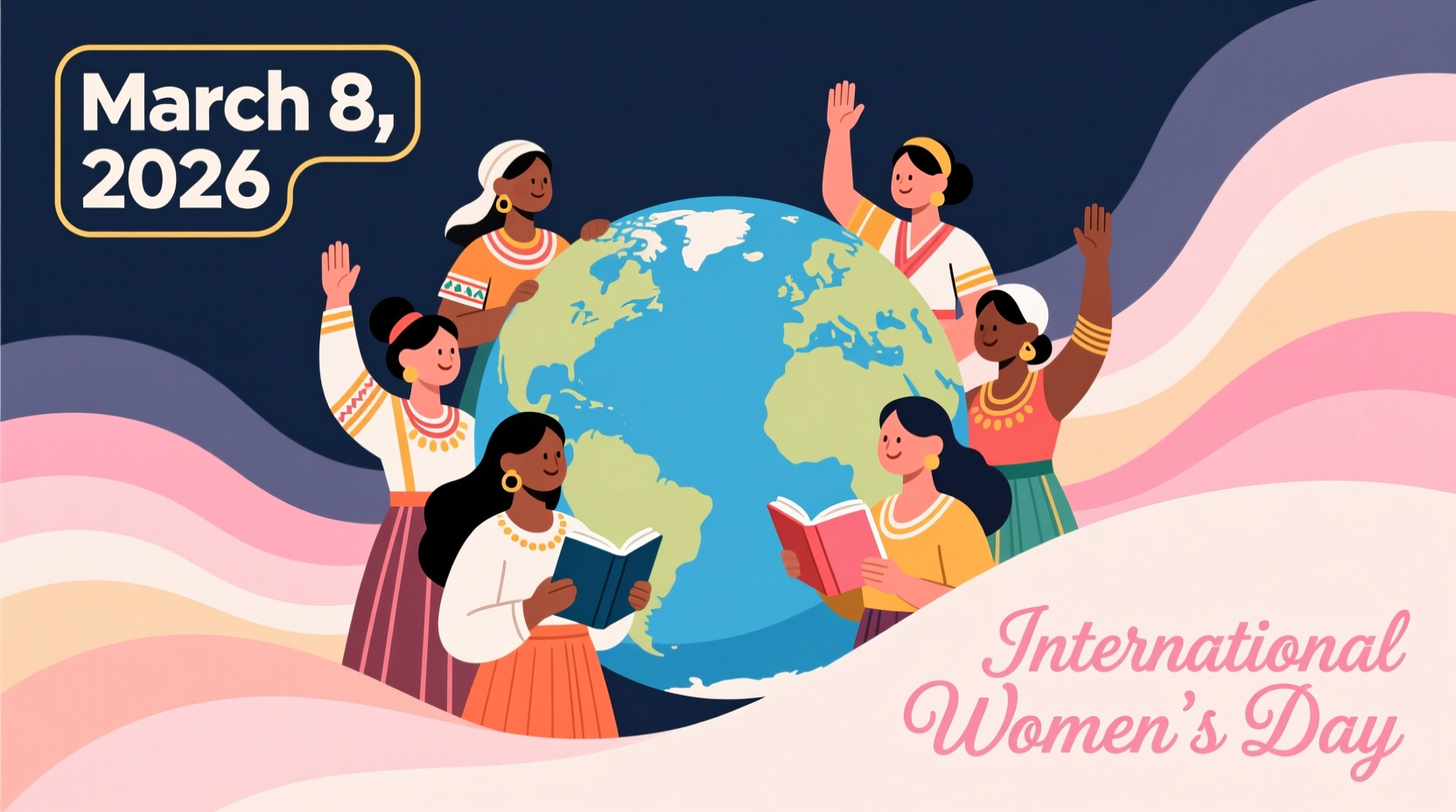
International Women's Day in 2026 will be observed on Saturday, March 8. This annual global event, recognized as a pivotal moment in the world day calendar dedicated to gender equality, honors the social, economic, cultural, and political achievements of women. As part of the broader international women’s movement, March 8 serves as both a celebration and a call to action for accelerating gender parity. Each year, this world day unites individuals, organizations, and governments in over 100 countries to reflect on progress, advocate for change, and recognize the contributions of women everywhere.
Understanding International Women's Day: Origins and Significance
International Women's Day (IWD) has deep historical roots that trace back to the early 20th century labor movements in North America and Europe. The first National Woman's Day was observed in the United States on February 28, 1909, organized by the Socialist Party of America to honor the 1908 garment workers' strike in New York, where women protested against poor working conditions. This event sparked international interest, leading to the proposal of an annual women’s day at the 1910 International Socialist Women's Conference in Copenhagen.
Clara Zetkin, a German socialist and feminist, championed the idea of a globally recognized day to promote equal rights and suffrage for women. Her resolution passed unanimously among delegates from 100 women representing 17 countries. The first official International Women's Day was celebrated on March 19, 1911, in Austria, Denmark, Germany, and Switzerland. Over one million people attended rallies demanding women’s right to work, vote, hold public office, and end discrimination.
The date eventually shifted to March 8, which became permanently established after Russian women observed the day on February 23 according to the Julian calendar (March 8 in the Gregorian calendar) during the 1917 strike for 'Bread and Peace'—a protest that contributed to the abdication of Tsar Nicholas II. Since then, March 8 has been internationally recognized as the official date.
Themes and Global Observances
Each year, International Women's Day is guided by a central theme set by the United Nations, such as 'Accelerating Gender Equality' or 'DigitALL: Innovation and Technology for Gender Equality.' These themes provide focus for advocacy campaigns, educational programs, and corporate initiatives worldwide. In addition to UN-led events, civil society organizations, NGOs, schools, and private companies host conferences, workshops, art exhibitions, and community gatherings.
In many countries, IWD is not only symbolic but also marked by policy announcements, gender equity reports, and legislative actions aimed at closing the gender gap. For example, governments may use the occasion to launch new childcare support programs, introduce pay transparency laws, or announce funding for women-led enterprises.
| Year | Date | Day of Week | UN Theme (Example) |
|---|---|---|---|
| 2022 | March 8 | Tuesday | Gender equality today for a sustainable tomorrow |
| 2023 | March 8 | Wednesday | Digital inclusion for all women and girls |
| 2024 | March 8 | Friday | Invest in women: Accelerate progress |
| 2025 | March 8 | Saturday | To be announced |
| 2026 | March 8 | Saturday | To be announced |
Regional Variations and Legal Recognition
While International Women's Day is widely celebrated around the world, its recognition varies significantly by region. In some countries, it is an official national holiday with government closures and paid time off. For instance:
- Russia, China, Vietnam, and Cuba: IWD is a public holiday, often accompanied by flowers, gifts, and family celebrations.
- Germany and the UK: Not a statutory holiday, but increasingly acknowledged through workplace events and media coverage.
- United States: No federal holiday status, though March is designated as Women’s History Month, enhancing visibility around women’s contributions.
In certain Middle Eastern nations, observance can be limited due to political or cultural restrictions, although grassroots activism persists. Conversely, Scandinavian countries integrate IWD into broader gender equality strategies, using the day for high-level policy discussions and public awareness campaigns.
How to Celebrate International Women's Day in 2026
Individuals and organizations can participate meaningfully in International Women's Day through various actions:
- Educate Yourself and Others: Read books, watch documentaries, or attend lectures about women’s history and contemporary challenges. Share resources on social media using hashtags like #IWD2026 or #WomensDay.
- Support Women-Owned Businesses: Make intentional purchases from female entrepreneurs or donate to organizations advancing women’s rights.
- Host or Attend Events: Universities, libraries, and community centers often organize panel discussions, film screenings, or networking events focused on gender equity.
- Advocate for Change: Contact elected officials to support legislation promoting equal pay, parental leave, or anti-discrimination policies.
- Recognize Women in Your Life: Send personalized messages, write thank-you notes, or give thoughtful gifts to mothers, colleagues, mentors, or friends who inspire you.
Ideas for Meaningful Gifts and Gestures
If you're wondering what to give on International Women's Day, consider options that are both symbolic and practical:
- Books by Female Authors: Titles like "We Should All Be Feminists" by Chimamanda Ngozi Adichie or "Bad Feminist" by Roxane Gay make impactful gifts.
- Charitable Donations: Contribute in someone’s name to organizations like UN Women, Girls Who Code, or local shelters for survivors of domestic violence.
- Experiences Over Objects: Offer concert tickets, cooking classes, or spa vouchers to show appreciation.
- Handwritten Letters: A sincere note acknowledging someone’s strength, resilience, or influence can be more powerful than any material gift.
- Sustainable Products: Eco-friendly items from women-led eco-initiatives align with modern values of sustainability and empowerment.
Common Misconceptions About International Women's Day
Despite its global reach, several myths persist about the nature and purpose of IWD:
- Misconception 1: It’s only for women. Reality: IWD invites everyone—regardless of gender—to engage in building a more equitable world.
- Misconception 2: It’s anti-men. Reality: The goal is gender equality, not exclusion. Men are encouraged to be allies and advocates.
- Misconception 3: It’s just about celebration. Reality: While achievements are honored, IWD also highlights ongoing struggles like wage gaps, underrepresentation in leadership, and gender-based violence.
- Misconception 4: It’s outdated. Reality: With women still facing systemic barriers globally, IWD remains critically relevant.
Preparing for International Women's Day 2026
Organizations planning events should begin preparations early. Key steps include:
- Confirming speakers or panelists by December 2025.
- Securing venues or virtual platforms by January 2026.
- Designing inclusive programming that reflects diverse voices, including women of color, LGBTQ+ individuals, and those with disabilities.
- Promoting events through internal communications and social media channels starting February 2026.
For individuals, marking the date on calendars, setting reminders, or joining online communities can help maintain momentum toward meaningful participation.
Verifying Local Observances and Business Hours
Since International Women's Day is not a federal holiday in many countries, business operations typically continue as usual. However, some organizations may host internal events or allow flexible schedules. To confirm how your workplace or local institutions will observe the day:
- Check company intranet announcements or HR bulletins.
- Review government websites for official statements or closures (especially in countries where it is a public holiday).
- Contact cultural centers, embassies, or women’s groups for event listings.
- Monitor retail stores or service providers—some may offer special promotions supporting women-owned brands.
Looking Ahead: The Future of International Women's Day
As global conversations around intersectionality, climate justice, and digital equity evolve, so too does the scope of International Women's Day. Future observances are likely to emphasize inclusivity, data-driven advocacy, and transnational solidarity. Emerging trends include youth-led activism, corporate accountability metrics, and greater emphasis on mental health and caregiving burdens disproportionately borne by women.
The enduring relevance of IWD lies in its dual function: commemorating hard-won victories while challenging complacency. Whether through large-scale policy reforms or small acts of recognition, every effort contributes to the collective journey toward gender justice.
Frequently Asked Questions
- What is the exact date of International Women's Day in 2026?
- International Women's Day 2026 falls on March 8, a Saturday.
- Is International Women's Day a public holiday everywhere?
- No, it is a national holiday in some countries like Russia and China, but not in others like the U.S. or Canada.
- How can I support gender equality on Women's Day?
- You can educate yourself, attend events, support women-owned businesses, donate to causes, or advocate for policy change.
- Are there specific colors associated with International Women's Day?
- Yes, purple symbolizes justice and dignity, green represents hope, and white stands for purity (though the latter is debated). Purple is most commonly used.
- Can men participate in International Women's Day?
- Absolutely. Men are encouraged to be allies by listening, learning, and taking action to promote gender equality.





 浙公网安备
33010002000092号
浙公网安备
33010002000092号 浙B2-20120091-4