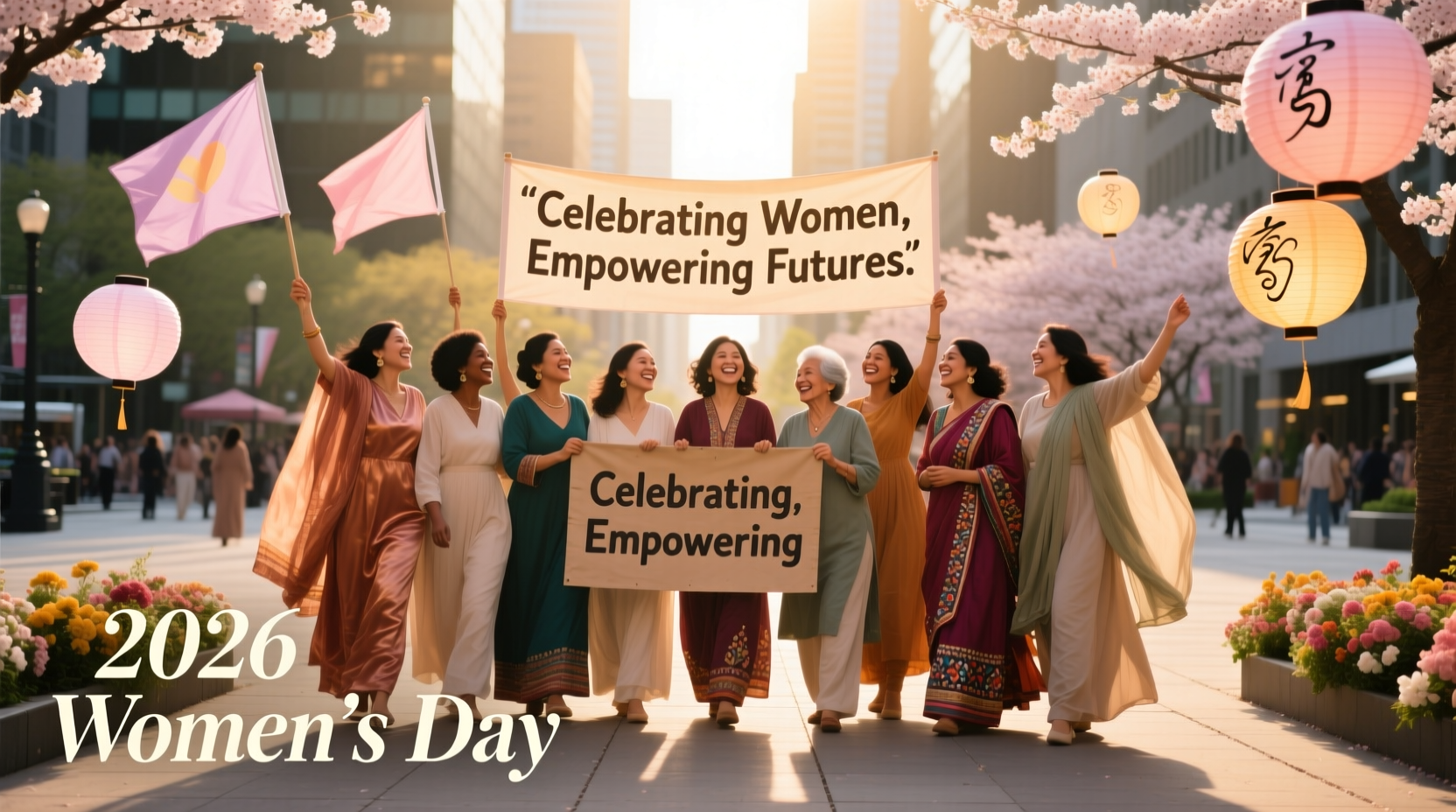
International Women's Day in 2026 will be observed on Sunday, March 8. This date remains consistent each year, as womens day programmes are traditionally held annually on March 8 to honor the achievements, struggles, and contributions of women worldwide. Whether you're planning community events, workplace initiatives, or personal gestures of appreciation, understanding the full scope of Women’s Day programming helps ensure meaningful participation. From educational panels and cultural performances to corporate recognition efforts and grassroots activism, March 8 serves as a global focal point for advancing gender equity.
Understanding the Significance of March 8
The choice of March 8 as International Women’s Day is not arbitrary—it has deep historical roots tied to labor movements and women’s rights advocacy in the early 20th century. The first National Woman's Day was observed in the United States in 1909, organized by the Socialist Party to commemorate the 1908 garment workers' strike in New York, where women protested against poor working conditions. By 1910, at the International Conference of Working Women in Copenhagen, Clara Zetkin proposed an annual Women’s Day to promote equal rights and universal suffrage. The idea was unanimously approved by over 100 women from 17 countries.
The first official International Women’s Day was celebrated on March 19, 1911, across Austria, Denmark, Germany, and Switzerland. However, it wasn’t until 1913 that March 8 became the fixed date, following its observance during World War I as a platform for peace advocacy. In 1975, the United Nations officially recognized March 8 as International Women’s Day, cementing its place on the global calendar. Since then, womens day programmes have expanded beyond political rallies to include educational campaigns, art exhibitions, leadership forums, and public policy discussions.
Common Themes and Global Observances
Each year, the United Nations designates a theme for International Women’s Day to guide global conversations. Past themes have included “DigitALL: Innovation and Technology for Gender Equality” (2023), “Embrace Equity” (2023), and “Choose to Challenge” (2021). These themes shape the focus of womens day programmes around the world, influencing everything from school curricula to corporate diversity training.
In many countries, March 8 is a public holiday. For example, in Russia, China, Vietnam, and Uganda, women often receive flowers, gifts, and time off work. In contrast, in the United States and the United Kingdom, it is more commonly marked through awareness campaigns rather than formal holidays. Schools may host assemblies, businesses organize panel discussions, and NGOs launch new initiatives focused on women’s health, education, or economic empowerment.
| Country | Observance Type | Typical Activities |
|---|---|---|
| Russia | Public Holiday | Gift-giving, family gatherings, floral tributes |
| China | Half-day holiday for women | Workplace celebrations, shopping discounts |
| France | Awareness-focused | Conferences, media features, feminist marches |
| United States | Educational & corporate events | Webinars, employee recognition, social media campaigns |
| Mexico | Strikes and protests | Feminist mobilizations, calls for justice reform |
Types of Women’s Day Programmes
Modern womens day programmes vary widely depending on context—whether they’re hosted by governments, corporations, schools, or civil society organizations. Some common formats include:
- Educational Workshops: Focused on topics like gender bias, pay equity, mental health, and career development. Often held in universities or workplaces.
- Leadership Panels: Featuring successful women from various industries discussing challenges and strategies for advancement.
- Cultural Performances: Theater, dance, poetry readings, and film screenings that highlight women’s stories and creativity.
- Fundraising Campaigns: Supporting women’s shelters, reproductive health services, or girls’ education initiatives.
- Community Service Projects: Organizing mentorship drives, donation collections, or volunteer days benefiting women and girls.
Corporate womens day programmes have grown significantly in recent years. Companies use the day to showcase their commitment to diversity, equity, and inclusion (DEI). Examples include internal recognition awards, flexible work arrangements for employees, and public pledges to close gender gaps in hiring and promotion.
How to Participate Meaningfully
Whether you're an individual, educator, employer, or organizer, there are numerous ways to engage with womens day programmes effectively:
- Attend Local Events: Check city websites, university calendars, or NGO announcements for public lectures, marches, or art exhibits.
- Host Your Own Event: Even small gatherings—like a book club discussion on feminist literature—can contribute to broader awareness.
- Support Women-Owned Businesses: Make purchases from female entrepreneurs or promote their services online.
- Donate or Volunteer: Contribute to organizations fighting for women’s rights, such as UN Women, Girls Not Brides, or local domestic violence shelters.
- Educate Yourself and Others: Share reliable resources about gender inequality, intersectionality, and historical milestones.
For employers, consider organizing professional development sessions or conducting a pay equity audit. Transparency builds trust and demonstrates genuine commitment beyond symbolic gestures.
Choosing Thoughtful Gifts and Messages
While not all cultures emphasize gift-giving on Women’s Day, in regions where it’s customary, selecting meaningful presents enhances the spirit of appreciation. Instead of generic items, opt for gifts that empower or reflect personal value:
- Books by female authors (e.g., Chimamanda Ngozi Adichie, Maya Angelou)
- Subscriptions to platforms supporting women’s learning (MasterClass, Coursera)
- Donations made in someone’s name to a cause they care about
- Handwritten letters acknowledging specific contributions or strengths
- Tickets to inspiring events or workshops
When crafting messages, avoid clichés like “Happy Women’s Day because you’re strong!” Instead, personalize your note: “Your leadership in our team has created real change—thank you for being a role model.” Authenticity resonates more than sentimentality.
Regional Variations and What to Expect in 2026
As 2026 approaches, anticipate increased digital engagement in womens day programmes, especially hybrid events combining in-person and virtual access. With growing emphasis on inclusivity, future celebrations are likely to center intersectional issues—addressing how race, disability, sexuality, and socioeconomic status intersect with gender.
In some countries, March 8 may see temporary closures or adjusted hours for government offices and schools. Retailers, particularly those promoting Women’s Day sales, might extend operating times. To verify local details:
- Consult national holiday calendars via official government websites
- Check retailer or venue pages for special event schedules
- Follow reputable news outlets or cultural institutions for updates
It’s also important to recognize that while International Women’s Day is widely observed, some communities critique its commercialization or lack of substantive policy outcomes. Therefore, pairing celebration with action—such as advocating for parental leave policies or supporting legislation against gender-based violence—adds lasting impact.
Common Misconceptions About Women’s Day
Several myths persist about International Women’s Day that can dilute its purpose:
- Misconception: It’s only for women.
Reality: Everyone is encouraged to participate. Men play vital roles as allies, advocates, and supporters. - Misconception: It replaces Mother’s Day.
Reality: The two are distinct. Women’s Day focuses on rights and equality, not familial roles. - Misconception: It’s a one-day event.
Reality: While March 8 is symbolic, the movement for gender equality continues year-round.
Preparing for Future Celebrations
To make the most of upcoming womens day programmes, start planning early. Organizations should form committees six months in advance to coordinate logistics, secure speakers, and promote events. Individuals can set personal goals—such as reading five books by women from underrepresented regions or mentoring a young professional.
Monitoring the official UN Women website will provide the 2026 theme once announced, allowing alignment with global messaging. Social media campaigns using hashtags like #IWD2026, #InspireInclusion, or country-specific tags can amplify reach and foster community engagement.
Frequently Asked Questions
When is International Women’s Day in 2026?
International Women’s Day will be celebrated on Sunday, March 8, 2026, as it is every year.
Are there public holidays on Women’s Day in 2026?
Yes, in countries like Russia, China, and Vietnam, March 8 is a public or partial holiday, especially granting women a half-day off. In others, it is observed without official closure.
What kind of events are part of womens day programmes?
Programmes include educational seminars, leadership panels, cultural performances, charity drives, and corporate recognition events focused on gender equality.
How can I support International Women’s Day beyond March 8?
You can support year-round by donating to women’s causes, advocating for equitable policies, mentoring, or challenging gender stereotypes in daily life.
Is Women’s Day the same as Mother’s Day?
No. International Women’s Day celebrates all women’s social, economic, and political achievements, while Mother’s Day specifically honors mothers and mother figures.




 浙公网安备
33010002000092号
浙公网安备
33010002000092号 浙B2-20120091-4