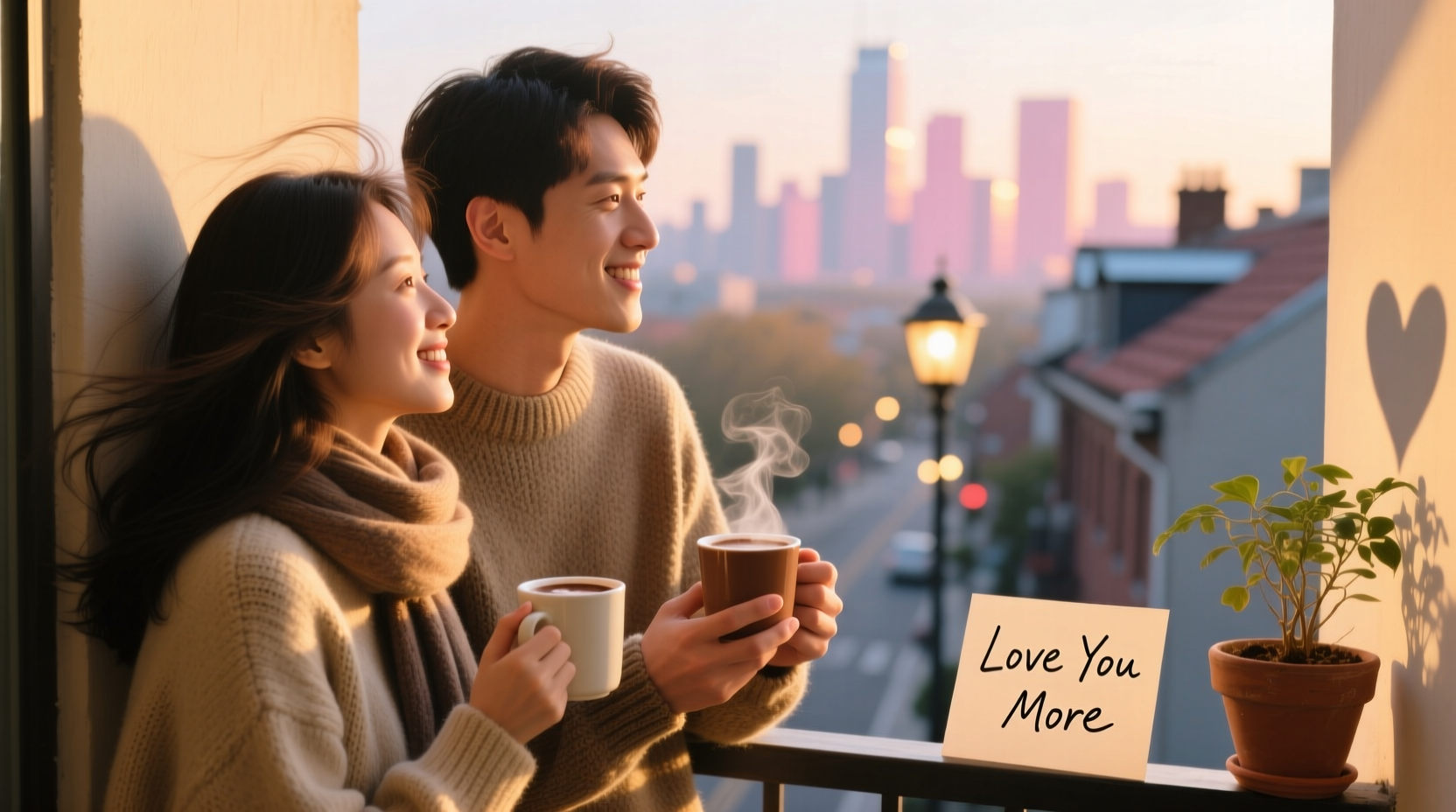
Every year on February 14th, couples around the world celebrate Valentine's Day by expressing their love through thoughtful gestures, romantic experiences, and meaningful traditions. A common long-tail keyword variation like 'what couples do in Valentine's Day' reflects widespread interest in understanding how partners typically spend this holiday dedicated to romance. Most commonly, couples engage in activities such as sharing candlelit dinners, exchanging handwritten cards or gifts like chocolates and flowers, going on special outings, or simply spending quality time together at home. These acts of affection are rooted in centuries-old customs but have evolved into personalized celebrations that reflect modern relationships across cultures.
The Historical Roots of Valentine’s Day Celebrations
To fully understand what couples do on Valentine’s Day today, it's important to explore its historical origins. The holiday traces back to ancient Rome and early Christian traditions. One popular theory links Valentine’s Day to Lupercalia, a fertility festival held in mid-February. Another centers on Saint Valentine, a priest who allegedly defied Emperor Claudius II by performing marriages for young lovers during wartime bans. Over time, the date became associated with courtly love in medieval Europe, particularly through the poetry of Chaucer, who linked St. Valentine’s feast day with romantic affection.
By the 18th century, exchanging handmade notes—known as valentines—became fashionable in England. This tradition crossed the Atlantic and grew in popularity in the United States, especially after mass-produced greeting cards were introduced in the 19th century by companies like Hallmark. Today, these historical elements live on in modern practices: sending cards, declaring love publicly, and making symbolic gestures remain central to what couples do in Valentine's Day observances.
Common Romantic Activities Couples Enjoy Together
Modern couples mark Valentine’s Day in diverse yet often predictable ways. Some of the most widespread traditions include:
- Romantic Dinners: Whether at a high-end restaurant or a home-cooked meal, dining together is one of the top things couples do on Valentine’s Day. Many restaurants offer special prix-fixe menus, requiring reservations weeks in advance.
- Gift-Giving: Flowers (especially red roses), boxed chocolates, jewelry, and personalized presents are classic symbols of affection. According to the National Retail Federation, Americans spent over $25 billion on Valentine’s Day in 2023 alone.
- Love Letters or Cards: Writing heartfelt messages remains a cherished way to express emotion, even in the digital age.
- Weekend Getaways: Many couples opt for short trips to scenic locations, bed-and-breakfasts, or luxury hotels to escape daily routines.
- Movie Nights or Streaming Marathons: At-home celebrations are increasingly popular, featuring favorite films, themed snacks, and cozy atmospheres.
These activities not only strengthen emotional bonds but also provide opportunities for shared memories—key components of lasting relationships.
Cultural Variations in How Couples Celebrate
While February 14th is widely recognized as Valentine’s Day in Western countries, cultural differences shape what couples do in Valentine's Day celebrations globally. For example:
- In Japan, women give chocolates to men on February 14th, while men return the gesture on White Day, celebrated on March 14th—a practice known as 'giri choco' (obligation chocolate) and 'honmei choco' (romantic chocolate).
- In South Korea, couples extend the celebration to Black Day on April 14th, when single people gather to eat black bean noodles (jajangmyeon) and commiserate—or celebrate independence.
- In Finland and Estonia, Valentine’s Day is less about romance and more about friendship; it’s called Ystävänpäivä (“Friend’s Day”) and includes giving small tokens to friends and family.
- In Latin American countries like Mexico and Colombia, couples often attend community festivals, dance events, or religious services honoring love and marriage.
These variations highlight how local values influence expressions of affection and demonstrate that while the core idea of celebrating love is universal, the execution varies significantly depending on region and tradition.
How Couples Personalize Their Valentine’s Day Experience
Beyond standard rituals, many couples choose unique or creative ways to celebrate. Personalization has become a growing trend, reflecting deeper desires for authenticity and emotional connection. Examples include:
- DIY Dates: Crafting homemade coupons for future adventures, cooking a new recipe together, or creating a scrapbook of shared memories.
- Adventure-Based Celebrations: Skydiving, hiking to a scenic viewpoint, or taking a spontaneous road trip instead of traditional dinner dates.
- Charitable Acts: Donating to a cause meaningful to both partners or volunteering together as a form of shared purpose.
- Digital Tributes: Curating photo slideshows, writing online love letters, or posting nostalgic social media tributes (with mutual consent).
Such personalized approaches often resonate more deeply than commercialized options because they reflect individual relationship dynamics and shared values.
Challenges and Misconceptions About Valentine’s Day for Couples
Despite its popularity, Valentine’s Day can create pressure and unrealistic expectations. Common misconceptions include:
- It Must Be Perfect: Media portrayals suggest grand gestures are necessary, but research shows that small, sincere actions often have greater emotional impact.
- All Couples Should Celebrate the Same Way: There’s no “right” way to observe the day. Some prefer low-key evenings; others enjoy public declarations of love.
- Failure to Celebrate Equals Lack of Love: Busy schedules, financial constraints, or differing views on the holiday don’t necessarily reflect relationship health.
Couples should feel empowered to define what works best for them rather than conforming to societal norms. Open communication about expectations before February 14th can prevent disappointment and enhance mutual understanding.
Preparing for Valentine’s Day: Practical Tips for Couples
Successful celebrations often result from planning and intentionality. Here are actionable tips for couples looking to make the most of the occasion:
- Discuss Expectations Early: Talk about preferences—whether you want a big night out or a quiet evening in—to avoid misunderstandings.
- Set a Budget: Agree on spending limits for gifts and meals to reduce stress and ensure financial comfort.
- Make Reservations in Advance: Popular restaurants fill up quickly. Book at least one to two weeks ahead if dining out.
- Plan Thoughtful Surprises: Leave love notes, prepare breakfast in bed, or arrange delivery of their favorite treat during the workday.
- Consider Alternative Dates: If February 14th falls on a busy weekday, celebrate on a nearby weekend to allow more relaxed enjoyment.
Preparation doesn’t diminish spontaneity—it enhances the ability to focus on connection without logistical distractions.
Retail and Service Industry Impact on Couple Celebrations
The commercial aspect of Valentine’s Day plays a significant role in shaping what couples do. Major industries involved include:
| Industry | Common Offerings | Tips for Couples |
|---|---|---|
| Restaurants | Special tasting menus, wine pairings, intimate settings | Check websites for pricing and book early; consider lunch instead of dinner for better value |
| Florists | Red rose bouquets, custom arrangements, same-day delivery | Order by February 12th to avoid price surges and delays |
| Retail Stores | Gift sets, jewelry, apparel, greeting cards | Look for post-Valentine sales if celebrating later |
| Travel & Hospitality | Weekend packages, spa deals, romantic getaways | Compare rates across platforms and read recent guest reviews |
While marketing campaigns may amplify consumerism, savvy couples can use these resources wisely by comparing options, reading customer feedback, and prioritizing experiences over material items.
White Day: An Extension of Valentine’s Traditions
A related celebration, White Day, occurs on March 14th, primarily observed in Japan, South Korea, and parts of China. Originating in Japan in 1978, it was created as a response to Valentine’s Day, where men reciprocate gifts received from women—often with white chocolate, marshmallows, or other white-themed presents. This three-layered cycle continues with Black Day (April 14) and sometimes Yellow Day (May 14), though the latter lacks formal recognition.
For international couples or those living abroad, understanding these extended traditions can enrich cross-cultural relationships and provide additional opportunities to express appreciation beyond a single day.
Final Thoughts: Redefining What Couples Do on Valentine’s Day
Ultimately, what couples do on Valentine’s Day depends on personal preference, cultural background, and relationship stage. While traditional symbols like roses and chocolates endure, there is increasing emphasis on authenticity, emotional presence, and mutual effort. Whether celebrating with fanfare or quiet intimacy, the essence lies in acknowledging love—not just on February 14th, but throughout the year.
Frequently Asked Questions
- What do most couples do on Valentine’s Day?
Most couples go out for dinner, exchange gifts like flowers or chocolates, send cards, or spend quality time together at home. - Is it necessary to celebrate Valentine’s Day as a couple?
No, it’s not mandatory. Healthy relationships respect differing views on holidays, and some couples choose alternative dates or skip it entirely. - How can couples celebrate on a budget?
Cook a meal together, write love letters, take a nature walk, or create a playlist of meaningful songs—thoughtfulness matters more than cost. - What if Valentine’s Day falls on a workday?
Many couples celebrate on the nearest weekend. Flexibility helps maintain the spirit of the holiday without disrupting routines. - Are there non-traditional ways couples celebrate?
Yes—some volunteer together, embark on mini-adventures, renew vows, or host friend gatherings centered on love and friendship.




 浙公网安备
33010002000092号
 浙B2-20120091-4