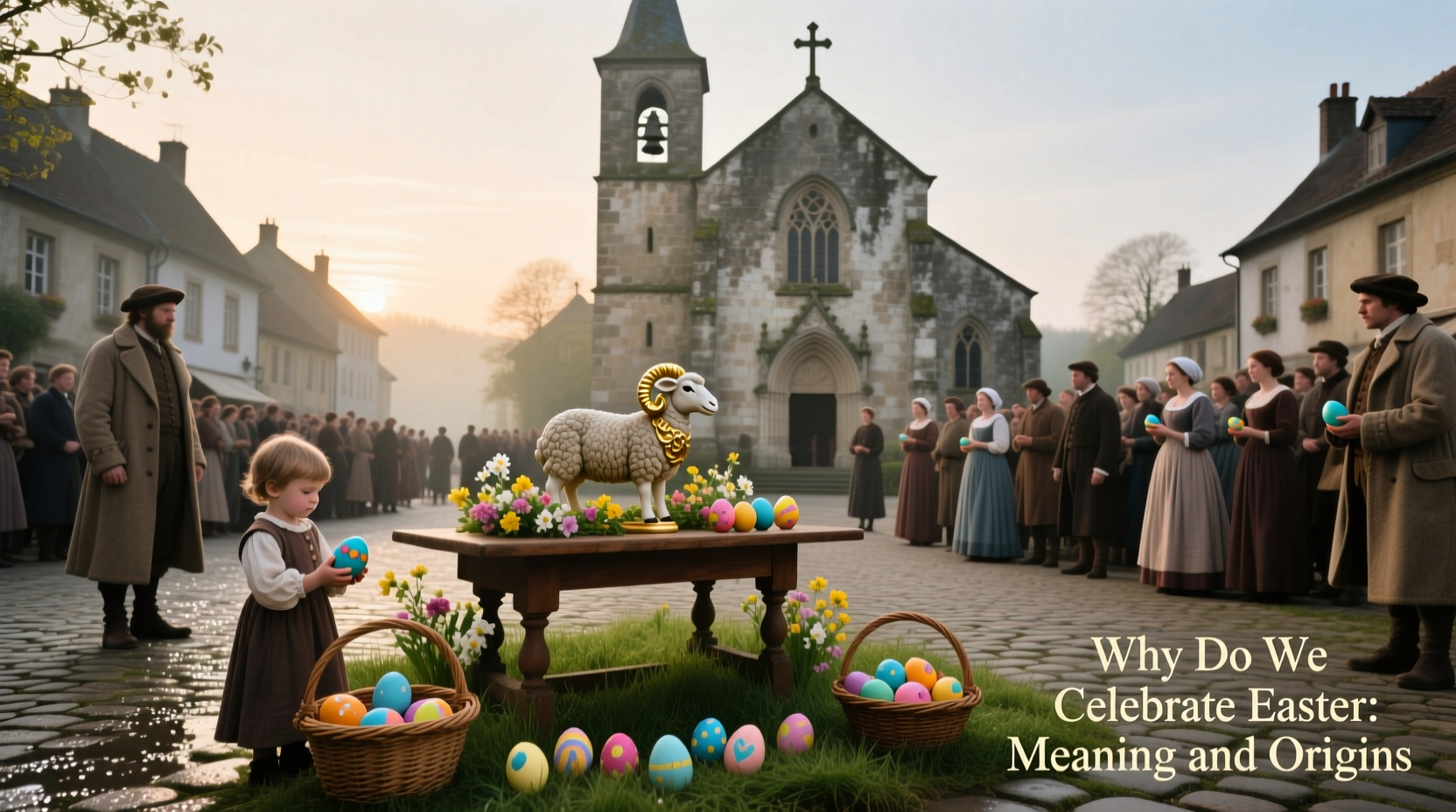
Easter is celebrated to commemorate the resurrection of Jesus Christ from the dead, a central event in the Christian faith. This sacred observance, rooted in both religious tradition and seasonal renewal, explains why do Easter celebrate across millions of churches and homes worldwide. The resurrection, believed to have occurred three days after Christ’s crucifixion, symbolizes victory over sin and death and forms the foundation of Christian hope for eternal life. While modern celebrations often include eggs, bunnies, and family gatherings, the core purpose remains deeply spiritual. Understanding why Easter is celebrated requires exploring its biblical origins, historical development, cultural adaptations, and the ways it continues to shape religious and social life around the globe.
The Religious Significance of Easter
At its heart, Easter is a theological celebration of one of the most pivotal events in Christianity: the resurrection of Jesus Christ. According to the New Testament, Jesus was crucified on a Friday—now observed as Good Friday—and rose from the tomb on the third day, which Christians mark as Easter Sunday. This belief is affirmed in key scriptures such as Matthew 28:6, where an angel declares, “He is not here; he has risen, just as he said.”
The resurrection validates Jesus’ divine identity and fulfills Old Testament prophecies about a messiah who would suffer, die, and rise again. For believers, Easter is not merely a remembrance but a living affirmation of faith. It underscores core Christian doctrines including salvation, grace, and the promise of life after death. Church services on Easter Sunday often feature joyful music, special readings, baptisms, and the proclamation: “Christ is risen! He is risen indeed!”
Because of its centrality, Easter is considered the most important feast in the liturgical calendar, surpassing even Christmas in theological significance. Lent, the 40-day period of fasting and reflection preceding Easter, builds anticipation and prepares worshippers spiritually for this climactic celebration.
Historical Development of the Easter Celebration
The practice of celebrating Easter dates back to the early centuries of Christianity. Historical records suggest that by the 2nd century, Christians were already observing the resurrection, though the date and manner of celebration varied. Early debates centered on whether Easter should align with the Jewish Passover (on Nisan 14) or always fall on a Sunday, regardless of the lunar calendar.
This controversy, known as the Quartodeciman controversy, was largely resolved at the First Council of Nicaea in 325 AD. The council established that Easter would be celebrated on the first Sunday after the first full moon following the vernal equinox, ensuring uniformity across the Christian world. This method, still used today by most Western churches, ties Easter to both astronomical events and ecclesiastical rules.
Over time, regional customs merged with the religious observance. In medieval Europe, Easter became a major festival involving elaborate church rituals, processions, and communal feasting after the austerity of Lent. The holiday also marked agricultural renewal, reinforcing its connection to springtime themes of rebirth and fertility.
Easter Dates and How They Are Determined
Unlike fixed holidays like Christmas, Easter is a moveable feast, meaning its date changes each year. It typically falls between March 22 and April 25 in the Gregorian calendar used by Western Christianity. For example, in 2025, Easter Sunday will be on April 20, while in 2026, it will occur on April 5.
The calculation involves three key factors:
- The vernal (spring) equinox (fixed as March 21 for ecclesiastical purposes)
- The full moon (known as the ecclesiastical full moon)
- The following Sunday
Eastern Orthodox churches, which follow the Julian calendar, often celebrate Easter on a different date than Western churches. This divergence can result in Easter being observed up to five weeks later. For instance, in 2025, Western Easter falls on April 20, while Orthodox Easter occurs on April 20 only in some years—often differing significantly.
| Year | Western Easter Date | Orthodox Easter Date |
|---|---|---|
| 2025 | April 20 | April 20 |
| 2026 | April 5 | April 12 |
| 2027 | March 28 | May 2 |
| 2028 | April 16 | April 16 |
Those seeking exact dates in future years should consult official church calendars or online liturgical tools, as slight variations may occur depending on location and denomination.
Cultural Traditions and Symbolism
While the religious meaning of Easter centers on resurrection, many popular customs have evolved from pre-Christian and folk traditions. These symbols were gradually incorporated into Christian practice, often reinterpreted to reflect spiritual truths.
Easter Eggs: Long associated with fertility and new life, eggs were adopted as a symbol of the empty tomb and Christ’s emergence from death. Today, egg hunts and decorated eggs are common, especially among children. Some churches bless eggs as part of their Easter liturgy.
The Easter Bunny: Originating in German folklore, the hare was seen as a sign of fertility and spring. Immigrants brought the tradition of the "Osterhase" to America in the 18th century. Over time, the bunny became a secular figure associated with delivering eggs and candy—a custom now widespread in countries like the United States, Canada, and Australia.
Easter Lilies: These white flowers symbolize purity and resurrection. Many churches decorate altars with lilies during the Easter season, and they are commonly given as gifts.
Other traditions include Easter parades, special meals (such as ham or lamb), and sunrise services held outdoors to mirror the dawn when Christ’s tomb was found empty.
Which Countries Celebrate Easter?
Easter is observed in numerous countries around the world, both as a religious holiday and, in some places, a public holiday. Major nations that celebrate Easter include:
- United States
- Canada
- United Kingdom
- Australia
- Germany
- France
- Italy
- Spain
- Poland
- Brazil
- The Philippines
- South Africa
In predominantly Christian countries, Easter often includes church attendance, family gatherings, and traditional foods. In Latin America, processions and Passion plays are common. In Eastern Europe, intricate egg decorating (like Ukrainian pysanky) holds deep cultural significance.
Even in non-Christian-majority countries, Easter may be recognized commercially or culturally. For example, Japan and South Korea see increased confectionery sales and themed events, though religious observance remains limited.
Common Misconceptions About Why Easter Is Celebrated
Despite its widespread recognition, several misconceptions persist about Easter:
- Misconception 1: Easter is primarily about bunnies and chocolate. Reality: While these elements are prominent in secular culture, the foundational reason for celebrating Easter is religious—the resurrection of Jesus Christ.
- Misconception 2: Easter has purely pagan origins. Reality: While some symbols (like eggs) have pre-Christian associations, the holiday itself originated as a Christian observance. The church adapted certain cultural motifs but gave them new theological meaning.
- Misconception 3: All Christians celebrate Easter on the same date. Reality: Due to differences in calendars and calculations, Eastern Orthodox churches often celebrate Easter on a different Sunday than Roman Catholic and Protestant churches.
How to Prepare for Easter: Spiritual and Practical Tips
For those seeking to observe Easter meaningfully, preparation can enhance both spiritual depth and personal enjoyment.
Spiritual Preparation:
- Participate in Lenten practices such as prayer, fasting, or reading Scripture.
- Attend Holy Week services, including Maundy Thursday and Good Friday liturgies.
- Reflect on the meaning of sacrifice and redemption through devotional materials.
Practical Preparation:
- Plan family activities like egg hunts or meal gatherings in advance.
- Shop early for Easter supplies, as stores may run out of popular items.
- Check local church schedules for service times, especially if attending a different congregation.
- Verify store hours—many retailers are closed or operate on reduced hours on Good Friday and Easter Sunday.
For travelers, booking accommodations early is advisable, particularly in regions known for large Easter celebrations, such as Rome, Jerusalem, or Seville.
Regional Differences in Easter Observance
Easter traditions vary widely by region, reflecting local culture, climate, and religious emphasis.
In Latin America, Holy Week (Semana Santa) is marked by solemn processions, fasting, and dramatic reenactments of the Passion. In Guatemala, for example, streets are adorned with colorful sawdust carpets that depict religious scenes.
In Greece and other Orthodox countries, families gather for midnight services, breaking the Lenten fast with magiritsa (a lamb soup) and roasted lamb the next day. Red-dyed eggs are cracked together as a symbol of Christ breaking the tomb.
In the United States, Easter combines worship with family-centered activities. The White House Easter Egg Roll is a long-standing tradition, and many communities host parades and festivals.
These regional expressions illustrate how the universal message of Easter—hope, renewal, and resurrection—is lived out in diverse cultural contexts.
Frequently Asked Questions (FAQs)
- Why is Easter celebrated on a different date each year?
- Easter’s date is based on the lunar calendar and the vernal equinox. It falls on the first Sunday after the first full moon following March 21, causing it to shift annually between March 22 and April 25.
- What is the connection between Passover and Easter?
- Jesus’ Last Supper was a Passover meal, and his crucifixion occurred during the Jewish festival. Easter therefore has deep historical and theological ties to Passover, symbolizing liberation—not just from slavery in Egypt, but from sin through Christ’s sacrifice.
- Do all Christian denominations celebrate Easter?
- Most do, including Roman Catholics, Protestants, and Orthodox Christians. However, some groups, like Jehovah’s Witnesses, do not observe Easter, viewing its symbols as having pagan origins.
- Why are eggs associated with Easter?
- Eggs symbolize new life and resurrection. Historically, eggs were forbidden during Lent and then eaten on Easter as part of the celebration. Decorating eggs became a way to honor the joy of the season.
- Can non-Christians celebrate Easter?
- Yes. Many people participate in cultural aspects like egg hunts or family meals without religious intent. However, understanding the religious roots enhances appreciation of the holiday’s deeper meaning.
In summary, the question of why do Easter celebrate is best answered by recognizing its dual nature: a profound religious observance of Christ’s resurrection and a rich cultural festival embracing themes of renewal and community. Whether marked through worship, tradition, or family time, Easter continues to hold enduring significance across the world.





 浙公网安备
33010002000092号
浙公网安备
33010002000092号 浙B2-20120091-4