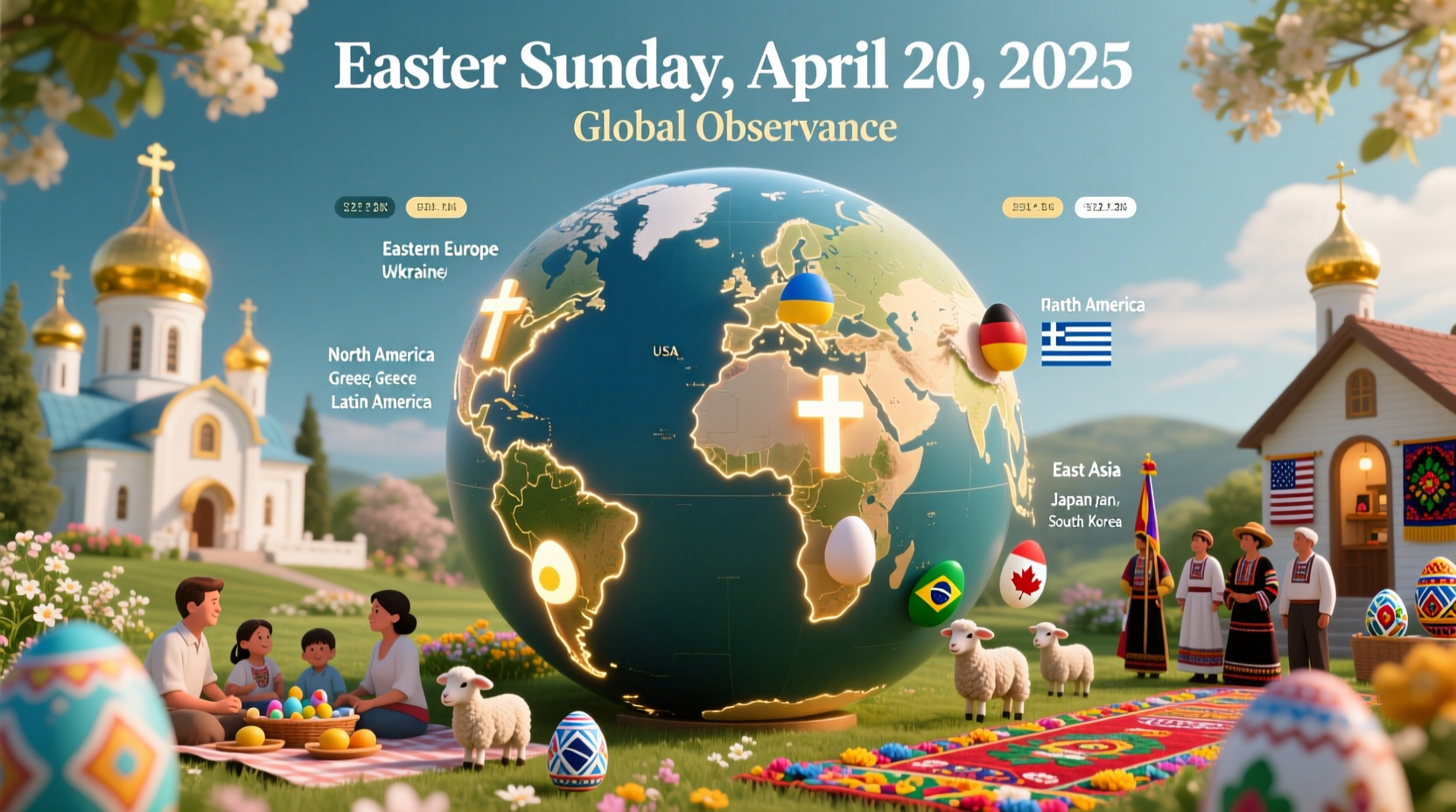
Easter in 2025 was celebrated on Sunday, April 20. This date marks the culmination of Holy Week and is central to the Christian liturgical calendar as the day of Jesus Christ’s resurrection. For those searching for when Easter Sunday fell in 2025 or looking to understand how the date is determined each year, this article provides a comprehensive overview of the historical, religious, and cultural dimensions behind when was 2025 Easter, along with insights into regional observances, retail operations, and common misconceptions surrounding the holiday.
The Significance of Easter in Christianity
Easter is the most important festival in the Christian faith, commemorating the resurrection of Jesus Christ from the dead, as described in the New Testament. According to biblical accounts, Jesus was crucified on Good Friday and rose again three days later—on the first day of the week, Sunday—signifying victory over sin and death. The theological importance of Easter cannot be overstated; it forms the foundation of Christian belief in salvation and eternal life.
The period leading up to Easter includes Lent, a 40-day season of fasting, prayer, and penance that begins on Ash Wednesday. Holy Week, the final week of Lent, features key observances such as Palm Sunday (Jesus’ triumphal entry into Jerusalem), Maundy Thursday (the Last Supper), Good Friday (the crucifixion), and culminates in the Easter Vigil and Easter Sunday services. These rituals are observed by Catholics, Orthodox Christians, Protestants, and other denominations around the world, though dates may vary slightly due to differing calendars.
How Is the Date of Easter Determined?
Unlike fixed holidays like Christmas, Easter is a moveable feast, meaning its date changes annually. The determination of when was 2025 Easter follows an ecclesiastical rule established centuries ago: Easter falls on the first Sunday after the first full moon occurring on or after the vernal (spring) equinox, which is fixed at March 21 in church calculations.
This system originated at the First Council of Nicaea in 325 AD, where early church leaders sought to standardize the celebration of Easter across Christendom. However, differences between the Gregorian calendar (used in Western Christianity) and the Julian calendar (still used by many Eastern Orthodox churches) often result in different Easter dates. In 2025, both Western and most Eastern churches coincided on April 20, but this alignment does not occur every year.
Global Observance of Easter 2025
Easter is celebrated in over 100 countries worldwide, either as a public holiday or through religious and cultural traditions. While predominantly observed in Christian-majority nations, its influence extends into secular culture through symbols like the Easter bunny, egg hunts, and family gatherings.
In 2025, major countries observing Easter included:
- United States: Easter Sunday was April 20, with federal recognition limited but widespread closures among schools, banks, and some businesses. Retailers varied in hours, with many opening late or remaining closed.
- Canada: Also observed Easter Sunday on April 20. Statutory holiday status varies by province; federally regulated workers received time off.
- Australia and New Zealand: Both nations celebrated Easter long weekend from April 18–21, including Good Friday, Easter Monday, and the Sunday in between.
- United Kingdom: Easter followed the same April 20 date, with bank holidays on Good Friday and Easter Monday (except in Scotland, where only Good Friday is officially recognized).
- Germany: A largely Catholic and Protestant nation, Germany observed strict church attendance and traditional customs such as decorated eggs and Osterbaum (Easter trees).
- Papua New Guinea: One of the most vibrant celebrations occurred here, blending indigenous customs with Christian worship in remote villages.
Eastern Orthodox countries such as Russia, Greece, and Serbia typically celebrate Easter later than Western churches, but in 2025, their calculations aligned with the Gregorian calendar, resulting in shared observance on April 20.
| Country | Easter Date 2025 | Public Holiday? | Key Traditions |
|---|---|---|---|
| United States | April 20 | No (federal) | Easter egg hunts, church services, family meals |
| Canada | April 20 | Varies by province | Candy baskets, sunrise services |
| Australia | April 20 | Yes (long weekend) | Hot cross buns, community festivals |
| Germany | April 20 | Yes | Osterfeuer (Easter fires), decorated trees |
| Greece | April 20 | Yes | Midnight Resurrection service, lamb dinner |
| Brazil | April 20 | Yes | Processions, religious theater, chocolate eggs |
Retail and Business Operations During Easter 2025
For consumers planning shopping trips or travel, knowing whether stores were open on Easter Sunday 2025 was crucial. In general, major retailers in North America and Europe operated under reduced hours or remained fully closed, especially in regions with strong religious traditions.
In the U.S., national chains like Walmart, Target, and Costco remained closed on Easter Sunday, while pharmacies such as CVS and Walgreens opened limited locations. Grocery stores often opened for shorter hours, particularly in suburban and rural areas. Online shopping platforms continued normal operations, making e-commerce a popular alternative.
In contrast, countries like the UK saw nearly all non-essential retail closed on Easter Sunday, in accordance with trading laws. Exceptions included convenience stores, gas stations, and tourist-area shops. Australia permitted partial openings depending on state regulations, with Victoria allowing larger stores to operate under restricted hours.
Travelers should always verify local business hours before visiting unfamiliar regions. Checking official retailer websites or municipal announcements ensures accurate, up-to-date information tailored to specific cities or provinces.
Cultural Symbols and Secular Celebrations
While rooted in religious tradition, Easter has evolved to include numerous secular elements, particularly in Western societies. The Easter bunny, believed to have Germanic origins, delivers colored eggs and treats to children, much like Santa Claus during Christmas. Egg decorating remains a popular activity, symbolizing new life and rebirth—themes aligned with springtime renewal.
Chocolate manufacturers heavily market confectionery items such as chocolate bunnies, marshmallow chicks (Peeps), and foil-wrapped eggs. In 2025, global sales of Easter candy reached billions of dollars, with the U.S. accounting for the largest share. Many families also participate in organized egg hunts held in parks, churches, or private backyards.
Despite commercialization, efforts persist to maintain the spiritual focus of the holiday. Churches offered special programming, including outdoor sunrise services, youth events, and community outreach initiatives like free breakfasts or clothing drives.
Common Misconceptions About Easter Dates
One frequent misunderstanding concerns why Easter's date changes each year. Some assume it falls on a fixed weekend or believe it always occurs in early April. In reality, Easter can range from March 22 to April 25, depending on lunar cycles and the equinox.
Another misconception involves the idea that all Christians celebrate Easter on the same day. Due to calendar differences, Eastern Orthodox churches often observe Easter one to five weeks later than Western churches. However, in 2025, both traditions converged on April 20—a relatively rare occurrence that happens roughly once every decade.
Additionally, people sometimes confuse Easter Monday with a universal public holiday. While it is a statutory day off in Canada, the UK, and parts of Europe, it is not recognized federally in the United States, although some employers may grant discretionary leave.
How to Prepare for Future Easters
Whether planning religious observance, family gatherings, or retail strategies, anticipating future Easter dates helps individuals and organizations prepare effectively. Here are practical tips:
- Check Liturgical Calendars: Churches release annual schedules months in advance. Review bulletins or diocesan websites for Holy Week service times.
- Plan Travel Early: Easter weekend is a peak travel period in many countries. Book accommodations and transportation well ahead of time.
- Monitor Retail Schedules: Major stores announce holiday hours in March. Follow brand social media channels or visit corporate sites for updates.
- Host Meaningful Gatherings: Combine tradition with creativity—organize intergenerational activities like baking hot cross buns or crafting natural dyes for eggs.
- Support Local Communities: Volunteer at shelters or donate food baskets to honor Easter’s themes of compassion and renewal.
Frequently Asked Questions
- Was Easter in 2025 on the same date worldwide?
- Yes, in 2025, both Western and most Eastern Orthodox churches celebrated Easter on April 20, though this alignment does not happen every year.
- Is Easter a federal holiday in the United States?
- No, Easter Sunday is not a federal holiday in the U.S., so government offices and post offices remain open, though many businesses and schools close voluntarily.
- Why does the date of Easter change every year?
- Easter is based on the lunar calendar and set as the first Sunday after the first full moon following the spring equinox (March 21).
- What time did Easter Sunday services start in 2025?
- Service times varied by denomination and location, but common times included early morning sunrise services (6–7 AM) and traditional masses at 9–11 AM.
- Were grocery stores open on Easter Sunday 2025?
- Most major grocery chains were closed or operated on reduced hours. Smaller markets and convenience stores often remained open.
In conclusion, when was 2025 Easter is clearly answered: Sunday, April 20. This date unified millions of Christians globally in worship and reflection, while also serving as a moment of cultural celebration and family connection. Understanding how the date is calculated, how it is observed across cultures, and what to expect in terms of commerce and tradition empowers individuals to engage meaningfully with this enduring holiday.





 浙公网安备
33010002000092号
浙公网安备
33010002000092号 浙B2-20120091-4