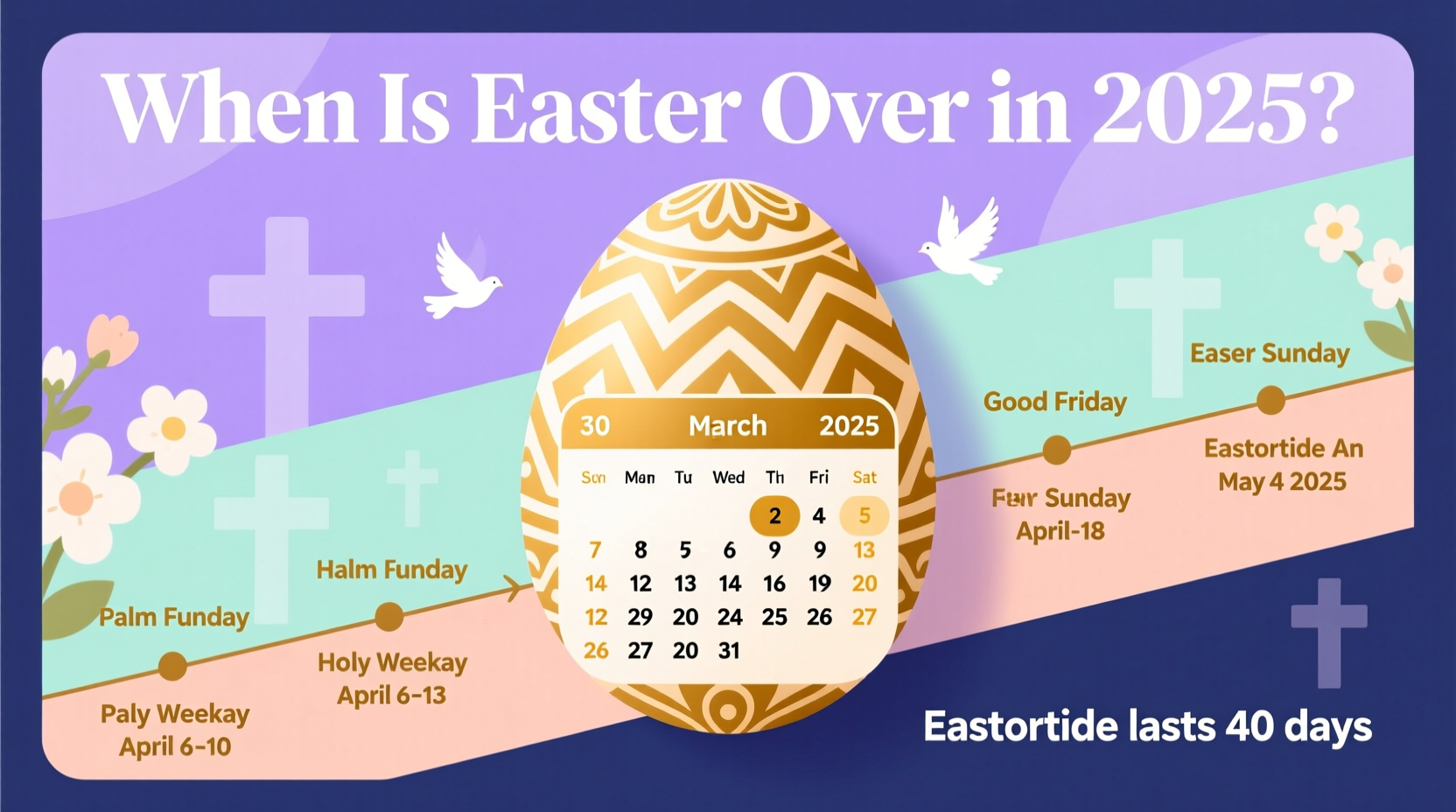
Easter is traditionally observed as a single day on April 20, 2025, but the full Easter season extends for 50 days, concluding on Pentecost, which falls on June 8, 2025. Understanding when is Easter over requires distinguishing between the one-day public celebration and the longer Christian liturgical period known as Eastertide. While most retail and cultural festivities wrap up by Easter Monday or Tuesday, the religious significance continues through seven weeks of joyful worship, culminating in Pentecost Sunday. This comprehensive guide explores the exact end dates of Easter in 2025, the historical roots of the Easter season, regional variations in observance, and practical tips for families, churches, and retailers navigating the post-Easter period.
What Defines the End of Easter: A Single Day or a 50-Day Season?
The confusion around when is Easter over stems from differing definitions—cultural, commercial, and religious. For many, Easter Sunday marks the peak, followed by a swift return to normal routines. However, in Christian tradition, Easter is not just a day but a season. The Easter season, or Eastertide, begins on Easter Sunday and lasts for 50 days, ending with Pentecost, the feast commemorating the descent of the Holy Spirit upon the apostles. Therefore, while candy sales may drop by Easter Monday, the liturgical celebration remains active until early June.
Easter 2025: Key Dates You Need to Know
In 2025, Easter Sunday falls on April 20. Here are the key dates marking the beginning and end of the Easter season:
| Date | Event | Significance |
|---|---|---|
| April 13, 2025 | Palm Sunday | Start of Holy Week |
| April 17, 2025 | Maundy Thursday | Commemorates the Last Supper |
| April 18, 2025 | Good Friday | Crucifixion of Jesus |
| April 20, 2025 | Easter Sunday | Resurrection of Jesus; peak celebration |
| April 21, 2025 | Easter Monday | Public holiday in many countries |
| May 29, 2025 | Ascension Day | 40 days after Easter; Jesus' ascension into heaven |
| June 8, 2025 | Pentecost Sunday | End of the Easter season; 50th day |
Thus, if you're asking when does Easter officially end, the answer depends on context: culturally, it’s often over by April 21; religiously, it concludes on June 8.
Historical Origins of the Easter Season
The 50-day Easter season has deep roots in early Christianity. Originating in the 2nd century, the period was established to emphasize the resurrection as the cornerstone of Christian faith. The counting of 50 days mirrors the Jewish festival of Shavuot, which occurs 50 days after Passover. Early Christians adopted this timeline to highlight the continuity between Old Testament traditions and the new covenant fulfilled in Christ.
The term Eastertide comes from medieval English and refers to the entire festive period following Easter Sunday. During this time, fasting is prohibited, and the liturgical color white or gold dominates church decorations, symbolizing joy and purity. Hymns like "Christ the Lord Is Risen Today" and "Jesus Christ Is Risen" are sung throughout the season, reinforcing the ongoing celebration.
Regional Differences in When Easter Is Considered Over
Countries vary widely in how long Easter is celebrated. In predominantly Christian nations, especially in Europe and Latin America, the holiday extends beyond Sunday:
- United Kingdom and Canada: Easter Monday is a public holiday. Most schools and government offices remain closed, but businesses resume operations by Tuesday. Retailers typically end Easter promotions by Monday night.
- Germany and Austria: Easter markets and family gatherings often continue through Easter Tuesday. Some regions observe "Easter Fires" (Osterfeuer) late into the weekend.
- Italy and Spain: Religious processions may occur throughout the week following Easter. In rural areas, festivals can last up to a week.
- United States: No federal holiday on Easter Monday. Most Americans treat Easter as a Sunday-only event, though some Catholic and Orthodox communities maintain liturgical observances through Ascension and Pentecost.
- Australia: Similar to the U.S., Easter Sunday is the main event, but Easter Monday is a public holiday. School holidays often extend through the full week, allowing families to travel.
Orthodox Christian communities, which follow the Julian calendar, celebrate Easter later than Western churches. In 2025, Orthodox Easter falls on April 20 as well—a rare alignment—but their Pentecost still lands on June 8, meaning their Easter season ends on the same date.
How Churches Observe the Full Easter Season
For many denominations—including Roman Catholic, Anglican, Lutheran, and Methodist—the Easter season is marked by specific liturgical practices:
- Altar decorations: White or gold paraments remain throughout Eastertide. Flowers, especially lilies, stay prominent.
- Liturgy: The Gloria and Alleluia, absent during Lent, return and are emphasized weekly.
- Scripture readings: Focus on post-resurrection appearances of Jesus and the early Church.
- Baptismal remembrance: Many parishes encourage newly baptized members (often from Easter Vigil) to reflect on their faith journey throughout the season.
Ascension Day, occurring 40 days after Easter (May 29 in 2025), is sometimes moved to the following Sunday for practical reasons. Pentecost, the final day, is marked by red vestments symbolizing the Holy Spirit and often includes special music and confirmation ceremonies.
Commercial vs. Religious End Dates: What You Should Know
Retailers and marketers operate on a much shorter timeline than churches. Understanding when is Easter over for sales and promotions is crucial for shoppers and business owners alike.
Most major retailers begin discounting Easter items—chocolate, baskets, decorations—by Easter Monday. By Tuesday, markdowns often reach 50–70%. By the end of the week, shelves are typically cleared. This rapid wind-down reflects inventory turnover strategies and seasonal demand patterns.
For small businesses and craft vendors, extending Easter-themed offerings into early May can be profitable, especially if targeting niche markets or liturgical consumers who appreciate devotional items throughout Eastertide.
Common Misconceptions About When Easter Ends
Several myths persist about the duration of Easter:
- Misconception 1: "Easter is just one day." While culturally accurate for many, this overlooks the theological depth of a 50-day season.
- Misconception 2: "Pentecost is unrelated to Easter." In fact, Pentecost is the culmination of the Easter narrative—the empowerment of the Church by the Holy Spirit.
- Misconception 3: "All Christians celebrate Easter the same way." Practices vary significantly between denominations and cultures.
- Misconception 4: "Once Easter Sunday passes, the holiday is over." For millions, spiritual reflection and celebration continue for weeks.
How to Prepare for the Post-Easter Period
Whether you're a parent, pastor, teacher, or retailer, planning ahead helps manage the transition:
- Families: Use the Easter season to deepen faith discussions. Read one resurrection account per week. Visit churches on Ascension or Pentecost.
- Church leaders: Plan themed sermons, prayer groups, or service projects that span the 50 days.
- Teachers: Incorporate lessons on the meaning of Pentecost or comparative holiday timelines.
- Retailers: Schedule post-Easter sales strategically. Consider donating unsold items to charities or shelters.
Tips for Extending the Spirit of Easter Beyond April
The joy of Easter doesn’t have to fade with the chocolate bunnies. Here are actionable ways to keep the season alive:
- Light an Easter candle each Sunday until Pentecost.
- Participate in a Bible study focused on the Acts of the Apostles.
- Perform acts of kindness in honor of the resurrection’s message of hope.
- Attend a Pentecost service to experience the full arc of the Easter story.
FAQs About When Easter Is Over
- When does the Easter season officially end in the Catholic Church?
- The Easter season ends on Pentecost Sunday, June 8, 2025. This is consistent across Roman Catholic and most Western Christian traditions.
- Is Easter Monday the last day of Easter?
- No. While it's the last public holiday in many countries, it marks only the second day of the 50-day Easter season.
- Do all Christians celebrate Easter for 50 days?
- Most liturgical denominations do observe Eastertide, but many Protestant and non-liturgical churches focus primarily on Easter Sunday.
- What happens after Easter in the Christian calendar?
- After Pentecost, the liturgical year enters Ordinary Time, a period of growth and discipleship.
- Can I still say 'Happy Easter' after Sunday?
- Yes! In Christian tradition, it’s appropriate to greet others with 'Happy Easter' throughout the entire season, even in May.
In conclusion, answering when is Easter over involves recognizing multiple layers of meaning. Culturally, Easter 2025 ends shortly after April 20. Commercially, most activities cease within days. But spiritually and liturgically, Easter continues until June 8. By understanding these distinctions, individuals and communities can better appreciate the full scope of this central Christian celebration and plan accordingly—whether for worship, shopping, or family traditions.





 浙公网安备
33010002000092号
浙公网安备
33010002000092号 浙B2-20120091-4