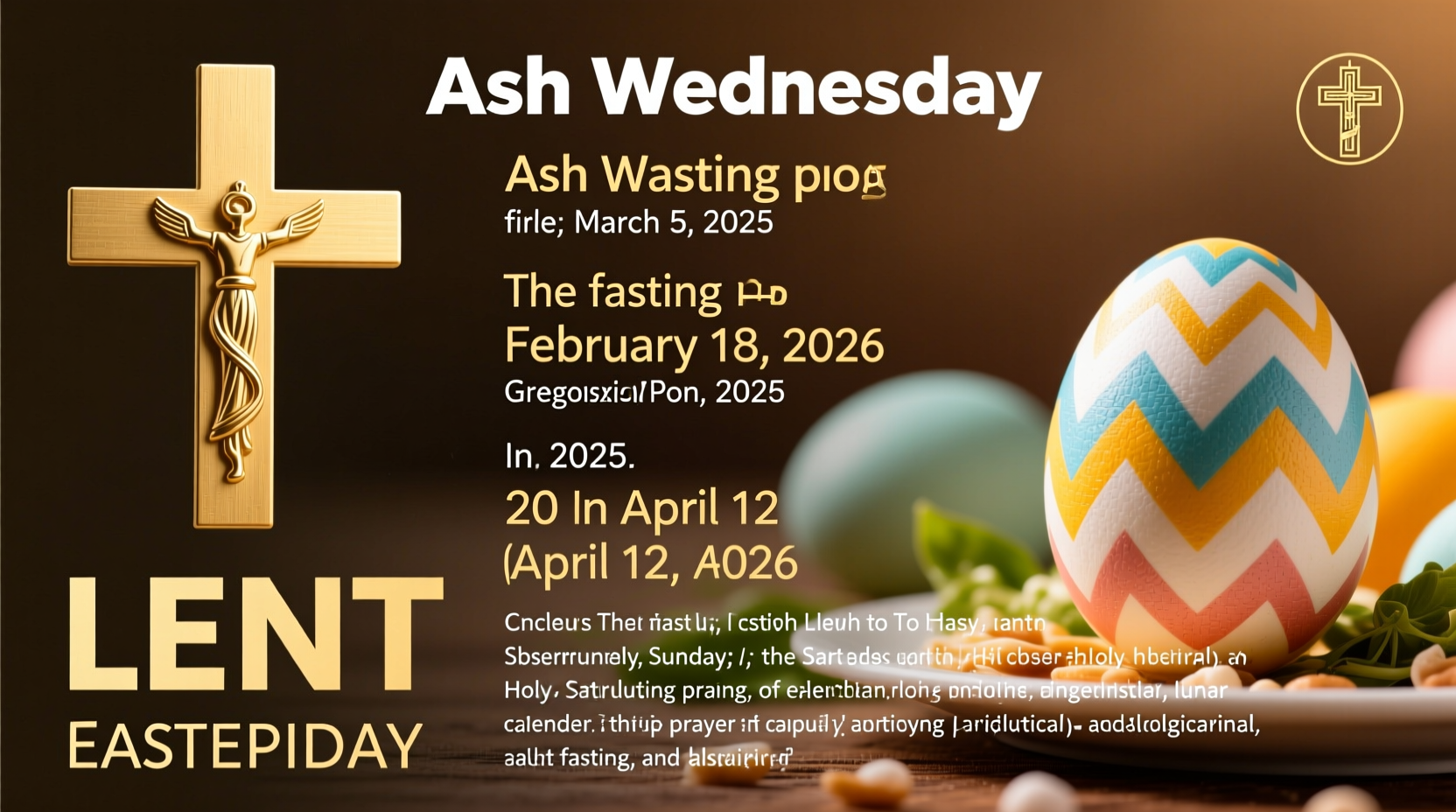
Easter fasting typically begins on Ash Wednesday, which marks the start of Lent in Western Christianity. In 2025, Ash Wednesday falls on March 5, meaning Easter fasting starts that day. For those following the Eastern Orthodox Church, Great Lent begins on Monday, March 10, 2025—known as Clean Monday—making this the official start of Easter fasting in the Orthodox tradition. Understanding when does the Easter fasting start each year is essential for believers preparing spiritually and physically for Easter Sunday, a cornerstone of the Christian liturgical calendar.
What Is Easter Fasting and Why Is It Practiced?
Easter fasting is a period of spiritual discipline observed by millions of Christians worldwide in preparation for Easter, the celebration of Jesus Christ’s resurrection. This practice is rooted in biblical tradition, particularly Jesus’ 40-day fast in the wilderness before beginning His public ministry (Matthew 4:1–2). The fasting period symbolizes sacrifice, repentance, and renewal, helping believers reflect on their faith and deepen their relationship with God.
In both Western (Catholic, Protestant) and Eastern (Orthodox) Christian traditions, fasting involves abstaining from certain foods—especially meat, dairy, and rich foods—and increasing prayer, almsgiving, and acts of charity. While practices vary, the core purpose remains consistent: to prepare the heart and mind for the joy of Easter through self-denial and spiritual focus.
When Does Easter Fasting Start in Western Christianity?
In the Roman Catholic and many Protestant denominations, Easter fasting officially begins on Ash Wednesday, which is 46 days before Easter Sunday. This includes 40 days of Lent plus six Sundays, which are not counted as fasting days since each Sunday celebrates the Resurrection.
The date of Ash Wednesday changes annually because it depends on the date of Easter, which is calculated based on the first Sunday after the first full moon following the spring equinox (March 21). As such, Easter can fall as early as March 22 or as late as April 25, affecting when Easter fasting starts.
Here are upcoming dates for Ash Wednesday:
| Year | Easter Sunday | Ash Wednesday | Start of Easter Fasting (Western) |
|---|---|---|---|
| 2025 | April 20 | March 5 | March 5, 2025 |
| 2026 | April 5 | February 18 | February 18, 2026 |
| 2027 | March 28 | February 10 | February 10, 2027 |
| 2028 | April 16 | March 1 | March 1, 2028 |
For example, knowing when does the Easter fasting start in 2026 helps families plan meals, church attendance, and Lenten devotions in advance.
When Does Easter Fasting Begin in Eastern Orthodoxy?
The Eastern Orthodox Church follows the Julian calendar for liturgical purposes, which often results in a different Easter date than the Gregorian calendar used in the West. Consequently, the start of Easter fasting also differs.
Orthodox Great Lent begins on Clean Monday, which is equivalent to the first day of Lent but occurs later than Ash Wednesday. Unlike the Western tradition, Orthodox Lent excludes weekends from the 40-day count, so the fasting period runs Monday through Friday for seven weeks, plus Holy Week.
In 2025, Orthodox Easter (Pascha) is celebrated on April 20, the same date as Western Easter—a rare alignment. Therefore, Clean Monday falls on March 10, 2025, marking the start of Easter fasting in the Orthodox tradition.
However, in years when Orthodox Easter is later, such as 2026 (April 12), Clean Monday will be on March 16, 2026. This variation highlights why it’s important to know when does the Easter fasting start according to one’s specific denomination and calendar.
Key Differences Between Western and Eastern Fasting Practices
While both traditions emphasize fasting and penitence, there are notable differences in how and when Easter fasting starts and is observed:
- Duration and Structure: Western Lent is 40 days excluding Sundays; Orthodox Great Lent is 40 continuous weekdays plus Holy Week, totaling 48 days of fasting.
- Dietary Rules: Catholics traditionally abstain from meat on Ash Wednesday and all Fridays of Lent, while Orthodox followers avoid meat, dairy, eggs, fish, oil, and wine on most fasting days.
- Start Date: Ash Wednesday (Western) vs. Clean Monday (Eastern).
- Spiritual Emphasis: Both focus on repentance, but Orthodox Lent includes more rigorous ascetic practices and structured prayer services like Presanctified Liturgy.
These distinctions mean that individuals must understand their own church’s guidelines when determining when does the Easter fasting start and how strictly to observe it.
How to Prepare for Easter Fasting
Preparation is key to a meaningful Lenten season. Here are practical steps to help you get ready:
- Mark Your Calendar: Note the date of Ash Wednesday or Clean Monday well in advance. Set reminders to begin your spiritual and dietary preparations.
- Review Church Guidelines: Consult your parish priest or denomination’s official resources to understand fasting rules, especially if you’re new to the practice.
- Plan Your Meals: Gradually reduce rich foods before Lent begins. Stock up on Lent-friendly ingredients like legumes, vegetables, and whole grains.
- Set Spiritual Goals: Decide on daily prayers, Bible reading plans, or charitable actions to incorporate during the fasting period.
- Involve Family: Share the meaning of Lent with children through age-appropriate activities like Lenten calendars or service projects.
Knowing when does the Easter fasting start allows you to transition smoothly into this sacred season without last-minute confusion.
Common Misconceptions About Easter Fasting
Several myths surround Easter fasting, leading to confusion about its purpose and timing:
- Misconception 1: “Fasting means not eating at all.”
Reality: Most traditions allow one full meal and two smaller meals that together don’t equal a full meal. The focus is moderation, not starvation. - Misconception 2: “Lent starts on the same day every year.”
Reality: Because Easter’s date varies, when does the Easter fasting start shifts annually between February and March. - Misconception 3: “Only Catholics fast for Easter.”
Reality: Many Protestant denominations (e.g., Anglicans, Lutherans) and especially Orthodox Christians observe Lent with deep devotion. - Misconception 4: “Sundays don’t count in Lent.”
Reality: Correct in the West—Sundays are feast days celebrating the Resurrection, so fasting is relaxed. But in Orthodoxy, some fasting continues on Sundays except for certain allowances.
Regional and Denominational Variations
Fasting customs can vary significantly by region and church tradition:
- In Greece and Cyprus, Clean Monday is a public holiday marked by outdoor picnics with fasting foods like taramasalata and lagana bread.
- In Latin America, Carnival ends on Fat Tuesday (Mardi Gras), followed immediately by Ash Wednesday, making the contrast between indulgence and austerity stark.
- In Ethiopia, Orthodox Tewahedo Christians observe a stricter 55-day fast called Hudadi, beginning earlier and lasting longer than standard Lent.
- Some Anglican and Methodist churches encourage voluntary fasting without strict dietary mandates, focusing instead on giving up habits like social media or negativity.
Always verify local practices by checking with your religious community, as even within denominations, interpretations may differ.
Tips for Observing Easter Fasting Successfully
To make the most of your Lenten journey, consider these tips:
- Start Small: If fasting is new, begin by abstaining from one item (e.g., sweets or alcohol) rather than overhauling your diet.
- Stay Hydrated: Drink plenty of water, especially if reducing food intake.
- Use Technology: Download Lenten devotion apps or set daily reminders for prayer and reflection.
- Practice Almsgiving: Redirect money saved from skipped meals or luxuries to charities or church collections.
- Be Flexible: Illness, pregnancy, or demanding work schedules may require adjustments. Fasting should enhance, not harm, your well-being.
Conclusion: Knowing When Easter Fasting Starts Matters
Understanding when does the Easter fasting start is more than just marking a date—it’s about entering a transformative spiritual season with intention and clarity. Whether you follow the Western tradition starting on Ash Wednesday or the Eastern path beginning on Clean Monday, the Lenten period offers a unique opportunity for growth, reflection, and renewal.
By planning ahead, respecting denominational guidelines, and focusing on both internal and external disciplines, believers can fully embrace the journey toward Easter. As the dates shift each year, staying informed ensures you’re never caught off guard and can begin your observance with peace and purpose.
Frequently Asked Questions
When does Easter fasting start in 2025?
In 2025, Easter fasting begins on March 5, 2025 (Ash Wednesday) for Western Christians and on March 10, 2025 (Clean Monday) for Eastern Orthodox believers.
Is Ash Wednesday the same as the start of Lent?
Yes, Ash Wednesday is the first day of Lent in Western Christianity and marks the beginning of Easter fasting for Catholics and many Protestants.
Do all Christians fast before Easter?
No, not all Christians observe fasting. While common in Catholic, Orthodox, and some mainline Protestant traditions, evangelical and non-liturgical churches may not emphasize Lenten fasting.
Can I eat fish during Easter fasting?
In Western traditions, fish is usually allowed on Fridays during Lent. In Eastern Orthodoxy, fish is generally prohibited except on designated feast days like the Annunciation (March 25).
How long does Easter fasting last?
Western Lent lasts 40 days (excluding Sundays) from Ash Wednesday to Holy Saturday. Orthodox Great Lent spans 48 days, including Holy Week, starting on Clean Monday.




 浙公网安备
33010002000092号
浙公网安备
33010002000092号 浙B2-20120091-4