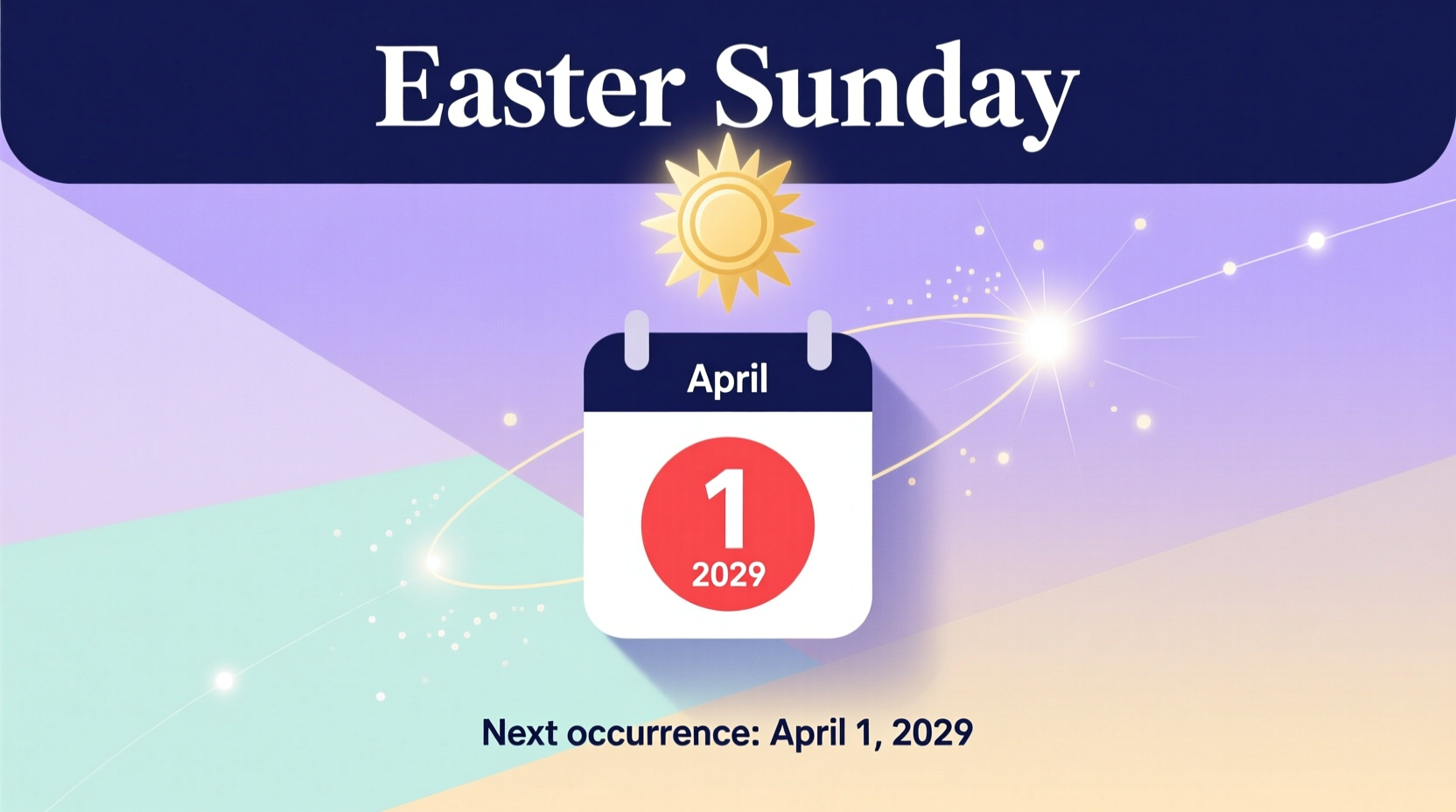
Easter falls on April 1st in specific years determined by a complex ecclesiastical calculation based on the lunar calendar and the spring equinox. The most recent time Easter was celebrated on April 1st was in 2018, and the next occurrence will be in 2029. Understanding when does Easter fall on April 1st requires insight into the historical rules established by the Council of Nicaea in 325 AD, which set Easter as the first Sunday after the first full moon following the vernal (spring) equinox. Because this system relies on astronomical events and church traditions rather than a fixed calendar date, Easter can occur as early as March 22 or as late as April 25. This variability explains why Easter lands on April 1st only occasionally, making such years notable for both religious observance and cultural reference.
The Historical Origins of Easter’s Date
The timing of Easter is rooted in early Christian efforts to align the celebration of Christ’s resurrection with existing Jewish and pagan spring festivals. Passover, a key event in the Passion narrative, occurs during the Hebrew month of Nisan, which is tied to the lunar cycle. Early Christians sought to maintain a connection between Easter and Passover while also distinguishing their faith from Judaism. By the 4th century, disagreement among churches about when to observe Easter prompted Emperor Constantine to convene the Council of Nicaea in 325 AD.
At this council, church leaders agreed that Easter should be celebrated on the first Sunday after the first ecclesiastical full moon occurring on or after the vernal equinox, fixed at March 21 regardless of the actual astronomical equinox. This rule ensured uniformity across Christendom and separated the calculation from direct dependence on the Hebrew calendar. The resulting system, known as the Computus, uses a combination of solar and lunar cycles to determine Easter’s date each year. It is this method that causes Easter to shift annually and occasionally land precisely on April 1st.
Why Easter’s Date Changes Every Year
Unlike fixed holidays such as Christmas (December 25), Easter is a moveable feast. Its date depends on three interlocking factors: the solar calendar (March 21 equinox), the lunar calendar (full moon), and the weekly cycle (Sunday). Since the moon completes its phases every 29.5 days, and the Gregorian calendar operates on a 365.25-day solar year, these systems do not align perfectly from year to year. As a result, the ecclesiastical full moon used in Easter calculations—based on tables rather than real-time astronomy—shifts relative to the civil calendar.
This means that even if the actual full moon appears on March 20, the church may still use March 21 as the earliest possible starting point. If the first full moon after March 21 occurs on March 22, and that day is a Saturday, Easter would be observed the next day, March 23. Conversely, if the full moon falls on March 20 but the equinox is considered March 21, then the next full moon determines the date. These nuances explain why Easter sometimes falls on April 1st and other times weeks earlier or later.
Years When Easter Falls on April 1st
Easter landing on April 1st is relatively rare due to the precise alignment required between the equinox, full moon, and Sunday. Below is a table showing recent and upcoming years when Easter Sunday coincides with April Fool’s Day:
| Year | Easter Date | Notes |
|---|---|---|
| 1956 | April 1 | Last occurrence before modern era |
| 1979 | April 1 | Celebrated during late 20th-century revival of liturgical traditions |
| 2018 | April 1 | Most recent occurrence; drew media attention due to April Fools’ overlap |
| 2029 | April 1 | Next scheduled occurrence |
| 2040 | April 1 | Future occurrence in mid-21st century |
As shown, Easter falls on April 1st roughly once every few decades. The gap between occurrences varies because the Metonic cycle—a 19-year period after which lunar phases recur on the same dates—interacts with leap years and calendar adjustments. In 2018, the convergence sparked lighthearted commentary about whether the resurrection could be an elaborate prank, though religious communities maintained solemn observance.
Regional Differences in Observing Easter
While Western Christianity (Catholic, Protestant, Anglican) follows the Gregorian calendar for calculating Easter, Eastern Orthodox Churches use the older Julian calendar, which currently runs 13 days behind. As a result, Orthodox Easter often occurs later than Western Easter—sometimes in May—and never coincides with April 1st under current alignments. For example, in 2018, Western Easter was on April 1, but Orthodox Easter fell on April 8. This divergence highlights how cultural and theological traditions influence the interpretation of the same foundational rules.
In countries like Greece, Russia, Ukraine, and Serbia, Orthodox Easter is a major national holiday with unique customs such as red-dyed eggs, midnight liturgies, and lamb feasts. Meanwhile, in predominantly Western nations—including the United States, Canada, Germany, and Australia—Easter on April 1st may coincide with school holidays, retail promotions, and community egg hunts. Some retailers adjust hours or run special sales, particularly on chocolate and seasonal décor, though services generally remain open unless April 1st also falls on a weekday with limited staffing.
Common Misconceptions About Easter’s Date
One widespread misunderstanding is that Easter is randomly assigned or influenced by secular trends. In reality, its date is calculated using a formal algorithm adopted globally by Western Christian churches. Another myth is that Easter always falls in April; however, it can occur in late March, as it did in 2016 (March 27) and will again in 2024 (March 31). Additionally, some believe that climate or regional seasons affect the date, but Easter’s timing is purely based on the ecclesiastical calendar, not agricultural or meteorological conditions.
A related confusion involves the term “Pascha,” used in Eastern Christianity, which refers to the same event but follows different computational rules. This contributes to the perception that Easter “changes” arbitrarily, when in fact multiple consistent systems are at play. Clarifying when does Easter fall on April 1st helps dispel myths and underscores the mathematical precision behind what might otherwise seem unpredictable.
How to Predict Future Easter Dates
For individuals planning religious events, travel, or family gatherings, anticipating future Easter dates is useful. A simple way to estimate is to remember that Easter typically falls one to four weeks after March 21. If the ecclesiastical full moon occurs shortly after March 21 and lands on a weekday, Easter will likely be in late March. If the full moon falls near the end of March or early April, Easter shifts into April—potentially landing on April 1st.
More accurately, online calculators and ecclesiastical tables provide exact dates decades in advance. The U.S. Naval Observatory and various religious institutions publish authoritative charts. Alternatively, a formula known as the Gauss algorithm can compute Easter’s date mathematically. While complex, it confirms that Easter on April 1st follows a discernible pattern, albeit infrequent.
Cultural Significance of Easter Falling on April 1st
When Easter falls on April 1st, it creates a unique intersection with April Fools’ Day, leading to playful comparisons in popular culture. Jokes circulate online suggesting the resurrection was the “original April Fools’ prank,” though such humor is generally seen as tongue-in-cheek rather than disrespectful. Some churches address the coincidence with sermons emphasizing truth and renewal, contrasting divine seriousness with human levity.
In educational settings, teachers may use the overlap to discuss calendar systems, astronomy, and cultural history. Children learning about both holidays can explore how societies mark time through religious and secular lenses. Retailers, meanwhile, navigate dual themes—selling both bunnies and prank toys—though Easter remains the dominant commercial focus, especially in confectionery and apparel markets.
Preparing for Easter on April 1st: Tips and Considerations
If you’re organizing a service, family meal, or community event for Easter on April 1st, consider the following:
- Verify local schedules: Some government offices or schools may treat April 1st as a regular workday despite Easter, so confirm closures in advance.
- Plan around potential pranks: In workplaces or schools holding Easter activities, clarify expectations to avoid confusion between celebration and joking.
- Check retail availability: Stores may discount Easter items rapidly after the holiday, so shopping early ensures better selection.
- Respect religious sensitivity: Avoid framing Easter as a joke, especially in multicultural environments where beliefs vary.
- Use digital tools: Calendar apps and liturgical planners can alert you to future Easter dates, helping with long-term planning.
Frequently Asked Questions
Q: Has Easter ever fallen on April 1st before?
A: Yes, Easter fell on April 1st in 1956, 1979, and most recently in 2018. The next occurrence will be in 2029.
Q: Why doesn’t Easter have a fixed date like Christmas?
A: Easter is linked to the Jewish Passover and the lunar calendar. The early Church decided it should follow the first Sunday after the first full moon after the spring equinox, making it a moveable feast.
Q: Do Orthodox Christians celebrate Easter on April 1st?
A: No. Because Orthodox churches use the Julian calendar, their Easter typically falls later than the Western date and does not align with April 1st in the Gregorian calendar.
Q: Is Easter on April 1st considered unlucky or special?
A: There is no religious significance to the date itself. Any perceived uniqueness comes from its coincidence with April Fools’ Day, which is culturally noted but not theologically meaningful.
Q: How can I find out when Easter will be in future years?
A: Reliable sources include the U.S. Naval Observatory website, Catholic liturgical calendars, or online Easter date calculators that use the Gregorian computus method.




 浙公网安备
33010002000092号
 浙B2-20120091-4