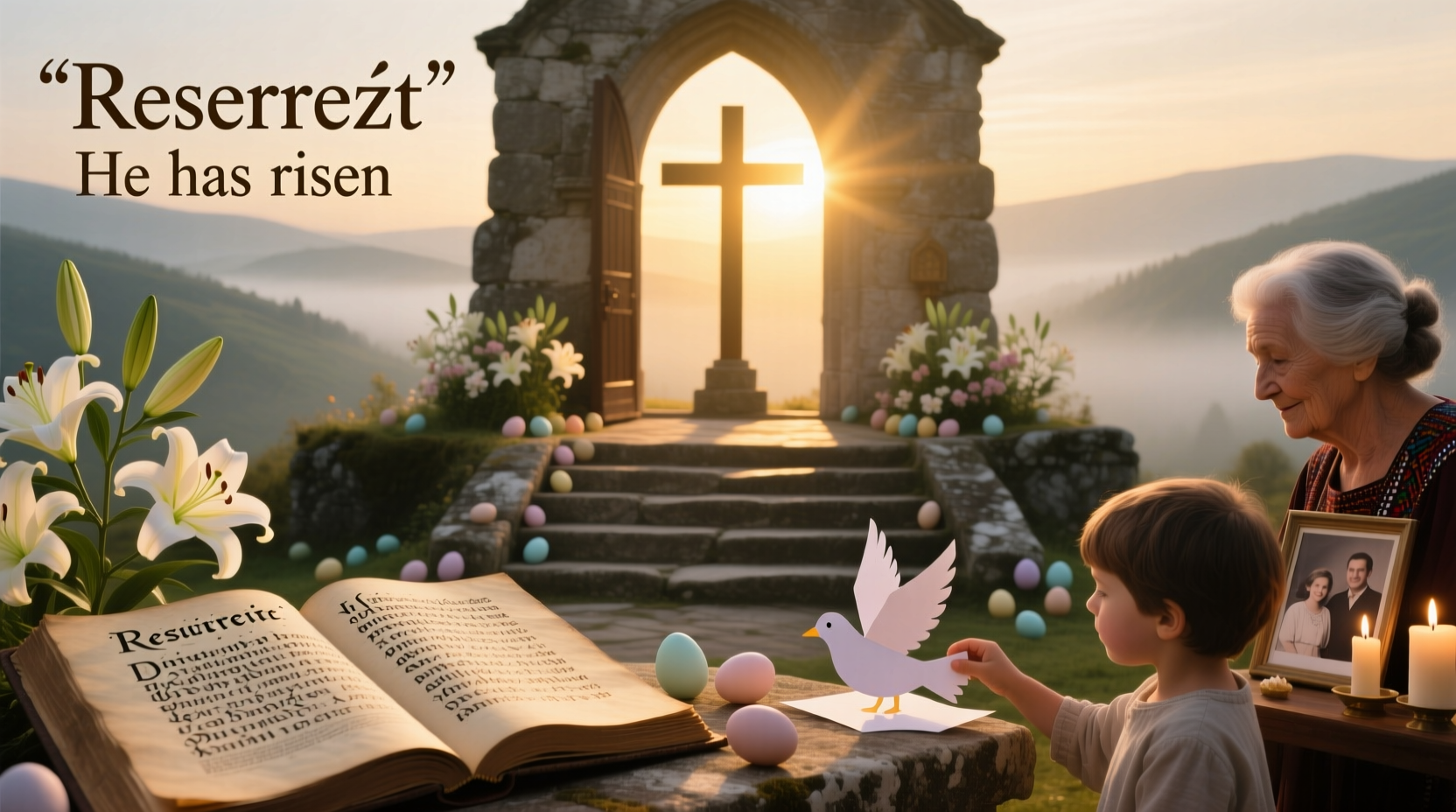
What really is Easter? At its core, Easter is the most important Christian holiday, commemorating the resurrection of Jesus Christ from the dead three days after his crucifixion. This event, described in the New Testament of the Bible, marks the fulfillment of divine prophecy and symbolizes victory over sin and death. The phrase 'what really is Easter' reflects a growing interest in understanding not just the surface-level customs like egg hunts and bunnies, but the deeper spiritual and historical roots behind this springtime celebration. For millions around the world, Easter is both a sacred religious observance and a moment of family gathering, renewal, and reflection.
Historical Origins of Easter
Easter’s origins are deeply rooted in both religious scripture and ancient seasonal festivals. The resurrection of Jesus, which Christians believe occurred on the third day following his crucifixion under Roman rule around 30–33 AD, forms the theological foundation of Easter. According to the Gospels—Matthew, Mark, Luke, and John—Jesus was buried in a tomb donated by Joseph of Arimathea, and on the Sunday morning following his death, the tomb was found empty. Angels announced his resurrection, and he appeared to his disciples over several weeks before ascending into heaven.
The word 'Easter' itself may derive from 'Ēostre,' a pre-Christian goddess associated with spring and fertility in Anglo-Saxon tradition, though scholars debate this etymology. The timing of Easter, however, is linked to the Jewish festival of Passover (Pesach), during which Jesus’ Last Supper and crucifixion took place. Early Christians sought to align their commemoration with the lunar calendar used in Judaism, leading to the development of complex calculations for determining the date each year.
How the Date of Easter Is Determined
Unlike fixed holidays such as Christmas, Easter is a movable feast. What really is Easter in terms of date? It falls on the first Sunday after the first full moon occurring on or after the spring equinox (March 21). This system was established by the Council of Nicaea in 325 AD to standardize the celebration across the Christian world. As a result, Easter can occur as early as March 22 and as late as April 25 in the Gregorian calendar used by Western Christianity.
Eastern Orthodox Churches often celebrate Easter on a different date because they follow the Julian calendar for liturgical purposes and use slightly different astronomical calculations. This means that Orthodox Easter (also called Pascha) frequently occurs one to five weeks later than Western Easter.
For example:
| Year | Western Easter | Orthodox Easter |
|---|---|---|
| 2024 | March 31 | May 5 |
| 2025 | April 20 | April 20 |
| 2026 | April 5 | April 12 |
| 2027 | March 28 | May 2 |
If you're asking 'when is Easter in 2026?'—the answer is April 5 for most Protestant, Catholic, and Anglican churches. But always verify local church calendars if observing liturgical events.
Religious Observances During Holy Week
The week leading up to Easter, known as Holy Week, includes several key observances:
- Palm Sunday: Commemorates Jesus’ triumphal entry into Jerusalem, where crowds welcomed him with palm branches.
- Maundy Thursday: Marks the Last Supper and Jesus’ commandment (mandatum) to love one another. Many churches hold foot-washing ceremonies.
- Good Friday: A solemn day remembering the crucifixion and death of Jesus. Services are somber, and some believers fast or abstain from meat.
- Holy Saturday: A day of waiting and reflection, representing the time Jesus spent in the tomb.
- Easter Sunday: Celebrated with joyful worship services, often beginning at sunrise to symbolize the dawn discovery of the empty tomb.
In many countries, attending church on Easter Sunday remains a central tradition, with special music, baptisms, and communion services.
Cultural Traditions and Secular Celebrations
While Easter is fundamentally a religious holiday, numerous cultural and secular customs have become widely associated with it. These include:
- Easter eggs: Symbolizing new life and rebirth, decorated eggs have been part of spring celebrations long before Christianity. Today, chocolate eggs and egg hunts are popular, especially among children.
- Easter Bunny: Originating in German folklore, the Osterhase (Easter hare) was believed to lay colored eggs in nests left by well-behaved children. Immigrants brought this tradition to America in the 18th century.
- Easter baskets: Filled with candy, toys, and sometimes religious items, these are often delivered by the Easter Bunny overnight.
- Easter meals: Families gather for festive dinners featuring lamb, ham, hot cross buns, or other regional dishes.
These symbols blend pagan spring motifs with Christian theology, creating a hybrid celebration that appeals across belief systems.
Which Countries Celebrate Easter?
Easter is observed in numerous countries around the world, both as a religious holiday and a public occasion. Some of the most notable include:
- United States: A major holiday with church services, family meals, and community egg hunts. Many businesses close on Good Friday or Easter Monday in certain regions.
- United Kingdom: Schools break for an 'Easter holiday,' and royal events like the Queen’s (now King’s) Easter message are broadcast.
- Italy: Vatican City hosts the Pope’s Easter Mass in St. Peter’s Square, drawing thousands. Italians enjoy colomba (dove-shaped cake) and attend processions.
- Spain: Famous for Semana Santa (Holy Week) parades with elaborate floats and penitents in traditional robes.
- Australia: Though Easter falls in autumn, traditions like chocolate bilbies (native animal substitutes for bunnies) reflect local culture.
- Philippines: Some communities practice real crucifixions as acts of devotion, though controversial and discouraged by Church authorities.
- Germany: Known for Osterbaum (Easter trees) decorated with eggs and folk art.
Even in non-Christian-majority nations like Japan and South Korea, Easter is increasingly recognized due to globalization and tourism, though primarily in commercial contexts.
Common Misconceptions About Easter
Many people wonder: 'Is Easter just about bunnies and candy?' While pop culture emphasizes fun elements, understanding what really is Easter reveals a far richer narrative. Common misconceptions include:
- Misconception: Easter has purely pagan origins.
Reality: While some symbols (eggs, hares) predate Christianity, the holiday itself centers on a historical religious event—the resurrection of Jesus. - Misconception: All Christians celebrate Easter on the same day.
Reality: Differences in calendars and calculation methods mean Eastern and Western churches often observe Easter on different Sundays. - Misconception: Easter is only celebrated in Western countries.
Reality: Over 2 billion Christians worldwide observe Easter, including large populations in Africa, Latin America, and Asia.
How to Prepare for Easter: Practical Tips
Whether observing Easter religiously or culturally, preparation enhances the experience:
- Check church schedules: Confirm service times, especially for special events like sunrise services or Good Friday liturgies.
- Plan family activities: Organize egg hunts, prepare traditional recipes, or create handmade decorations together.
- Shop early: Popular items like chocolate eggs, marshmallow peeps, and spring clothing sell out quickly.
- Teach children the meaning: Use age-appropriate books or videos to explain the story of Easter beyond the bunny myth.
- Support ethical brands: Choose fair-trade chocolate or eco-friendly egg dyes to align celebrations with personal values.
Regional Variations in Easter Practices
Easter customs vary widely based on geography and denomination:
- In Greece, red-dyed eggs symbolize Christ’s blood, and families crack them together saying 'Christos Anesti!' (Christ is Risen!)
- In Sweden, children dress as 'Easter witches' and go door-to-door for treats, blending Christian and folk traditions.
- In Ethiopia, Easter (Fasika) is preceded by a strict 55-day fast and celebrated with drumming, dancing, and feasting after midnight prayers.
- In Mexico, processions reenact the Passion of Christ, with participants carrying crosses through towns.
These variations show how local cultures interpret and express the universal themes of sacrifice, hope, and renewal.
Verifying Local Information
Because Easter involves both religious and civic elements, it’s wise to verify details locally. Retailers may have unusual hours on Good Friday or Easter Sunday. Public transportation might run on holiday schedules. To stay informed:
- Visit official church websites for service updates.
- Check city or transit authority announcements.
- Review store policies online before shopping trips.
- Follow community calendars for local events like parades or markets.
Frequently Asked Questions
- What really is Easter in simple terms?
- Easter is a Christian holiday celebrating Jesus Christ’s resurrection from the dead, observed with church services, family gatherings, and symbolic traditions like eggs and bunnies.
- Why does the date of Easter change every year?
- Easter is based on the lunar calendar—it falls on the first Sunday after the first full moon following the spring equinox (March 21).
- Do all countries celebrate Easter on the same day?
- No. Western churches (Catholic, Protestant) usually celebrate on a different date than Eastern Orthodox churches due to calendar differences.
- Is Easter only a religious holiday?
- No. While its origin is religious, many people celebrate Easter culturally with egg hunts, meals, and family time, regardless of faith.
- What is the significance of Easter eggs?
- Eggs symbolize new life and resurrection. Historically, they were forbidden during Lent and then eaten on Easter as a sign of joy and renewal.





 浙公网安备
33010002000092号
浙公网安备
33010002000092号 浙B2-20120091-4