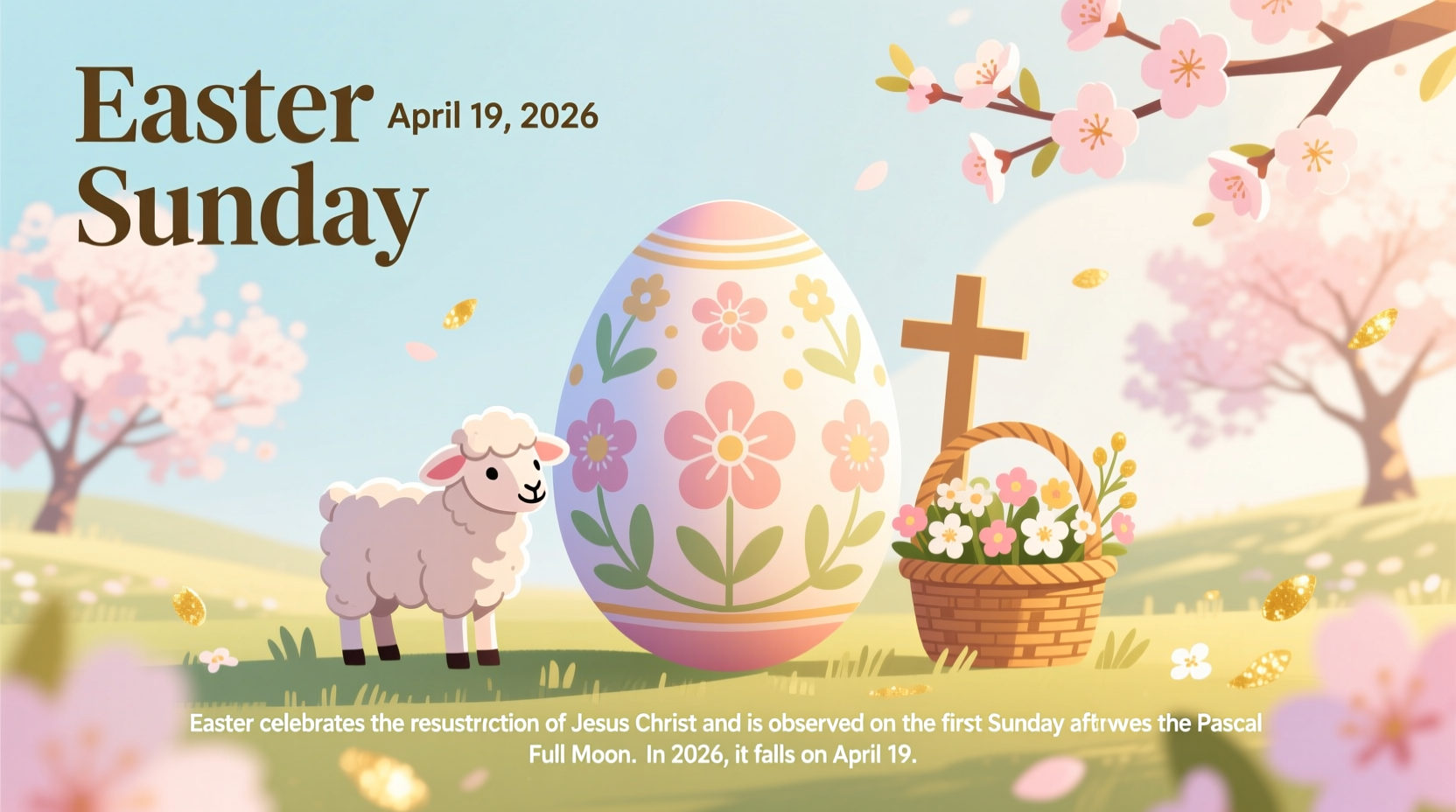
What is Easter? Easter is a central Christian holiday that commemorates the resurrection of Jesus Christ from the dead, as described in the New Testament. In 2026, Easter Sunday will be observed on March 29th, following the traditional calculation based on the first Sunday after the first full moon following the spring equinox. This makes Easter 2026 one of the earlier celebrations in recent years, falling just days after the vernal equinox on March 20th. As a moveable feast, Easter does not have a fixed date and can occur anywhere between March 22nd and April 25th, depending on lunar cycles and ecclesiastical rules established centuries ago. Understanding what Easter is involves exploring both its religious significance and its cultural evolution across continents.
Historical Origins of Easter
Easter’s roots stretch back over two millennia to the events described in the Gospels—Jesus’ crucifixion on Good Friday and his resurrection three days later. The word “Easter” itself is believed by many scholars to derive from Eostre, an Anglo-Saxon goddess of spring and fertility, though others argue it comes from the Old High German word ostarun, meaning “dawn” or “east,” symbolizing new beginnings. Early Christians likely aligned their celebration of Christ’s resurrection with existing spring festivals to ease conversion among pagan populations.
The Council of Nicaea in 325 CE standardized the method for determining Easter’s date: the first Sunday after the Paschal Full Moon, which follows the ecclesiastical approximation of the spring equinox (fixed at March 21). This decision separated Easter calculations from the Jewish calendar while preserving seasonal alignment. Over time, Western Christianity (Catholic and Protestant) adopted the Gregorian calendar for these computations, while most Eastern Orthodox churches use the older Julian calendar, leading to different dates in many years.
When Is Easter in 2026 and Why Does the Date Change?
In 2026, Easter Sunday falls on March 29. This date results from the interplay between astronomical phenomena and ecclesiastical tradition. The spring equinox occurs on March 20, and the first full moon afterward is expected on March 23. Since that moon falls on a Monday, the following Sunday—March 29—is designated as Easter. This system ensures that Easter remains tied to spring, reflecting themes of renewal and rebirth.
The variability of Easter’s date often confuses people unfamiliar with its liturgical basis. Unlike fixed holidays such as Christmas (December 25), Easter shifts annually because it depends on lunar cycles rather than the solar calendar alone. For example, in 2025, Easter was celebrated on April 20, but in 2027, it will fall on April 4. These fluctuations affect school breaks, retail planning, travel schedules, and church services worldwide.
Global Observance: Which Countries Celebrate Easter?
Easter is observed in numerous countries around the world, particularly those with significant Christian populations. In predominantly Christian nations such as the United States, Canada, Australia, the United Kingdom, Germany, Italy, Brazil, and the Philippines, Easter is widely recognized as both a religious and cultural event. Public holidays are typically declared on Good Friday and/or Easter Monday, allowing families to attend church services, participate in community events, and enjoy extended weekends.
Even in non-Christian-majority countries, Easter has gained recognition due to globalization and multiculturalism. Japan, South Korea, and India see growing observance among Christian minorities, while secular versions of egg hunts and bunny-themed activities appear in international schools and expatriate communities. However, in countries like Saudi Arabia or Iran, public celebrations are restricted due to religious laws.
| Country | Public Holiday? | Key Traditions |
|---|---|---|
| United States | No national holiday, but banks/schools often closed | Easter egg hunts, church services, family meals |
| Australia | Yes (Good Friday & Easter Monday) | Easter bilby instead of bunny; hot cross buns |
| Italy | Yes (Holy Thursday to Easter Monday) | Scoppio del Carro festival in Florence |
| Brazil | Yes (Good Friday & Easter Sunday) | Religious processions, especially in Salvador |
| Russia (Orthodox) | Yes (on Julian calendar date) | Midnight services, kulich bread, painted eggs |
Religious Significance and Liturgical Practices
For Christians, Easter is the culmination of Holy Week, which begins with Palm Sunday and includes Maundy Thursday (commemorating the Last Supper), Good Friday (the crucifixion), and the Easter Vigil on Saturday night. Many churches hold special services throughout this period, culminating in joyful Easter Sunday masses featuring hymns, sermons on resurrection hope, and symbolic decorations like lilies and white vestments.
The Easter Vigil, held after sunset on Holy Saturday, is considered one of the most sacred services in the liturgical year. It includes readings from salvation history, baptismal rites for new converts, and the proclamation “Christ is risen!” Congregants often light candles from a central Paschal candle, symbolizing Christ as the light of the world.
Secular Traditions and Cultural Adaptations
Alongside religious observances, Easter has developed rich secular customs. The Easter Bunny—a folkloric figure said to deliver colored eggs and candy—originated in German Lutheran traditions and became popular in America during the 18th century. Children participate in egg hunts, decorate hard-boiled eggs, and receive chocolate bunnies and baskets filled with treats.
Egg symbolism predates Christianity, representing fertility and new life in ancient cultures. Christians later reinterpreted the egg as a symbol of the empty tomb and resurrection. Today, large-scale egg hunts are hosted by organizations like the White House, which holds an annual Easter Egg Roll on the South Lawn.
Regional Differences in Celebration Dates and Customs
One major variation lies in the date of Easter between Western and Eastern Orthodox churches. Because the Orthodox Church uses the Julian calendar for calculating Easter, its date often differs from the Western (Gregorian) calculation. In 2026, Orthodox Easter will fall on May 3, nearly five weeks after the Western observance. This affects millions of believers in countries like Greece, Russia, Ukraine, and Serbia.
Cultural expressions also vary widely. In Spain, elaborate processions feature hooded penitents carrying statues of Christ. In Sweden, children dress as witches and go door-to-door for candy, blending Easter with old folk beliefs. In Ethiopia, Easter (called Fasika) involves strict fasting followed by midnight prayers and feasting.
Common Misconceptions About Easter
Many assume Easter is always in April, but early March dates like 2026’s March 29 are possible. Others believe the Easter Bunny is a modern invention, when in fact it traces back to 17th-century Germany. Some mistakenly think Easter replaced Passover entirely, when in reality the two holidays remain closely linked—the Last Supper was a Passover meal, and Easter timing still correlates with the Jewish calendar.
Another misconception is that all Christians celebrate Easter on the same day. Due to differing calendars and theological interpretations, multiple Easters can occur within weeks of each other, especially noticeable in Jerusalem, where various denominations hold separate ceremonies at the Church of the Holy Sepulchre.
How to Prepare for Easter 2026
Families and churches can begin preparing months in advance. Religious leaders may plan special music, sermons, and outreach programs. Households can organize Easter baskets, schedule travel for family gatherings, and shop for traditional foods like ham, lamb, or hot cross buns. Schools and community centers often host craft events or egg-decorating contests.
For travelers, booking accommodations early is advisable, especially in tourist-heavy regions like Rome, Jerusalem, or coastal Florida, where Easter weekend draws large crowds. Retailers ramp up sales on chocolates, clothing, and home goods, making it a peak shopping season similar to Christmas.
Verifying Local Observances and Business Hours
While Easter Sunday is not a federal holiday in the U.S., many businesses modify hours. Grocery stores may close early, gas stations remain open, and malls operate under reduced schedules. To confirm local operations, individuals should check retailer websites or call ahead. In countries where Easter Monday is a public holiday (e.g., Canada, UK, Australia), government offices, banks, and post offices are typically closed.
Church service times also vary—some parishes offer dawn services, while others hold mid-morning masses. Checking individual congregation bulletins or online calendars ensures accurate attendance.
Conclusion: What Is Easter Really About?
Ultimately, what Easter is depends on perspective. For devout Christians, it is the cornerstone of faith—the triumph of life over death through Jesus’ resurrection. For others, it marks a joyful spring festival filled with symbols of renewal, family bonding, and sweet indulgences. Whether observed through solemn worship or festive egg hunts, Easter continues to resonate globally as a time of hope, reflection, and connection.
Frequently Asked Questions
- When is Easter 2026? Easter Sunday in 2026 falls on March 29.
- Why does Easter’s date change every year? Easter follows a lunisolar calendar, set as the first Sunday after the first full moon after the spring equinox.
- Do all Christians celebrate Easter on the same day? No—Western and Eastern Orthodox churches often observe Easter on different dates due to calendar differences.
- Is Easter a public holiday in the U.S.? Not federally, but Good Friday or Easter Monday may be state-recognized holidays in some areas.
- What are common Easter traditions? Church services, Easter egg hunts, decorating eggs, family meals, and exchanging baskets with candy or gifts.




 浙公网安备
33010002000092号
浙公网安备
33010002000092号 浙B2-20120091-4