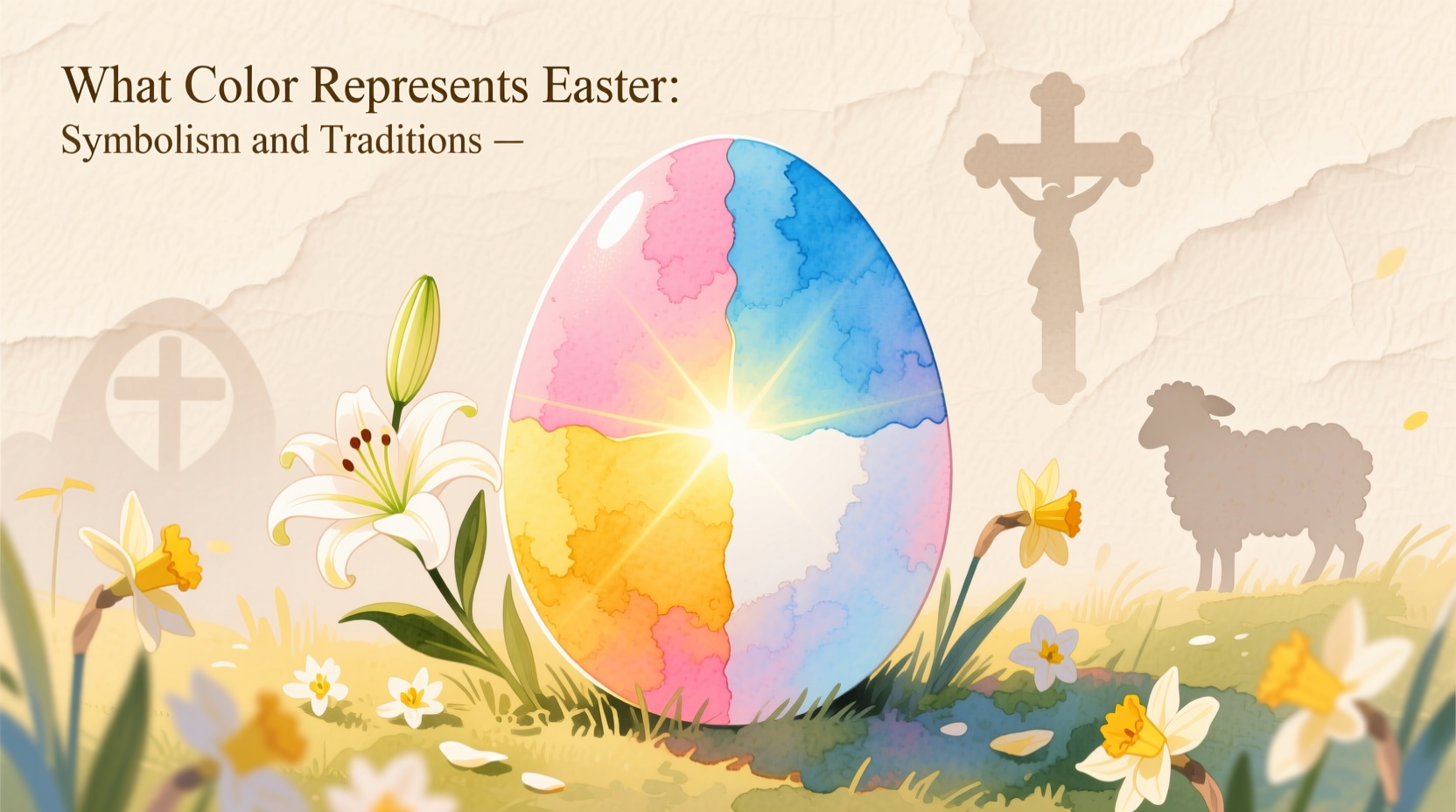
The color that most prominently represents Easter is pastel pink, though a spectrum of soft shades—including lavender, baby blue, yellow, and white—are deeply embedded in the holiday’s visual and spiritual identity. Understanding what color represents Easter reveals more than seasonal decor; it connects to centuries of religious symbolism, renewal, and cultural expression tied to springtime resurrection and rebirth. The question of what color represents Easter goes beyond mere aesthetics—it reflects theological themes of hope, joy, and divine promise celebrated worldwide each year.
Historical Origins of Easter Colors
Easter, as a Christian celebration of Jesus Christ's resurrection, has long been associated with specific liturgical colors that convey theological messages. In early Christian traditions, particularly within the Roman Catholic, Anglican, and Orthodox churches, the use of color in vestments, altar cloths, and church decorations followed a structured liturgical calendar. These colors were not chosen arbitrarily but served as visual sermons for congregants, many of whom could not read scripture directly.
During Lent—the 40-day period of fasting and penitence preceding Easter—purple or violet is traditionally used to symbolize repentance, humility, and sorrow for sin. However, on Palm Sunday and Good Friday, red may appear to represent the blood of Christ. Then, at the dawn of Easter Sunday, there is a dramatic shift: churches are adorned in bright, celebratory colors. White becomes dominant, representing purity, holiness, and the triumph of life over death. This transition from somber tones to radiant hues mirrors the emotional and spiritual journey of the Passion narrative.
Over time, especially in Western cultures, pastel versions of these colors became popularized through secular traditions such as Easter egg decorating, parades, and children’s activities. Thus, while white remains the official liturgical color of Easter Sunday, the broader cultural answer to what color represents Easter includes a palette of light, cheerful tones that evoke springtime renewal.
The Symbolic Meaning Behind Key Easter Colors
Each color associated with Easter carries distinct symbolic weight. Below is a breakdown of the primary hues and their meanings:
- White: As mentioned, this is the principal liturgical color for Easter. It signifies purity, innocence, and the glory of the Resurrection. Angels at the tomb are often depicted in white garments in biblical accounts (Matthew 28:3), reinforcing its sacred association.
- Gold: Frequently paired with white, gold represents divine light, victory, and eternal life. In many churches, golden crosses or banners are displayed during Easter services to emphasize Christ’s kingship and heavenly reign.
- Pastel Pink: Used on the fourth Sunday of Lent (Laetare Sunday), pink symbolizes joy amidst penitence. Over time, this soft hue has become a staple of Easter fashion and décor, answering the modern interpretation of what color represents Easter in everyday culture.
- Light Blue (Baby Blue): Represents the sky, heaven, and baptismal waters. It also evokes peace and tranquility, aligning with the message of salvation.
- Yellow and Pastel Yellow: Symbolizes sunlight, hope, and new beginnings. Daffodils and other yellow flowers bloom in spring, making this color a natural fit for Easter symbolism.
- Lavender and Light Purple: While dark purple is used during Lent, lighter shades signify the approaching joy of Easter and the royalty of Christ without the penitential connotation.
- Green: Though more closely linked with Ordinary Time in the liturgical calendar, green can appear after Easter to symbolize growth and the flourishing of faith.
Cultural Evolution: From Church to Candy
While ecclesiastical traditions laid the foundation, the modern perception of what color represents Easter has been significantly shaped by commercialization and cultural customs. The rise of Easter egg hunts, chocolate bunnies, and family gatherings transformed the holiday into a blend of religious observance and secular festivity.
In the 19th and 20th centuries, confectioners and retailers began packaging Easter treats in colorful boxes and baskets using soft pastels. Companies like Cadbury and Jelly Belly capitalized on the emotional appeal of springtime colors, further embedding pastel pinks, blues, yellows, and greens into public consciousness. Today, walking into any supermarket in March or April reveals entire aisles dedicated to pastel-wrapped chocolates, plastic eggs, and themed clothing—all contributing to the widespread idea that what color represents Easter is best captured by a gentle rainbow of spring-inspired shades.
Television specials, greeting cards, and social media trends have amplified this aesthetic. Hashtags like #EasterDecor, #PastelSeason, and #SpringVibes flood platforms every year, reinforcing the connection between Easter and soft, joyful colors.
Regional and Denominational Differences
It's important to note that the colors associated with Easter vary across regions and Christian denominations. For example:
- Eastern Orthodox Churches: Often use gold and white extensively during Pascha (Orthodox Easter). Red is also significant, symbolizing the blood of Christ and the fire of the Holy Spirit.
- Lutheran and Methodist Traditions: Follow a similar liturgical color scheme to Catholics, emphasizing white and gold on Easter Sunday.
- Non-liturgical Protestant Churches: May place less emphasis on formal color codes, instead adopting pastel themes through music, stage design, and children’s programs.
- Latin American Countries: Incorporate vibrant colors during Holy Week processions, but switch to white and gold on Easter Sunday. In Mexico, for instance, families dress in new clothes—often white—to attend Mass.
- Secular Celebrations in Australia and New Zealand: Focus on egg hunts and community events where pastel colors dominate, even if religious significance is downplayed.
| Color | Symbolic Meaning | Liturgical Use | Cultural Presence |
|---|---|---|---|
| White | Purity, Resurrection, Holiness | Primary Easter color in most denominations | Church decor, baptismal gowns, Easter dresses |
| Gold | Divine Glory, Victory, Kingship | Banners, chalices, vestments | Limited retail presence, mainly in religious items |
| Pastel Pink | Joy, Celebration, Femininity | Laetare Sunday only | Widely used in fashion, candy packaging, home decor |
| Baby Blue | Heaven, Peace, Baptism | Rarely used liturgically | Popular in Easter baskets and children’s clothing |
| Pastel Yellow | Sunlight, Hope, Renewal | Not liturgical | Dominant in floral arrangements and party supplies |
How to Incorporate Easter Colors in Modern Celebrations
Whether hosting a church service, family brunch, or community event, thoughtfully using Easter colors can enhance both spiritual reflection and festive atmosphere. Here are practical tips:
- Use White as the Foundation: Set tables with white linens or centerpieces featuring white lilies (a traditional Easter flower). This keeps the focus on the holiday’s sacred meaning.
- Add Pastel Accents: Introduce pastel-colored candles, ribbons, or napkins to reflect joy and springtime. Avoid overwhelming the space—balance is key.
- Dress Accordingly: Many people wear Easter outfits in pastel shades. Encourage guests to do so, especially for photos or outdoor events.
- Educate Through Decor: Label colors with their symbolic meanings in Sunday school classrooms or church displays to deepen understanding of what color represents Easter beyond surface-level trends.
- Balance Secular and Sacred Elements: If serving Easter candy in colorful wrappers, pair it with a devotional card explaining the true meaning of the holiday.
Common Misconceptions About Easter Colors
Several myths persist about what color represents Easter:
- Misconception 1: Pastel Pink is the Official Easter Color – While widely used culturally, pink is not the primary liturgical color. That honor belongs to white.
- Misconception 2: All Pastels Are Liturgical – Most pastel shades (like baby blue or mint green) have no formal place in church tradition and emerged from consumer culture.
- Misconception 3: Easter Always Uses Bright Colors – Some traditions, especially in Eastern Europe, maintain more subdued palettes until the moment of the Resurrection announcement, when bells and lights suddenly burst forth.
- Misconception 4: Color Choices Are Universal – As shown earlier, regional and denominational differences exist. Assuming one standard can lead to misrepresentation.
Verifying Local Practices and Trends
If you're planning an event or seeking accurate information about Easter color usage, consider checking:
- Your local church’s liturgical calendar
- Religious supply stores or diocesan websites for official guidelines
- Trend reports from major retailers like Hallmark or Target to understand current consumer preferences
- Cultural institutions or embassies when exploring international practices
Remember, while online searches for what color represents Easter will return countless images of pastel eggs and bunnies, deeper research reveals a rich tapestry of meaning rooted in theology and history.
Frequently Asked Questions
- What is the main color associated with Easter?
- The main liturgical color for Easter is white, symbolizing purity and the Resurrection. Culturally, pastel pink and other soft hues are also strongly associated with the holiday.
- Why are pastel colors used for Easter?
- Pastel colors reflect the arrival of spring, renewal, and joy. They became popular through secular traditions like egg dyeing and Easter basket packaging.
- Is purple an Easter color?
- Dark purple is used during Lent for penitence, but light lavender or pastel purple can be used near Easter to signify the transition to celebration.
- Do Orthodox Christians use different colors for Easter?
- Yes, Eastern Orthodox churches emphasize gold and white during Pascha, with red also playing a symbolic role in some traditions.
- Can I use non-traditional colors for Easter?
- Yes, especially in secular settings. However, in religious contexts, it’s advisable to follow established liturgical guidelines to maintain theological integrity.





 浙公网安备
33010002000092号
浙公网安备
33010002000092号 浙B2-20120091-4