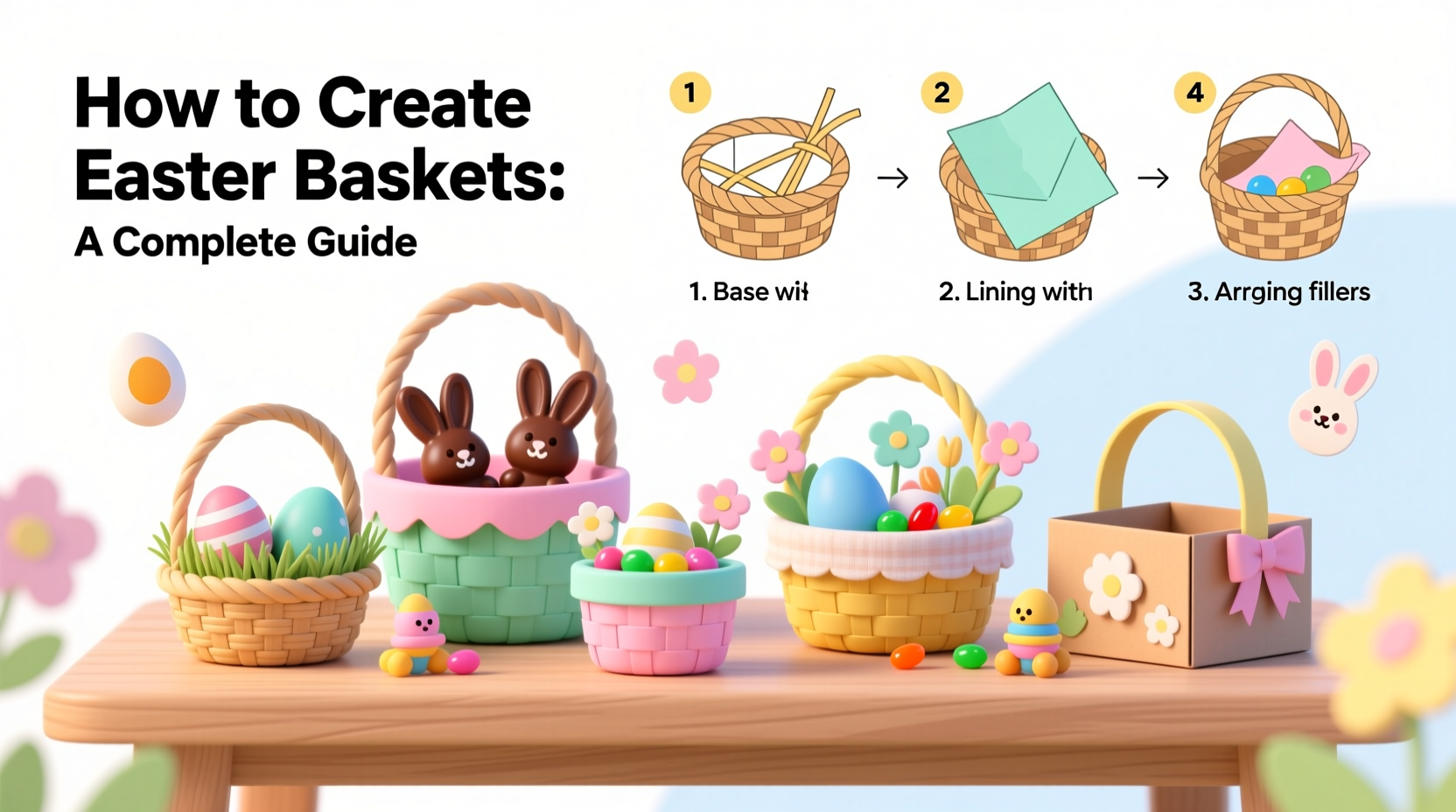
Creating Easter baskets is a cherished tradition that brings joy to children and families every spring. If you're wondering how to create Easter baskets, the answer lies in combining festive treats, meaningful gifts, and personal touches that reflect the spirit of the holiday. A well-crafted Easter basket goes beyond chocolate eggs and fluffy bunnies—it tells a story, sparks excitement, and celebrates renewal. Whether you’re preparing for Easter 2026 or simply getting ahead early, knowing how to assemble thoughtful, themed baskets can elevate your celebration. From choosing the right container to selecting age-appropriate surprises, this guide walks you through every step of crafting memorable Easter baskets that delight recipients of all ages.
Understanding the Tradition Behind Easter Baskets
Easter baskets have deep cultural and religious roots. Originally tied to the Christian observance of Lent and Easter, these baskets were used to carry food to be blessed by a priest after the 40-day fasting period. In many Eastern European countries like Poland and Ukraine, families still prepare "święconka"—blessed baskets containing bread, sausage, eggs, and salt—on Holy Saturday. Over time, especially in the United States, the practice evolved into a more secular, child-centered activity linked with the Easter Bunny and egg hunts.
The modern concept of the Easter basket as a gift-filled container for children emerged in the 19th century alongside the popularization of the Easter Bunny myth. German immigrants brought the legend of "Osterhase," a hare who laid colored eggs in nests prepared by children, which eventually transformed into decorated baskets left by the bunny. Today, creating Easter baskets blends symbolism (eggs for new life, bunnies for fertility) with fun and family bonding.
Essential Components of a Great Easter Basket
To successfully create Easter baskets, it helps to break down the contents into categories. This ensures variety, balance, and thoughtfulness. Here are the core elements:
- Sweet Treats: Chocolate bunnies, jelly beans, marshmallow chicks (Peeps), and candy-coated eggs are staples. Opt for quality brands or organic options if preferred.
- Toys & Trinkets: Small toys like stickers, bubbles, mini puzzles, coloring books, or figurines add non-food excitement.
- Personalized Gifts: Include items tailored to the recipient’s interests—art supplies for a creative child, socks or lip balm for teens, gourmet coffee or tea for adults.
- Symbols of Spring: Plastic eggs, plush bunnies, chick ornaments, or flower-themed accessories reinforce the seasonal theme.
- Basket or Container: Choose something reusable—a woven basket, bucket, tote bag, or even a decorative box—to reduce waste and increase value.
Step-by-Step Guide to Making Your Own Easter Baskets
Follow this practical process to create Easter baskets efficiently and beautifully:
- Determine Your Budget: Decide how much you want to spend per basket. This will guide your choices in treats, toys, and containers.
- Know Your Recipient: Age, gender, allergies, and hobbies matter. A toddler needs safe, soft toys; a teen might appreciate gift cards or skincare items.
- Pick a Theme: Themes make assembly easier and more cohesive. Popular ones include pastel rainbow, safari adventure, princess magic, sports lover, or movie character (e.g., Disney, Paw Patrol).
- Gather Supplies: Buy baskets, filler material (shredded paper, grass, fabric scraps), wrapping ribbon, tags, and all planned contents.
- Assemble Strategically: Place larger items at the back, fill gaps with smaller treats, and use tissue paper or cellophane to create a polished look.
- Add a Personal Touch: Write a note, attach a photo, or include a handmade coupon (like "one free movie night") to deepen emotional connection.
- Wrap and Store: Use clear plastic wrap or cellophane with a bow for presentation. Keep baskets in a cool, dry place until Easter morning.
Creative Ideas for Themed Easter Baskets
One of the most enjoyable aspects of learning how to create Easter baskets is exploring creative themes. Here are some unique ideas:
| Theme | Ideal For | Sample Contents |
|---|---|---|
| Spring Garden Kit | Kids who love nature | Mini gardening gloves, seed packets, trowel, bunny planter pot |
| Breakfast in Bed | Parents or adults | Fancy pancake mix, syrup, mug, apron, wooden spoon |
| Movie Night Fun | Families or teens | Popcorn, candy, cozy socks, DVD or streaming gift card |
| Bath & Spa Time | Moms or self-care lovers | Bath bombs, lotion, face mask, loofah, scented candle |
| Reading Adventure | Young bookworms | New children's book, bookmark, flashlight, reading glasses (funny) |
Themed baskets not only feel more special but also encourage engagement beyond candy consumption.
Tips for Saving Money While Creating Easter Baskets
You don’t need to spend a fortune to create Easter baskets that impress. Consider these budget-friendly strategies:
- Shop Off-Season: Buy baskets, decorations, and candy right after Easter when stores discount them up to 70%.
- Use Dollar Stores: Many offer high-quality baskets, grass, toys, and chocolates perfect for filling baskets.
- DIY Fillers: Make your own playdough, slime, or coloring pages instead of buying expensive kits.
- Reuse Containers: Last year’s bucket or tote can get a fresh look with paint or stickers.
- Limit Candy Quantity: Focus on one signature treat rather than stuffing the basket full of sweets.
Adapting Easter Baskets for Different Ages
A key part of mastering how to create Easter baskets is tailoring them appropriately. What works for a 5-year-old won’t suit a college student.
For Toddlers (1–3 years): Prioritize safety. Avoid small parts, choking hazards, or toxic materials. Use soft plush toys, board books, bath toys, and toddler-safe snacks.
For Kids (4–10 years): Mix fun and imagination. Include themed toys, crayons, bubbles, stickers, and classic candies like chocolate bunnies or jelly beans.
For Tweens and Teens (11–17 years): Shift toward practicality and personalization. Think gift cards, trendy accessories, phone grips, journals, or favorite snacks.
For Adults: Elevate the experience. Gourmet foods, wine, spa items, coffee blends, or hobby-related tools (e.g., knitting kit, puzzle book) show thoughtfulness.
Eco-Friendly and Sustainable Easter Basket Options
As environmental awareness grows, many families seek ways to create Easter baskets sustainably. Here’s how:
- Choose reusable baskets made of wicker, metal, or cloth instead of disposable ones.
- Select organic, fair-trade, or locally-made candies.
- Replace plastic grass with shredded recycled paper, moss, or fabric scraps.
- Include long-lasting gifts like wooden toys, books, or plants.
- Avoid over-packaging; skip cellophane or use compostable wraps.
Sustainable baskets not only reduce waste but also teach children about mindful consumption.
Common Mistakes When Creating Easter Baskets (And How to Avoid Them)
Even experienced basket-makers can slip up. Watch out for these pitfalls:
- Overloading with Candy: Too much sugar leads to crashes and guilt. Balance sweets with healthy or educational items.
- Ignoring Allergies: Always check for nut, dairy, or gluten sensitivities before including food items.
- Lack of Theme or Cohesion: Random items feel thrown together. Stick to a theme for visual and emotional impact.
- Using Flimsy Containers: Cheap baskets fall apart. Invest in durable ones that can be reused.
- Leaving Until the Last Minute: Rushing leads to overspending and poor choices. Start planning in March—or earlier!
Where to Buy Pre-Made Easter Baskets (And When to Make Your Own)
If you're short on time, retailers like Walmart, Target, Amazon, and Hallmark offer pre-assembled Easter baskets. These can be convenient, but they often lack personalization and may contain lower-quality items. Homemade baskets allow full control over content, cost, and creativity. However, if you're hosting a large event or need multiple baskets quickly, mixing store-bought basics with custom touches (like handwritten notes or added toys) offers a balanced solution.
Regional Variations in Easter Basket Traditions
While creating Easter baskets is most common in the U.S., Canada, and parts of Western Europe, traditions vary. In Germany, children build nests for the Osterhase. In Australia, where rabbits are pests, the “Easter Bilby” replaces the bunny, and baskets promote conservation messages. In Scandinavian countries, willow branches decorated with feathers and eggs symbolize spring—functioning like natural baskets. Understanding these differences enriches your approach and inspires unique ideas.
FAQs About Creating Easter Baskets
When should I start preparing Easter baskets?
Begin gathering ideas and shopping in March. Starting early lets you take advantage of sales and avoid last-minute stress.
What are some non-candy alternatives for Easter baskets?
Consider small toys, books, art supplies, puzzles, socks, water bottles, or hobby kits. These provide lasting enjoyment without the sugar rush.
Can I make Easter baskets for pets?
Absolutely! Pet-safe toys, treats, collars, or grooming brushes make adorable additions—especially for dogs and cats.
How do I keep Easter baskets fresh and safe?
Store in a cool, dry place away from sunlight. If using perishable items (like fresh fruit or cheese), deliver the basket on Easter morning.
Are there religious Easter basket ideas?
Yes. Include a children’s Bible, prayer journal, cross necklace, or Resurrection-themed book to emphasize the spiritual meaning of Easter.





 浙公网安备
33010002000092号
浙公网安备
33010002000092号 浙B2-20120091-4