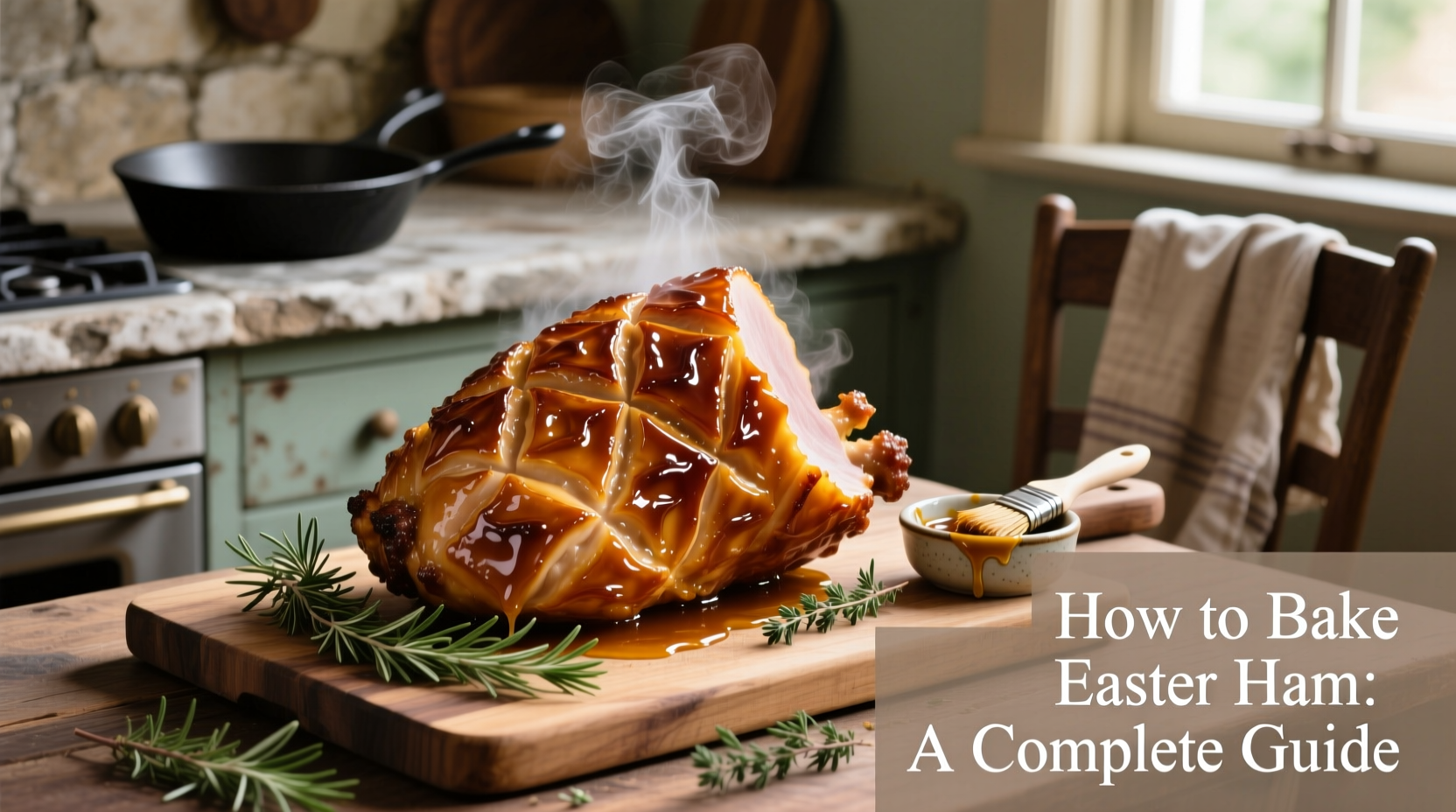
If you're wondering how to bake Easter ham, the key is selecting a pre-cooked spiral-cut or bone-in ham, applying a homemade glaze, and baking it at 325°F for 10–15 minutes per pound until it reaches an internal temperature of 140°F. This classic method for how to bake Easter ham ensures a moist, flavorful dish that serves as the perfect centerpiece for your holiday meal. With simple ingredients and careful timing, anyone can master this traditional recipe and impress guests with a golden, sweet-and-savory glazed ham.
The Significance of Ham in Easter Celebrations
Easter ham has deep cultural and historical roots in Western Christian traditions. While the exact origins are debated, one theory traces the practice back to pre-Christian Germanic and Anglo-Saxon spring festivals, where pork was traditionally consumed during seasonal celebrations due to pig slaughtering cycles ending in winter. By spring, preserved meats like ham were ready to eat, making them a natural choice for festive meals.
As Christianity spread across Europe, many pagan customs were adapted into religious observances. The consumption of ham during Easter may have been embraced because it symbolized abundance, prosperity, and the end of Lenten fasting. Unlike lamb—often associated with the Paschal sacrifice—ham became especially popular in North America, where pork production was widespread and affordable.
Today, baked ham remains a staple on Easter tables in the United States, Canada, Australia, and parts of Northern Europe. Its popularity stems not only from tradition but also from practicality: most hams sold for Easter are fully cooked and only require reheating, making them accessible even for novice cooks.
Types of Hams Used for Easter
Understanding the different types of ham available is crucial when learning how to bake Easter ham. Not all hams are created equal, and choosing the right one affects both preparation time and flavor.
- Spiral-Cut Ham: Pre-sliced, fully cooked, and easy to serve. Ideal for beginners. Because it's already cooked, baking primarily serves to warm the meat and caramelize the glaze.
- Bone-In vs. Boneless: Bone-in hams often have more flavor and retain moisture better during heating. The bone can also be used later for soups or beans.
- Smoked vs. Fresh Ham: Smoked hams are cured and fully cooked; fresh hams must be cooked from raw and require longer preparation.
- Glazed vs. Un-glazed: Some hams come with factory-applied glazes. For greater control over sweetness and flavor, many prefer unglazed hams so they can apply their own.
For most home bakers aiming to follow a standard how to bake Easter ham guide, a fully cooked, spiral-cut, bone-in ham is the best starting point.
Essential Ingredients and Tools
To successfully execute how to bake Easter ham, gather these essentials before beginning:
| Category | Items |
|---|---|
| Main Ingredient | Pre-cooked ham (7–10 lbs typical) |
| Glaze Components | Brown sugar, honey, maple syrup, Dijon mustard, pineapple juice, cloves, cinnamon |
| Pan & Accessories | Rimmed roasting pan, foil, meat thermometer, basting brush |
| Liquid for Moisture | Water, apple juice, or broth (½ cup) |
A reliable meat thermometer is essential to avoid overcooking. Spiral-cut hams dry out quickly if heated too long or at too high a temperature.
Step-by-Step Guide: How to Bake Easter Ham
Follow this detailed process to achieve restaurant-quality results using the proven method for how to bake Easter ham.
- Thaw the Ham (if frozen): Allow 4–5 hours per pound in the refrigerator. Never thaw at room temperature.
- Preheat Oven: Set to 325°F (165°C). This temperature allows gentle warming without drying.
- Prepare Pan: Place ham cut-side down in a roasting pan. Add ½ cup liquid (apple juice works well) to prevent drying.
- Cover with Foil: Tightly cover the entire ham to trap steam and maintain moisture during initial heating.
- Bake Until Warm: Heat for about 10–15 minutes per pound. For a 9-lb ham, this means roughly 1.5 to 2.25 hours.
- Make the Glaze: Combine ½ cup brown sugar, ¼ cup honey, 2 tbsp Dijon mustard, 2 tbsp pineapple juice, and ½ tsp ground cloves in a small saucepan. Simmer 5 minutes until thickened.
- Apply Glaze: Remove foil 20–30 minutes before end of cook time. Score fat cap in diamond pattern (if applicable), then brush generously with glaze.
- Final Bake: Return to oven uncovered to allow glaze to caramelize. Baste every 10 minutes for shine and flavor.
- Check Temperature: Insert thermometer into thickest part (not touching bone). Fully reheated ham should reach 140°F.
- Rest Before Serving: Let stand 15–20 minutes. This allows juices to redistribute.
Popular Glaze Variations
One of the joys of mastering how to bake Easter ham is customizing the glaze. Here are five crowd-pleasing variations:
- Classic Brown Sugar & Mustard: Mix brown sugar, Dijon, butter, and a pinch of cinnamon.
- Pineapple & Cherry: Use crushed pineapple and cherry preserves for a fruity twist.
- Maple-Bourbon: Combine real maple syrup with 2 tbsp bourbon and a dash of smoked paprika.
- Orange-Ginger: Fresh orange zest, juice, molasses, and grated ginger add brightness.
- Spicy Honey-Chipotle: For adventurous palates—mix honey with minced chipotle in adobo sauce.
Apply glazes during the last third of baking time to prevent burning. Reapply every 10 minutes for maximum flavor and sheen.
Cooking Times by Weight
Use this reference chart when planning your how to bake Easter ham timeline. All times assume a pre-cooked ham at 325°F, covered for most of the time, then uncovered for glazing.
| Ham Weight | Total Bake Time | Glaze Start Time | Internal Temp |
|---|---|---|---|
| 5–6 lbs | 1 hr 40 min – 2 hrs | 30–40 min before end | 140°F |
| 7–8 lbs | 2 hrs 20 min – 3 hrs | 30–40 min before end | 140°F |
| 9–10 lbs | 3 hrs – 3 hrs 45 min | 30–40 min before end | 140°F |
Note: These times do not include resting. Always use a meat thermometer rather than relying solely on time estimates.
Common Mistakes to Avoid
Even experienced cooks can make errors when following how to bake Easter ham. Watch out for these pitfalls:
- Overbaking: Leads to dry, tough meat. Stick to 10–15 minutes per pound and monitor temperature.
- Glazing Too Early: Sugary glazes burn easily. Only apply in the final 20–40 minutes.
- Not Covering the Ham: Without foil, moisture escapes rapidly, especially with spiral cuts.
- Skipping the Rest: Cutting immediately causes juices to run out, resulting in drier slices.
- Using Cold Ham: Bring ham to room temperature for 30–60 minutes before baking for even heating.
Serving Suggestions and Leftovers
A perfectly baked Easter ham pairs beautifully with traditional side dishes such as scalloped potatoes, green bean casserole, deviled eggs, dinner rolls, and spring vegetables. Garnish with fresh herbs like parsley or rosemary sprigs for a festive touch.
Leftover ham is incredibly versatile. Store in airtight containers within two hours of serving. It keeps for 3–4 days in the fridge or up to 2 months in the freezer.
Ideas for using leftovers:
- Hoppy Easter sandwiches with Swiss cheese and mustard
- Ham and cheese quiche or frittata
- Split pea soup with ham hock
- Ham fried rice
- Breakfast hash with potatoes and peppers
Regional and Cultural Variations
While how to bake Easter ham follows similar principles across the U.S., regional preferences influence flavors and preparations. In the South, hams are sometimes baked with Coca-Cola or Dr Pepper-based glazes. New England cooks might favor maple syrup from local farms. In Hawaii, pineapple and tropical fruit glazes dominate.
Internationally, other cultures celebrate Easter with different proteins. In Mediterranean countries, lamb is more common. In Eastern Europe, roasted pork loin or whole chickens are served. However, American expats and international supermarkets often feature baked ham as a nod to U.S. holiday customs.
Frequently Asked Questions
- Do I need to heat a fully cooked ham?
- Yes, for safety and optimal texture. Reheat to 140°F unless serving cold. Heating enhances flavor and allows glaze application.
- Can I bake a frozen ham?
- It’s not recommended. Thaw in the refrigerator first to ensure even heating and food safety.
- How do I keep my ham moist?
- Cover with foil during most of baking, add liquid to the pan, avoid overcooking, and let it rest before slicing.
- What size ham should I buy per person?
- Plan for about ½ pound per guest when serving a bone-in ham, or ⅓ pound for boneless.
- Can I make the glaze ahead of time?
- Yes, prepare up to 3 days in advance and store in the refrigerator. Reheat gently before brushing on the ham.
Mastering how to bake Easter ham doesn’t require advanced skills—just attention to detail, proper tools, and respect for timing and temperature. Whether you’re hosting your first holiday dinner or refining a family tradition, this guide equips you with everything needed to create a delicious, memorable centerpiece. With practice, you’ll develop your signature glaze and technique, turning a simple ham into a celebration favorite year after year.




 浙公网安备
33010002000092号
浙公网安备
33010002000092号 浙B2-20120091-4