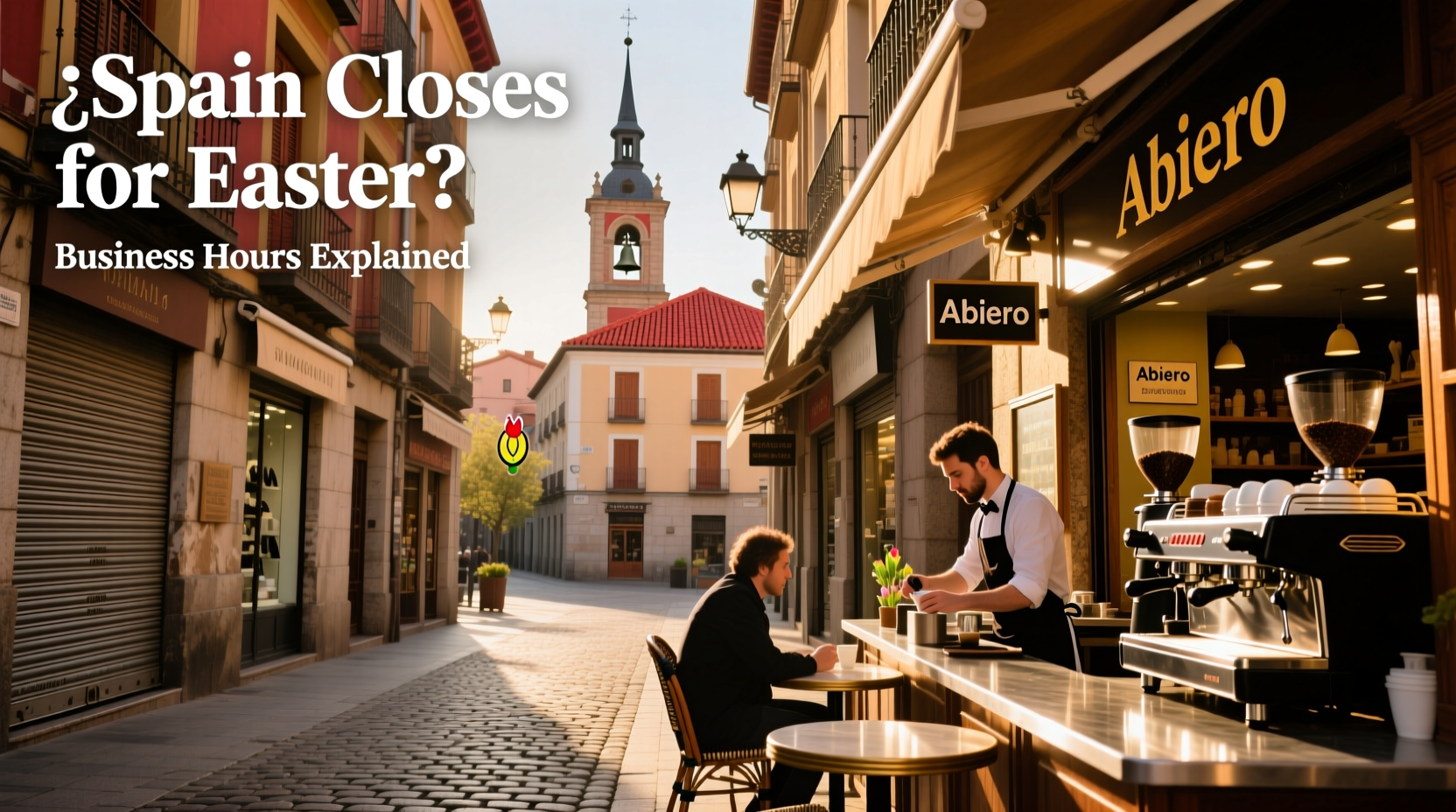
Yes, Spain does close for Easter in many regions, particularly during Holy Week (Semana Santa), when numerous businesses, schools, and government offices shut down. Does Spain close for Easter? The answer depends on the region and type of service, but generally, most of the country observes public holidays from Maundy Thursday through Easter Sunday, leading to reduced operations or full closures. This period, known as Semana Santa in Spain, is one of the most significant religious observances in the country and deeply influences daily life, travel, and commerce.
When Is Easter in Spain?
Easter in Spain, like elsewhere, follows the liturgical calendar and falls on the first Sunday after the first full moon following the spring equinox. Therefore, the date changes each year. In 2025, Easter Sunday will be on April 20, with Holy Week running from April 13 (Palm Sunday) to April 20. In 2026, Easter Sunday falls on April 5, meaning Semana Santa will occur from March 29 to April 5. These dates are crucial for travelers and residents alike who want to understand when closures are likely.
Because Easter is a movable feast, planning ahead is essential. Many Spaniards take time off work during this week, especially if Easter coincides with weekends, creating extended breaks. Knowing when Easter is in Spain helps anticipate transportation schedules, restaurant availability, and shopping options.
Semana Santa: The Cultural Heart of Easter in Spain
Semana Santa, or Holy Week, is not just a religious holiday but a cornerstone of Spanish cultural identity. Celebrated with intense devotion across the country, it features processions, religious ceremonies, traditional music, and elaborate floats carried by brotherhoods (cofradías). Cities like Seville, Valladolid, Granada, and Zamora are renowned for their dramatic and historic processions that attract thousands of visitors annually.
These events often begin early in the morning or continue late into the night, influencing local business hours. Shops may open briefly in the mornings before closing again to allow participation in rituals. In smaller towns, entire communities pause normal activities to honor the traditions, reinforcing the idea that Spain does close for Easter, at least partially and symbolically, even where legal mandates don’t require it.
National vs. Regional Public Holidays
One key factor in understanding whether Spain closes for Easter lies in its decentralized holiday system. While Easter-related days are recognized nationally, individual autonomous communities have the authority to declare official public holidays. As a result, there is variation across regions.
The core Easter holidays typically include:
- Maundy Thursday (Jueves Santo)
- Good Friday (Viernes Santo)
- Easter Sunday (Domingo de Resurrección) — though less commonly a formal holiday
In most regions, both Maundy Thursday and Good Friday are public holidays. However, Easter Monday is only an official holiday in certain areas, such as Valencia, Murcia, and the Balearic Islands. Elsewhere, like Madrid or Barcelona, it’s a regular working day unless employers choose to grant leave.
| Region | Maundy Thursday | Good Friday | Easter Monday |
|---|---|---|---|
| Andalusia | Public Holiday | Public Holiday | No |
| Madrid | Public Holiday | Public Holiday | No |
| Catalonia | Public Holiday | Public Holiday | No |
| Valencia | Public Holiday | Public Holiday | Yes |
| Murcia | Public Holiday | Public Holiday | Yes |
| Galicia | Public Holiday | Public Holiday | No |
This table illustrates how regional autonomy affects business operations. Travelers should consult local calendars before assuming closures or openings.
Business and Retail Operations During Easter
So, does Spain close for Easter when it comes to retail and services? The short answer is: partially. Large supermarkets, banks, and government offices typically close on Maundy Thursday and Good Friday in regions where these are declared holidays. Pharmacies operate on rotating emergency schedules, ensuring at least one open per district.
Smaller shops, especially family-run stores, often close entirely during peak Holy Week days out of respect for religious traditions. However, tourist-heavy areas like coastal resorts or major cities such as Barcelona and Madrid may keep some businesses open due to visitor demand. Malls in urban centers might remain operational with reduced hours, while rural villages may see near-total shutdowns.
Banks follow public holiday rules and are closed on official non-working days. ATMs remain accessible, but in-person services halt. Utility companies maintain emergency response teams, though customer service lines may have limited availability.
Transportation and Public Services
Public transportation continues operating during Easter, but with modified schedules. Metro, bus, and commuter rail systems in cities like Madrid and Barcelona run on reduced 'Sunday or holiday timetables' during Holy Week. Long-distance trains (Renfe) and intercity buses (ALSA) increase capacity due to high domestic travel, so booking in advance is strongly advised.
Airports remain fully operational, as Easter is a popular time for international and domestic travel. However, road traffic surges significantly, especially on Maundy Thursday and Easter Sunday, as families travel between regions. Expect delays and congestion on major highways.
Emergency services—including police, fire departments, and hospitals—operate normally. Non-emergency municipal services, such as waste collection, may be delayed or rescheduled depending on the municipality.
Religious Observance and Social Impact
The extent to which Spain closes for Easter reflects more than legal requirements—it mirrors deep-rooted social and religious customs. Even in increasingly secular parts of Spain, Semana Santa commands widespread respect. Many workers receive paid time off, and companies suspend non-essential operations.
Employers are not legally required to give employees time off for Easter unless the day is officially designated a public holiday in their region. However, many do so voluntarily, especially in industries where productivity slows due to client absences or supply chain disruptions.
Schools almost universally close for the entire Holy Week, aligning with family traditions and religious education. Universities may end semesters early or schedule exams after Easter to accommodate student travel.
Travel Tips for Visitors During Easter
If you're visiting Spain during Easter, preparation is key. Here are practical tips to navigate potential closures:
- Check Local Holiday Calendars: Confirm which days are public holidays in your destination region. Official city or regional government websites provide accurate information.
- Book Accommodations Early: Hotels fill up quickly, especially in cities hosting major processions. Book several months in advance.
- Plan Grocery Shopping Ahead: Supermarkets may close or reduce hours. Stock up on essentials before Maundy Thursday.
- Verify Transport Schedules: Use official transit apps or websites to check updated timetables for metros, buses, and trains.
- Respect Religious Events: Processions are sacred. Avoid loud behavior, stay behind barriers, and don’t block routes.
Understanding whether Spain closes for Easter helps avoid inconvenience and enhances cultural appreciation.
Common Misconceptions About Easter in Spain
Several myths persist about Easter closures in Spain:
- Misconception 1: "All of Spain shuts down completely during Easter."
Reality: While many services slow or pause, critical infrastructure remains functional, and tourism zones stay active. - Misconception 2: "Easter Monday is a national holiday."
Reality: It's only a public holiday in select regions, not nationwide. - Misconception 3: "No restaurants are open during Holy Week."
Reality: Most restaurants, especially in cities, remain open, though some may have special holiday menus or adjusted hours.
Recognizing these nuances ensures realistic expectations.
How to Verify If Businesses Are Open
To confirm whether specific services are operating during Easter:
- Visit the official website of the retailer, bank, or institution.
- Call ahead using local contact numbers.
- Check Google Maps listings, which often display holiday hours.
- Follow local news outlets or municipal social media accounts for updates.
For example, Mercadona, Spain’s largest supermarket chain, typically closes on public holidays but posts updated hours online. Similarly, BBVA and Santander publish holiday branch schedules on their banking portals.
Conclusion: Does Spain Close for Easter?
In summary, yes, Spain does close for Easter, particularly on Maundy Thursday and Good Friday, when most regions observe public holidays. The degree of closure varies by location, sector, and community tradition. While essential services remain available, retail, education, and administrative functions often scale back or halt entirely. Semana Santa’s profound cultural significance means that even where not mandated, many Spaniards treat the week as a time of reflection, family, and rest.
Whether you're a resident planning your schedule or a traveler preparing for a visit, knowing when Easter is in Spain and how different regions respond allows for smoother navigation of this sacred and festive season. Always verify local conditions in advance to ensure access to necessary services.
Frequently Asked Questions
Is Good Friday a public holiday in Spain?
Yes, Good Friday (Viernes Santo) is a public holiday throughout all regions of Spain.
Are shops open on Easter Sunday in Spain?
Most shops are closed on Easter Sunday, especially in traditional areas. However, some tourist-oriented stores in big cities may open with limited hours.
Do banks close during Holy Week in Spain?
Banks close on Maundy Thursday and Good Friday if they are official holidays in the region. They remain closed on weekends and reopen on the next working day.
Is Easter Monday a holiday in Spain?
Easter Monday is a public holiday only in certain regions, including Valencia, Murcia, and the Balearic Islands. It is not a national holiday.
Can I travel within Spain during Easter?
Yes, travel is common during Easter. Trains, buses, and flights operate with increased demand. Roads can be congested, so plan accordingly and book transport early.





 浙公网安备
33010002000092号
浙公网安备
33010002000092号 浙B2-20120091-4