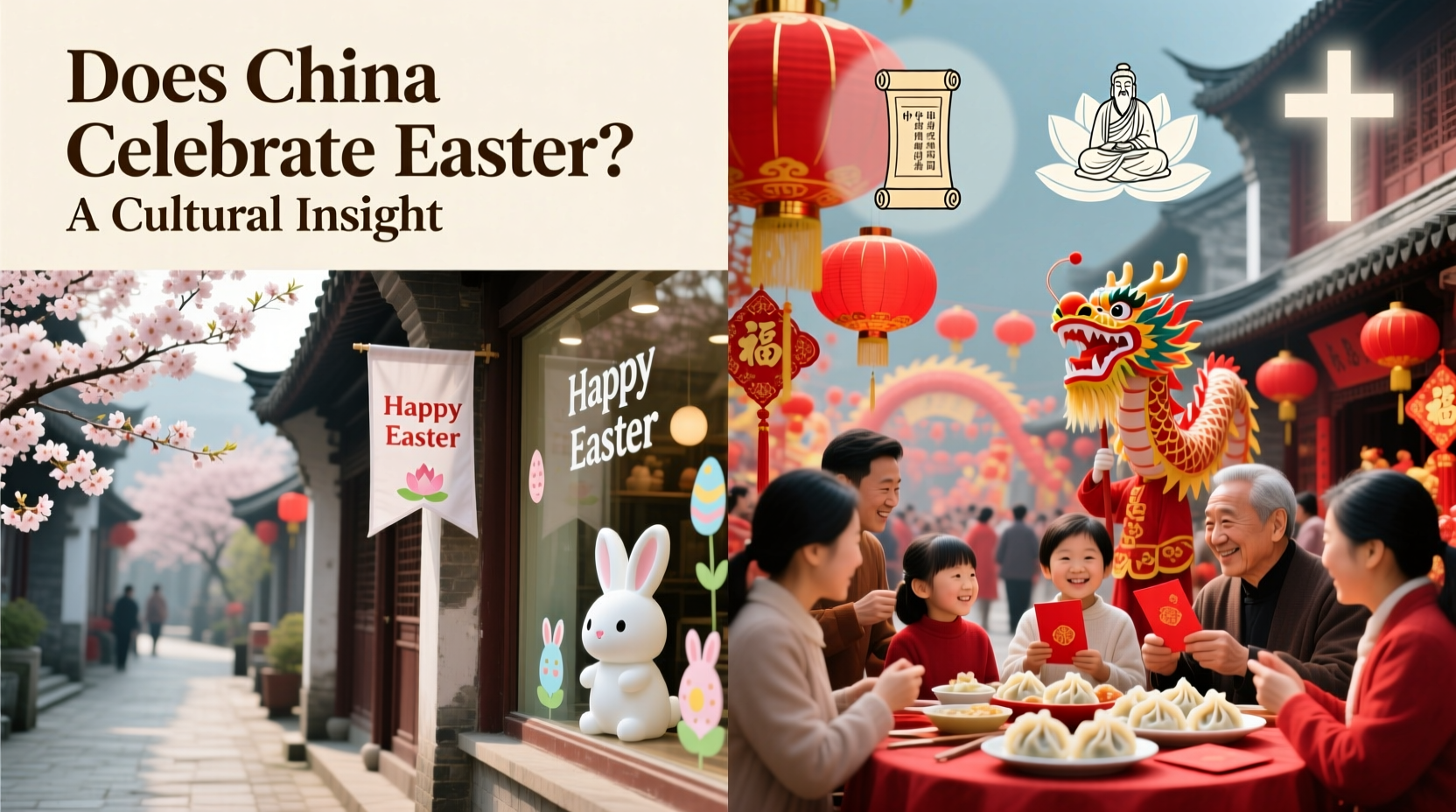
Does China do Easter? In short, Easter is not a public or traditional holiday in China, and the vast majority of the population does not celebrate it. While Christianity has a growing presence in the country, especially in urban centers, Easter remains largely unrecognized in mainstream Chinese culture. Unlike Western nations where Easter Sunday marks a significant religious and cultural event with egg hunts, church services, and family gatherings, does china do easter celebrations on a national scale? The answer is no. However, small Christian communities, international schools, and foreign residents in cities like Beijing, Shanghai, Guangzhou, and Shenzhen may hold private or semi-public Easter events.
Understanding Easter in Global Context
Easter is one of the most important holidays in the Christian liturgical calendar, commemorating the resurrection of Jesus Christ after his crucifixion. It is celebrated primarily in Christian-majority countries such as the United States, Canada, the United Kingdom, Australia, Germany, and many nations across Latin America and Europe. The date of Easter varies each year, typically falling between late March and late April, based on the first Sunday after the first full moon following the spring equinox.
In these countries, Easter traditions include attending church services, decorating eggs, organizing Easter egg hunts for children, sharing festive meals, and exchanging chocolate bunnies or baskets. These customs have deep religious roots but have also become widely commercialized and culturally embedded—even among non-religious populations.
Religious Landscape in China: Why Easter Isn’t Widely Observed
To understand why does china do easter differently than Western nations, one must examine China’s religious and cultural landscape. China is officially an atheist state, though it recognizes five religions: Buddhism, Taoism, Islam, Catholicism, and Protestant Christianity. Religious practice is permitted under strict government oversight through state-sanctioned organizations.
Christianity in China has grown over the past few decades, particularly in house churches and registered Three-Self Patriotic Movement churches. However, estimates suggest that Christians make up only about 5–7% of the total population—roughly 70 to 100 million people. Given this minority status, Christian holidays like Easter and Christmas are not part of the national consciousness.
Moreover, China’s dominant cultural traditions revolve around Confucian values, ancestral worship, and festivals tied to the lunar calendar—such as Chinese New Year, Mid-Autumn Festival, Dragon Boat Festival, and Qingming Festival. These holidays emphasize family reunions, food offerings, and seasonal rituals rather than religious commemorations of biblical events.
Where and How Is Easter Celebrated in China?
Although Easter is not a public holiday in China, certain groups do observe it:
- Registered Christian Churches: State-approved Protestant and Catholic churches may hold special Easter Sunday services, including hymns, sermons, and communion. These services are generally low-key and focused on worship rather than celebration.
- International Communities: Expatriates, diplomats, and foreign teachers often organize Easter events at international schools, embassies, or private clubs. These can include egg-decorating activities, brunches, and children’s games.
- Hotels and Restaurants: Upscale hotels in major cities—especially those catering to Western tourists—may offer Easter-themed buffets or afternoon teas. For example, the Peninsula Hotel in Beijing or the Ritz-Carlton in Shanghai might host an Easter Sunday brunch with chocolate eggs and live music.
- Private Gatherings: Some Christian families or expat households celebrate quietly at home, similar to how they would abroad.
However, there are no widespread public decorations, parades, or retail promotions associated with Easter, unlike during Christmas when some malls display trees and lights due to commercial appeal.
Comparison: Easter vs. Other Holidays in China
To further clarify does china do easter in any meaningful way compared to other holidays, consider the following comparison:
| Holiday | Public Holiday in China? | Observed By | Common Activities |
|---|---|---|---|
| Easter | No | Small Christian groups, expats | Church services, private meals |
| Chinese New Year | Yes (7 days) | Nationwide | Family dinners, fireworks, red envelopes |
| Christmas | No | Youth, urban consumers | Decorations, gift exchanges, parties |
| Mid-Autumn Festival | Yes (1 day) | Nationwide | Mooncakes, lanterns, family time |
| Valentine’s Day (Western) | No | Young couples | Dining out, gifts, social media posts |
As shown, while Western holidays like Christmas and Valentine’s Day have gained some traction among younger, urban Chinese due to their romantic or commercial aspects, Easter lacks the same cultural resonance. There is no equivalent tradition involving eggs or rabbits in Chinese folklore, nor does the resurrection narrative align with dominant philosophical systems like Confucianism or Daoism.
Challenges and Restrictions on Religious Observance
Even for those who wish to observe Easter, religious expression in China comes with limitations. The government tightly regulates religious activities to prevent what it calls “foreign infiltration” and maintains control over religious institutions. Unregistered churches—often referred to as “house churches”—can face closures, surveillance, or harassment by authorities.
In recent years, there have been reports of increased scrutiny on Christian gatherings, especially large ones that attract youth or foreigners. As a result, even Easter events organized by churches may be低调 (low-profile), avoiding public announcements or media coverage.
Additionally, religious education for minors is restricted, meaning children cannot officially attend religious classes outside the home. This limits intergenerational transmission of faith-based traditions like Easter celebrations.
How Expats Can Observe Easter in China
If you're living in China and want to celebrate Easter, here are practical steps:
- Check Local Church Listings: Search for registered international churches in your city. Many have English-language services and welcome visitors. Examples include International Community Church of Beijing or Shanghai Community Fellowship.
- Contact International Schools: Even if you don’t have children enrolled, some schools open Easter events to the broader expat community.
- Visit Five-Star Hotels: Call ahead to see if any luxury hotels are hosting Easter brunches or family events. Reservations are usually required.
- Organize Private Gatherings: Invite friends over for a meal, decorate eggs at home, or watch Easter-themed movies with kids.
- Shop Ahead: Major supermarkets like City’s Super, Ole’, or imported sections of Walmart may carry chocolate eggs or jelly beans around April. Alternatively, order online via Taobao or JD.com using keywords like “Easter chocolate” or “复活节糖果”.
Common Misconceptions About Easter in China
Several myths persist about Easter in China:
- Misconception 1: “Easter is becoming popular in China like Christmas.”
Reality: Christmas has commercial appeal (gift-giving, lights, Santa), making it more accessible to secular audiences. Easter lacks this crossover appeal. - Misconception 2: “All churches in China celebrate Easter openly.”
Reality: Only state-approved churches can legally operate, and even they keep religious events discreet. - Misconception 3: “Chinese people love Easter eggs.”
Reality: Egg decoration is not a native tradition. Any interest is usually limited to expats or bilingual schools.
Will Easter Ever Become More Popular in China?
It’s unlikely that does china do easter will change significantly in the near future. For Easter to gain wider recognition, several factors would need to shift:
- An increase in Christian affiliation beyond current levels
- Greater religious freedom allowing open expression
- Commercialization driven by retailers seeking new marketing opportunities
- Cultural adaptation—e.g., linking Easter symbols to existing springtime themes
Currently, none of these conditions are strongly present. Unlike Christmas, which fits into consumer culture without requiring religious belief, Easter is inherently tied to a specific theological narrative. Without that foundation, it struggles to take root.
Final Thoughts: Navigating Easter in a Non-Christian Society
So, does China do Easter? Not in any official or widespread sense. Easter remains a niche observance confined to religious minorities and foreign residents. For travelers or expats hoping to maintain traditions, preparation and local knowledge are key. Understanding the cultural context helps manage expectations and appreciate the richness of China’s own festival calendar.
While you won’t find Easter bunnies hopping through Tiananmen Square or nationwide egg hunts in Chengdu, small pockets of celebration do exist. They serve as reminders of China’s growing diversity—and the quiet ways global traditions adapt within local boundaries.
Frequently Asked Questions
Is Easter a public holiday in China?
No, Easter is not a public holiday in China. Businesses, schools, and government offices operate on regular schedules.
Can I attend an Easter service in China?
Yes, but only at registered churches. International Christian fellowships in major cities often hold English-language services. Check local listings or expat forums for details.
Do Chinese people celebrate Easter?
Very few do. Most Chinese are unfamiliar with Easter traditions. Younger generations may recognize the word due to exposure to Western media, but participation is rare.
Are there Easter egg hunts in China?
Only in limited settings—such as international schools, expat communities, or high-end hotels. There are no public or nationwide events.
Why doesn’t China celebrate Easter?
Because Easter is a Christian holiday with no historical or cultural roots in China. With Christians making up a small percentage of the population and religion tightly regulated, Easter has not entered mainstream society.





 浙公网安备
33010002000092号
浙公网安备
33010002000092号 浙B2-20120091-4