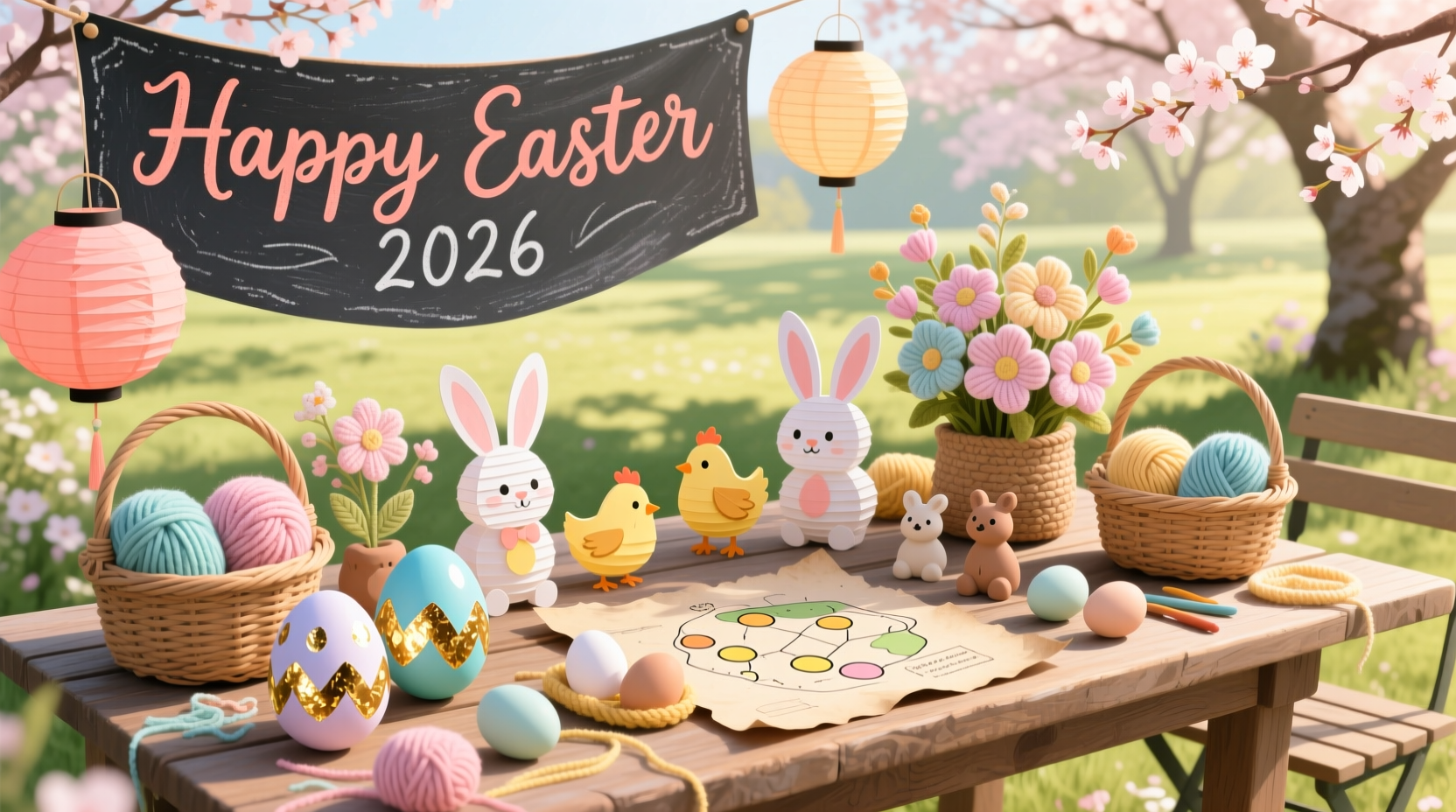
If you're looking for engaging and festive ways to celebrate Easter Sunday, April 5, 2026, do it yourself Easter projects offer a perfect blend of creativity, tradition, and hands-on fun for families, schools, and community groups. From handmade Easter baskets to natural egg dyes and spring-themed home decor, DIY Easter crafts allow individuals of all ages to personalize their celebrations while honoring age-old customs in modern, sustainable ways. These projects not only enhance the joy of the season but also foster meaningful connections through shared creativity.
Why DIY Easter Projects Are More Popular Than Ever
The rise in popularity of do it yourself Easter activities reflects a broader cultural shift toward mindful, eco-conscious, and family-centered celebrations. Unlike mass-produced decorations or disposable party supplies, handmade crafts promote sustainability, reduce waste, and encourage intergenerational bonding. Whether you’re crafting with toddlers or organizing a church event, DIY Easter projects provide an accessible way to engage diverse age groups. Plus, they make thoughtful gifts—personalized Easter ornaments or painted wooden bunnies can become cherished keepsakes.
Top 10 DIY Easter Craft Ideas for 2026
To help you plan ahead for Easter 2026, here are ten creative and practical do it yourself Easter project ideas that blend tradition with innovation.
- Natural Egg Dyeing Using Kitchen Ingredients
Skip artificial dyes and use pantry staples like turmeric (yellow), red cabbage (blue-purple), beets (pink), and coffee (brown). Boil eggs with these ingredients for 20–30 minutes, then gently scrub off any residue for a rustic finish. This eco-friendly method is safe for kids and reduces chemical exposure. - Handmade Felt Easter Baskets
Using colorful felt fabric, scissors, glue, and ribbon, create reusable baskets that last year after year. Add embroidered names or appliquéd bunnies for a personalized touch. These are ideal for Easter egg hunts or gifting homemade treats. - Paper Plate Bunny Masks
A classic craft for preschoolers, these masks require paper plates, cotton balls, markers, and popsicle sticks. Kids can wear them during Easter parades or storytelling sessions about the resurrection story or springtime folklore. - Egg Carton Caterpillars and Flowers
Repurpose cardboard egg cartons into adorable garden creatures. Cut sections, paint them bright colors, add pipe-cleaner antennae, and arrange them as centerpieces. This teaches children about recycling while sparking imagination. - DIY Resurrection Garden
Create a symbolic garden using soil, rocks, moss, and small figurines representing Jesus’ tomb. This spiritual project helps families discuss the religious meaning of Easter and serves as a devotional centerpiece throughout Holy Week. - Painted Rock Bunnies and Chicks
Collect smooth stones from your yard, wash them, and let kids paint whimsical faces using acrylics. These can be hidden during an Easter hunt or placed in garden beds as seasonal decor. - Tissue Paper Stained Glass Windows
Cut black construction paper into frames, then fill the openings with torn pieces of colored tissue paper. When taped to sunny windows, they mimic stained glass and celebrate spring’s light. Great for classrooms or nurseries. - Homemade Playdough Eggs
Make non-toxic playdough using flour, salt, water, and food coloring. Shape it into eggs and hide small toys inside. Children love cracking them open—an interactive twist on traditional egg hunts. - Recycled Jar Lanterns
Decorate mason jars with glued-on eggshells, lace, or tissue paper. Place LED tea lights inside for a soft glow during evening services or backyard gatherings. These double as Easter table centerpieces. - Family Easter Banner
String together cardstock or fabric flags with messages like “He Is Risen,” “Happy Easter,” or each family member’s name. Hang it across the living room or porch to welcome guests with warmth and personal flair.
Materials and Budget Tips for DIY Easter Crafting
One of the biggest advantages of do it yourself Easter projects is cost savings. Most materials can be sourced from around the house or purchased affordably at dollar stores, craft outlets, or online marketplaces. Consider buying bulk packs of glue, googly eyes, and pipe cleaners for group events. Reuse items from previous years—felt scraps, ribbon, and stencils—to minimize expenses.
For larger projects like resurrection gardens or classroom displays, organize a supply swap with neighbors or fellow parents. Many churches and schools also host pre-Easter craft fairs where families can donate unused materials.
Crafting with Children: Safety and Engagement Tips
When involving young children in DIY Easter crafts, prioritize safety and simplicity. Use non-toxic paints, washable markers, and child-safe scissors. Supervise closely when small parts like beads or magnets are involved. Break complex projects into manageable steps—for example, assign one child to paint, another to glue, and a third to decorate.
To maintain engagement, incorporate storytelling. While painting eggs, talk about how different cultures view the egg as a symbol of new life. During basket-making, share the history of Easter traditions from Germany (Osterhase) to Greece (red-dyed eggs). This enriches the experience beyond mere crafting.
Regional Variations in Easter Crafts and Traditions
While DIY Easter projects are popular across the United States, regional and cultural influences shape how they’re expressed. In Pennsylvania Dutch communities, for instance, intricate krampuses and hex signs inspire folk-art-style decorations. In Louisiana, Mardi Gras bead remnants often get repurposed into vibrant Easter wreaths. In Southwest regions, adobe-style nativity scenes may be adapted into resurrection-themed dioramas.
Globally, countries like Ukraine are famous for pysanky, a wax-resist egg decorating technique that dates back centuries. Though more advanced, simplified versions can be taught using crayons and dyes. Introducing international styles broadens children’s cultural awareness and adds depth to home celebrations.
How to Plan a DIY Easter Event or Craft Party
Hosting a DIY Easter craft party? Start by choosing a theme—such as “Spring Garden,” “Bunny Bonanza,” or “Egg-stravaganza.” Set up rotating stations so guests can move freely between activities. Provide aprons or old shirts to protect clothing, and have wipes and hand sanitizer nearby.
Create a schedule: 30 minutes per station works well for ages 5–10. Offer take-home bags so kids can bring their creations safely. Include printed instructions so families can recreate the projects later. For adult-focused events, consider wine-and-craft nights featuring macramé Easter hangers or calligraphy practice on Easter cards.
Sustainable and Eco-Friendly DIY Alternatives
As environmental awareness grows, many families are shifting toward green Easter practices. Instead of plastic grass in baskets, use shredded paper or real moss. Replace candy-filled plastic eggs with biodegradable ones made from rice starch or papier-mâché. Plant seeds inside hollow eggs so children can grow herbs or flowers—a living reminder of renewal.
Use natural twine instead of synthetic ribbons, and opt for soy-based or water-based paints. Even dyeing eggs can be eco-conscious: save the dye water to water indoor plants (avoid if using vinegar-heavy recipes).
Differences Between Religious and Secular Easter Crafts
DIY Easter projects span both sacred and secular themes. Religious crafts often focus on biblical narratives—the empty tomb, the cross, ascension scenes—while secular ones emphasize bunnies, chicks, rainbows, and spring blooms. Both are valid expressions of the holiday, and many families blend them.
In educational settings, balance is key. Public schools may avoid overtly religious symbols, so projects like egg balancing challenges or spring nature collages keep the tone inclusive. Churches and faith-based programs, however, can delve deeper into scriptural symbolism through crafts like crown-of-thorns bracelets or rolled stone tomb models.
Common Challenges and How to Overcome Them
Even experienced crafters face hurdles. Here are common issues and solutions:
- Limited Time: Prepare templates and pre-cut materials in advance. Focus on one or two signature projects rather than overwhelming variety.
- Mess Management
- Kid Frustration: Choose age-appropriate tasks. Let younger children stamp, sticker, or sprinkle glitter instead of detailed painting.
- Allergies: Avoid food-based materials (e.g., peanut butter clay) and label all supplies clearly.
Where to Find Inspiration and Free Resources
Looking for fresh ideas? Explore Pinterest boards tagged “DIY Easter crafts 2026” or YouTube tutorials demonstrating step-by-step techniques. Websites like FamilyEducation.com, DLTK-Kids.com, and Ministry-To-Children.com offer free printable patterns and lesson plans. Libraries often host free craft workshops in March—check local listings.
Church bulletins and school newsletters may announce community crafting days. Join Facebook groups focused on homeschooling, parenting, or Christian education for peer-shared tips and material swaps.
| Project | Ages Suitable | Time Required | Main Materials | Eco-Friendly? |
|---|---|---|---|---|
| Natural Egg Dyeing | 4+ | 30–40 min | Eggs, spices, pots | Yes |
| Felt Baskets | 6+ | 45 min | Felt, glue, scissors | Reusable |
| Paper Plate Masks | 3–8 | 20 min | Plates, paint, sticks | Biodegradable |
| Resurrection Garden | 8+ | 60 min | Soil, rocks, figurines | Yes |
| Painted Rocks | 5+ | 30 min | Stones, acrylics | Yes |
Final Thoughts: Making Easter Meaningful Through Creativity
As Easter 2026 approaches on April 5, embracing do it yourself Easter projects offers a joyful, intentional way to celebrate. Whether your focus is spiritual reflection, family fun, or artistic expression, these crafts deepen the experience far beyond commercial festivities. By combining tradition with personal creativity, you create lasting memories—and maybe even start new family rituals.
Start planning now: gather supplies, test natural dyes, and involve your kids in choosing which projects to try. With a little preparation, your Easter celebration can be both beautiful and meaningful.
Frequently Asked Questions
- What date is Easter in 2026?
Easter Sunday falls on April 5, 2026. It is determined by the first Sunday after the first full moon following the spring equinox. - Are there any no-mess DIY Easter crafts for toddlers?
Yes! Try sticker mosaics on paper eggs, coloring sheets, or sensory bins filled with plastic eggs and foam bunnies. These minimize spills and cleanup. - Can I make Easter decorations ahead of time?
Absolutely. Many crafts like felt baskets, banners, and painted rocks can be made weeks in advance and stored in containers. - How do I explain the religious meaning of Easter through crafts?
Use visual aids like empty tomb models, cross-shaped popsicle stick frames, or sunrise drawings. Pair each craft with a short Bible verse or story. - Where can I find free printables for DIY Easter projects?
Websites like TLSBooks.com, Crayola.com, and Ministry-To-Children.com offer free downloadable templates for coloring pages, masks, and games.





 浙公网安备
33010002000092号
浙公网安备
33010002000092号 浙B2-20120091-4