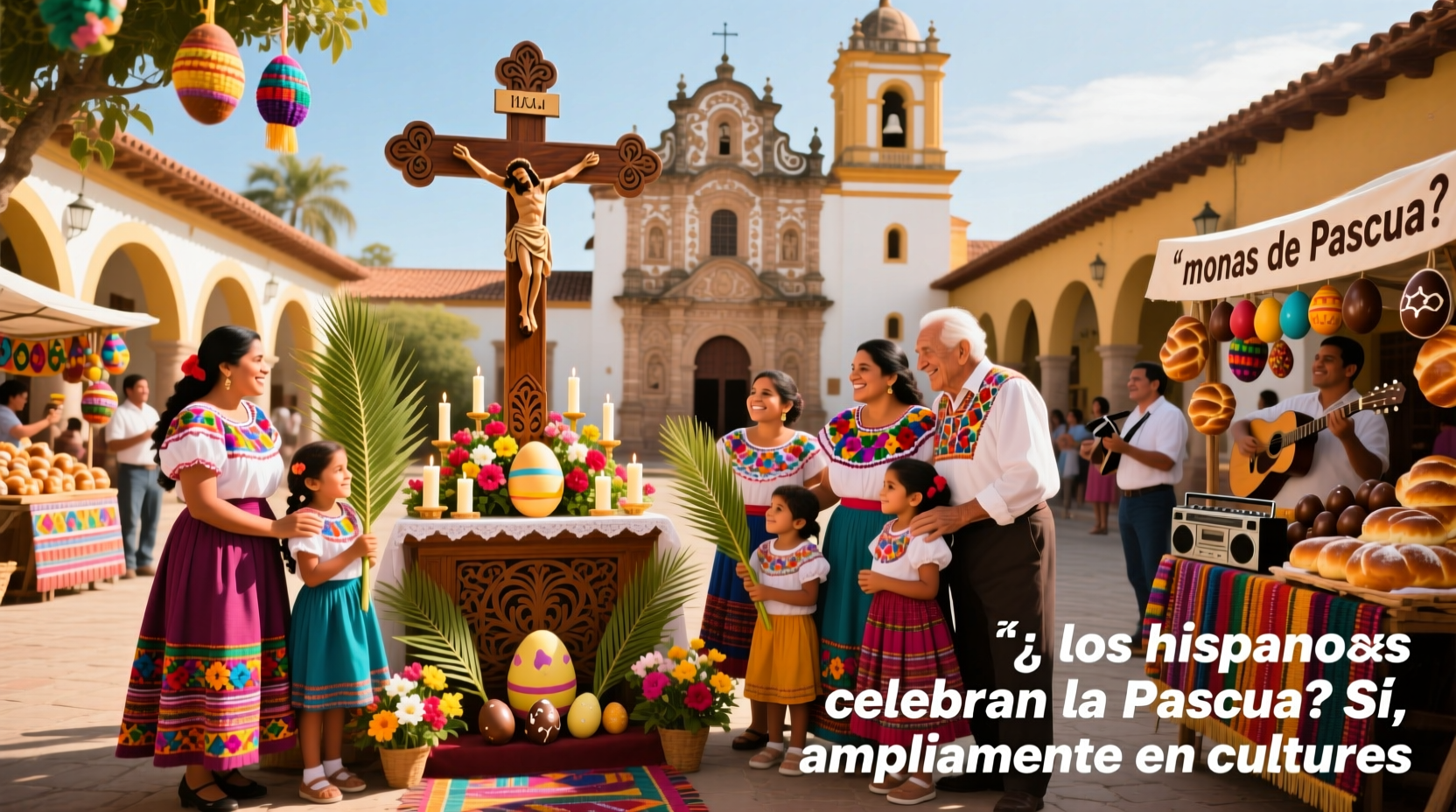
Yes, Hispanics do celebrate Easter—deeply and devotionally. Known as Día de Pascua or Pascua Florida in many Spanish-speaking communities, Easter is one of the most significant religious holidays observed throughout Hispanic cultures worldwide. From solemn processions in Mexico to family feasts in Argentina and vibrant church services in the United States, Hispanic Easter traditions reflect a rich blend of Catholic faith, indigenous influences, and regional customs. These celebrations often begin with Holy Week, or Semana Santa, which includes rituals like reenactments of the Passion of Christ, candlelit vigils, and special masses that draw millions each year.
Historical Roots of Hispanic Easter Observance
The widespread celebration of Easter among Hispanic populations stems from centuries of Catholic evangelization following the arrival of Spanish missionaries in the Americas during the 15th and 16th centuries. As Spain colonized large parts of Central and South America, the Caribbean, and parts of what is now the southwestern United States, they brought Roman Catholicism with them. Over time, European liturgical practices merged with local beliefs and traditions, creating unique expressions of Easter observance that remain strong today.
In countries such as Mexico, Guatemala, Peru, Colombia, and Ecuador, Semana Santa evolved into a central cultural and spiritual event. Towns like Taxco, Popayán (Colombia), and Antigua (Guatemala) are internationally recognized for their elaborate processions, where penitents walk barefoot carrying crosses, and intricate carpets made of colored sawdust, flowers, and herbs line the streets. These acts of public devotion trace back to medieval Spanish traditions but have taken on distinct local meanings over generations.
Key Hispanic Easter Traditions and Practices
While there is variation across regions, several core elements define how Hispanics observe Easter:
- Semana Santa (Holy Week): The week leading up to Easter Sunday is marked by daily religious services, fasting, and reflection. Palm Sunday kicks off the week with blessings of palm fronds, while Maundy Thursday commemorates the Last Supper and Good Friday features somber processions honoring Christ’s crucifixion.
- Procesiones (Religious Processions): One of the most visually striking aspects of Hispanic Easter celebrations. Statues of Jesus and Mary are carried through towns by confraternities or brotherhoods (hermandades). In Seville, Spain, these processions can last all night; in smaller villages, entire communities participate.
- Novenas and Vigils: Many families attend novenas—nine days of prayer—leading up to Easter. On Holy Saturday, some hold overnight vigils culminating in the joyful Misa de Resurrección (Resurrection Mass) at dawn on Easter Sunday.
- Traditional Foods: Each country has its own festive dishes. In Mexico, capulines en miel (prickly pear dessert), rosca de pascua, and mole are common. In the Philippines (historically influenced by Spain), ensaymada and hamonado pork are served. Families often break Lenten fasts with rich meals featuring lamb, chicken, or seafood.
- Easter Eggs and Children's Customs: While not as commercialized as in Anglo cultures, egg games and small gifts for children occur, especially in urban areas. Some regions incorporate folkloric characters instead of the Easter Bunny, emphasizing religious symbolism over secular figures.
Regional Differences in Hispanic Easter Celebrations
Though united by shared Catholic roots, Easter observances vary significantly across the Hispanic world:
| Country/Region | Distinctive Tradition | Public Observance Level |
|---|---|---|
| Mexico | Elaborate Santo Entierro processions; street altars; sawdust carpets | National holiday; schools and businesses close |
| Spain (Andalusia) | Seville’s famed Hermandades processions with ornate floats | Major regional holiday; tourism peaks |
| Guatemala (Antigua) | Colorful alfombras (carpets) made from natural materials | City-wide closures; international visitors |
| Argentina | Families gather for roasted lamb; fewer public processions | National holiday; focus on family meals |
| United States (Latino Communities) | Bilingual masses; mix of traditional and American customs | Varies by city; high church attendance |
These differences highlight how local history, climate, and social dynamics shape religious expression. For example, coastal communities may include blessings of the sea on Easter Sunday, while mountainous regions emphasize pilgrimage routes.
How Hispanic Easter Differs from Mainstream U.S. Celebrations
In predominantly English-speaking North America, Easter is often associated with the Easter Bunny, egg hunts, pastel colors, and brunches. While many Hispanic families in the U.S. adopt some of these customs—especially for children—the religious dimension remains paramount. Attending midnight Mass on Easter Sunday is far more central than finding hidden eggs.
Additionally, Lenten sacrifices tend to be more strictly observed in traditional Hispanic households. Abstaining from meat on Fridays, attending weekly Stations of the Cross, and making personal offerings are common. This contrasts with more secular or commercial approaches seen elsewhere.
Modern Changes and Cultural Blending
Globalization and migration have led to evolving Easter practices within Hispanic communities. Second- and third-generation Latinos in the U.S. may blend traditions: attending early morning Mass followed by an egg hunt hosted by a local parish. Churches increasingly offer bilingual programs and incorporate both devotional prayers and festive activities.
At the same time, younger generations sometimes view Semana Santa more as a vacation period than a sacred observance, particularly in urban centers. However, major cities still see packed churches and revived interest in ancestral customs, suggesting resilience in cultural identity.
How to Experience Authentic Hispanic Easter Celebrations
If you're interested in participating in or observing genuine Hispanic Easter traditions, here are practical steps:
- Attend a Local Hispanic Church Service: Look for parishes with Spanish-language Masses, especially during Holy Week. Many post schedules online or welcome visitors.
- Visit Cultural Centers or Museums: Institutions like the National Museum of Mexican Art (Chicago) or El Museo del Barrio (New York) often host exhibitions or events around Easter.
- Travel During Semana Santa: If possible, plan trips to destinations known for their processions—such as Popayán, Cartagena, or Iztapalapa (Mexico City)—but book well in advance due to high demand.
- Learn Basic Religious Terms: Knowing phrases like ¿Dónde es la procesión? (“Where is the procession?”) or feliz Pascua (“Happy Easter”) shows respect and opens doors to deeper engagement.
- Support Local Businesses: Buy traditional foods from Latino bakeries or markets—like rosca de pascua or tamales—to honor culinary heritage.
Common Misconceptions About Hispanic Easter Observance
Several myths persist about how Hispanics celebrate Easter:
- Misconception 1: "Hispanics don’t take Easter seriously because they also celebrate Carnival." Reality: Carnival ends before Lent begins; it’s part of the liturgical calendar, not a distraction from Easter.
- Misconception 2: "All Hispanic Easter events are the same across countries." Reality: There is immense diversity—from silent processions in Spain to music-filled gatherings in Puerto Rico.
- Misconception 3: "Younger Hispanics are abandoning Easter traditions." Reality: While forms change, surveys show continued high levels of religious affiliation and participation among Latino youth, especially in family settings.
Why Understanding Hispanic Easter Matters
Recognizing the depth and significance of Easter in Hispanic culture fosters greater intercultural understanding. It highlights how religion, history, and identity intersect in meaningful ways. For educators, community leaders, and marketers, appreciating these nuances ensures respectful representation and effective communication.
Moreover, as the U.S. Hispanic population continues to grow—now over 63 million—awareness of their religious practices becomes essential for inclusive workplaces, schools, and public services. Acknowledging holidays like Semana Santa helps build bridges between communities.
Frequently Asked Questions
Do all Hispanic countries celebrate Easter on the same date?
Yes, most Hispanic countries follow the Gregorian calendar and celebrate Easter Sunday on the same date as the global Catholic Church—typically between March 22 and April 25. The exact date varies yearly based on the lunar cycle.
Is Good Friday a public holiday in Hispanic countries?
Yes, in nearly all majority-Hispanic nations, Good Friday is an official public holiday. Government offices, banks, and schools close, and many businesses operate on reduced hours.
Can non-Hispanics attend Semana Santa processions?
Absolutely. Most processions are open to the public and welcome respectful observers. Dress modestly, remain quiet, and avoid blocking views or interfering with participants.
What should I wear if attending a Hispanic Easter service?
Dress conservatively out of respect. Women often wear dresses or skirts with covered shoulders; men typically wear slacks and collared shirts. In rural areas or traditional parishes, formal attire is expected.
Are there any safety concerns when traveling for Semana Santa?
Large crowds and increased traffic are common. Check local advisories, stay aware of your surroundings, and book accommodations early. Avoid confrontations and respect religious sensitivities during solemn moments.




 浙公网安备
33010002000092号
 浙B2-20120091-4