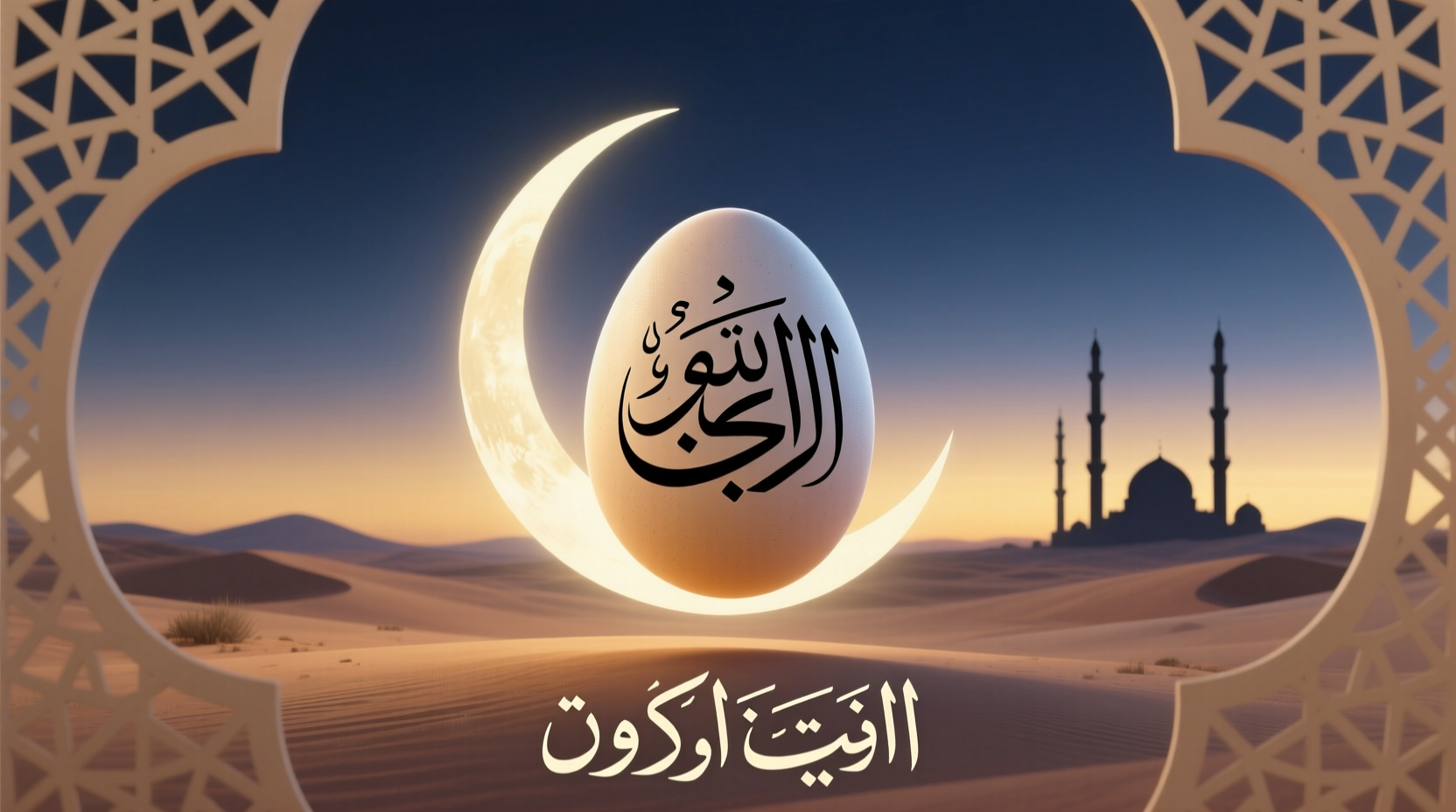
The question are Easter eggs haram is one that many Muslim families ask when navigating cultural celebrations like Easter. In general, the act of giving or receiving decorated eggs during Easter is considered makruh (disliked) or potentially haram (forbidden) by many Islamic scholars due to its strong association with non-Islamic religious symbolism. The core concern lies not in the egg itself, but in participating in rituals or symbols tied to Christian theology, which could imply endorsement of beliefs contrary to Islam. Therefore, while chocolate or painted Easter eggs are not inherently impermissible substances, their use as part of a religiously symbolic tradition raises concerns about imitation of other faiths (tashabbuh), making the practice problematic under Islamic jurisprudence.
Understanding the Religious Basis: Why Might Easter Eggs Be Considered Haram?
To fully answer are Easter eggs haram, it's essential to explore the theological principles behind Islamic rulings on participation in non-Muslim religious practices. The primary sources of Islamic law—the Quran and Sunnah—prohibit Muslims from imitating the rituals of other religions. A well-known hadith states: 'Whoever imitates a people is one of them' (Sunan Abu Dawood, Hadith 4031). This principle is central to understanding why even seemingly harmless customs like Easter egg hunts might be discouraged.
Easter eggs, particularly in Western Christian traditions, symbolize the resurrection of Jesus Christ and the renewal of life. The egg represents the sealed tomb from which Jesus rose, and the cracking of the shell signifies His emergence. For Muslims, who revere Jesus ('Isa, peace be upon him) as a prophet but do not believe in his crucifixion or divinity, adopting symbols tied to these doctrines can be seen as contradicting core Islamic beliefs.
Additionally, many scholars emphasize the concept of wasilah (means leading to sin)—that even small acts associated with non-Islamic festivals can gradually lead to deeper involvement or normalization of beliefs incompatible with tawhid (monotheism). Thus, while a plain chocolate egg may contain halal ingredients, its presentation in the context of Easter baskets, bunny figures, and church-related festivities transforms it into a religious symbol rather than a neutral treat.
Halal vs. Haram: Evaluating the Ingredients and Intent
When assessing whether Easter eggs are haram, two key factors must be considered: the physical composition of the egg (e.g., chocolate, coloring, additives) and the intention behind its use. From a dietary standpoint, most commercially produced Easter eggs—especially those labeled halal or made without alcohol, gelatin, or non-halal emulsifiers—are permissible in terms of consumption. However, permissibility in food does not automatically extend to participation in symbolic acts.
For example, a Muslim child eating a halal-certified chocolate egg received at school may not be sinful if unaware of its symbolic meaning. But actively engaging in an Easter egg hunt organized around Christian themes, dressing up in bunny costumes, or displaying crosses alongside eggs crosses a line for many scholars. The issue isn't the sugar or cocoa—it's the endorsement of a religious narrative through ritualistic behavior.
Imam Yusuf Al-Qaradawi, a prominent contemporary scholar, has stated that Muslims should avoid celebrating non-Islamic festivals, including exchanging gifts or adopting festive decorations, because such actions blur religious boundaries and weaken Islamic identity, especially among youth.
Cultural Context and Regional Differences
The perception of Easter eggs varies significantly depending on geographic and cultural context. In predominantly Christian countries like the United States, Canada, or the UK, Easter is widely celebrated both religiously and secularly. Many schools and communities host Easter events that include egg hunts, crafts, and storytelling—all often framed within a Christian context, even if marketed as 'fun for all.'
In such environments, Muslim parents face real challenges. Should children participate in classroom activities involving Easter eggs? Can they accept candy from friends? These practical dilemmas require nuanced judgment. Some scholars advise polite abstention, suggesting that Muslim children bring alternative snacks or engage in parallel educational activities about Islamic values of kindness and generosity without mimicking foreign rites.
In contrast, in Muslim-majority countries where Easter is not widely observed, the issue rarely arises. However, globalization and international media have increased exposure. Children may see Easter celebrations online or receive themed toys and chocolates imported from abroad, prompting questions about appropriateness.
| Aspect | Islamic Perspective | Notes |
|---|---|---|
| Consuming Halal Chocolate Eggs | Permissible (if ingredients are halal) | Intention matters; avoid treating as festival item |
| Participating in Egg Hunts | Generally discouraged or haram | Seen as imitation of religious ritual |
| Decorating Eggs at Home | Makruh if linked to Easter | Neutral activity if done purely as art |
| Giving Easter Gifts | Not recommended | May imply recognition of religious holiday |
| Accepting Gifts from Non-Muslims | Permissible with caution | Thank politely but don’t celebrate the occasion |
Common Misconceptions About Easter Eggs and Islam
Several misconceptions cloud the discussion around are Easter eggs haram. One common belief is that anything associated with Christianity is automatically forbidden. That’s not accurate. Islam permits friendly relations with People of the Book (Christians and Jews), including gift exchange and social interaction, as long as there’s no compromise on faith.
Another misconception is that all symbolic acts are equally problematic. Scholars differentiate between *core rituals* (like attending church services) and *cultural expressions* (such as seasonal candy sales). The former is clearly prohibited; the latter requires careful discernment.
Some argue that since Easter eggs predate Christianity—having roots in pagan spring festivals—they aren’t inherently religious. While historically true, this doesn’t change their current meaning. Symbols evolve, and today’s Easter egg is overwhelmingly associated with Christian doctrine in mainstream culture. Intent and public perception matter more than ancient origins in fiqh (jurisprudence).
Alternatives for Muslim Families During Spring Celebrations
Rather than focusing solely on what to avoid, Muslim families can embrace positive alternatives that align with Islamic values. Instead of Easter egg hunts, parents can organize Spring Nature Scavenger Hunts featuring items like flowers, birds, or Qur’anic verses about creation. Activities can highlight Allah’s signs in nature (ayat takwiniyyah), reinforcing gratitude and reflection.
Sweet treats can still be part of family time—halal chocolates shaped like stars, moons, or animals can replace cross-shaped or bunny-themed candies. Some Muslim-owned confectionery brands now offer 'Spring Celebration Boxes' free from religious imagery, catering specifically to observant families.
Charity is another powerful alternative. The spirit of giving during holidays can be redirected toward sadaqah or feeding the poor. Teaching children that generosity isn’t tied to any calendar event but flows continuously from faith strengthens their Islamic identity.
Guidance for Parents and Educators
Navigating questions like are Easter eggs haram becomes especially important for Muslim parents raising children in multicultural societies. Open dialogue is crucial. Explain to kids why certain traditions aren’t practiced at home—not out of disrespect, but because Muslims have their own beautiful celebrations like Eid al-Fitr and Eid al-Adha.
School settings pose unique challenges. If teachers plan Easter activities, parents can respectfully request inclusive alternatives or allow their children to observe rather than participate. Many educators appreciate advance communication and are willing to accommodate religious diversity.
Religious leaders and weekend Islamic schools also play a role. Offering workshops or lesson plans on how to handle interfaith situations equips young Muslims with confidence and knowledge. Emphasizing pride in Islamic heritage helps prevent feelings of exclusion.
What Do Major Islamic Authorities Say?
Different Islamic councils and scholars have issued guidance relevant to modern questions like are Easter eggs haram. The European Council for Fatwa and Research (ECFR) has ruled that Muslims should not celebrate non-Islamic religious holidays, including Christmas and Easter, based on the principle of maintaining distinct religious identity.
Similarly, Saudi Arabia’s Permanent Committee for Scholarly Research and Ifta has stated that participating in non-Muslim festivals, even in minor ways, is not allowed, as it may lead to assimilation and weakening of religious commitment.
However, some moderate voices suggest contextual flexibility. Dr. Jamal Badawi argued that incidental exposure or passive receipt of holiday items (like a colleague giving chocolate) does not constitute celebration, provided there’s no intent to honor the religious significance.
How to Verify Information and Make Personal Decisions
Given varying scholarly opinions, individuals should consult trusted local imams or qualified scholars familiar with their circumstances. Online fatwas can be helpful but should come from reputable institutions. Always consider the source, date, and context of religious rulings.
Families should also assess their environment. In highly religious settings, stricter adherence may be advisable. In pluralistic contexts, emphasis might shift toward education, boundary-setting, and promoting Islamic alternatives rather than outright confrontation.
Conclusion: Balancing Faith, Culture, and Compassion
To directly address the query are Easter eggs haram: while the eggs themselves may be physically halal, their use as part of Easter traditions is generally considered impermissible in Islamic teaching due to their symbolic connection to Christian doctrine and the prohibition against imitating non-Muslim religious practices. The ruling hinges on context, intent, and potential for religious confusion, especially among children.
Muslims are encouraged to uphold their faith with clarity and dignity, avoiding practices that compromise monotheism while remaining kind and respectful toward others. By offering meaningful, Islamically grounded alternatives, families can nurture strong identities rooted in tawhid, mercy, and purposeful living.
Frequently Asked Questions
- Can Muslims eat chocolate Easter eggs?
Yes, if the ingredients are halal and consumed without acknowledging the religious aspect of Easter. - Is it haram to decorate eggs with my kids?
If done as a neutral art project unconnected to Easter, it may be acceptable. Avoid using religious symbols or framing it as a holiday activity. - Should I let my child join an Easter egg hunt at school?
Most scholars advise against participation in religiously themed events. Consider discussing alternatives with teachers or allowing observation only. - Are all Easter-related activities forbidden?
Activities become problematic when they involve worship, symbolism, or imitation of rituals. General springtime joy or family outings aren’t inherently haram. - Can I accept Easter gifts from Christian friends?
Yes, accepting gifts is permissible as an act of goodwill, but avoid reciprocating in a way that suggests celebration of the holiday.





 浙公网安备
33010002000092号
浙公网安备
33010002000092号 浙B2-20120091-4