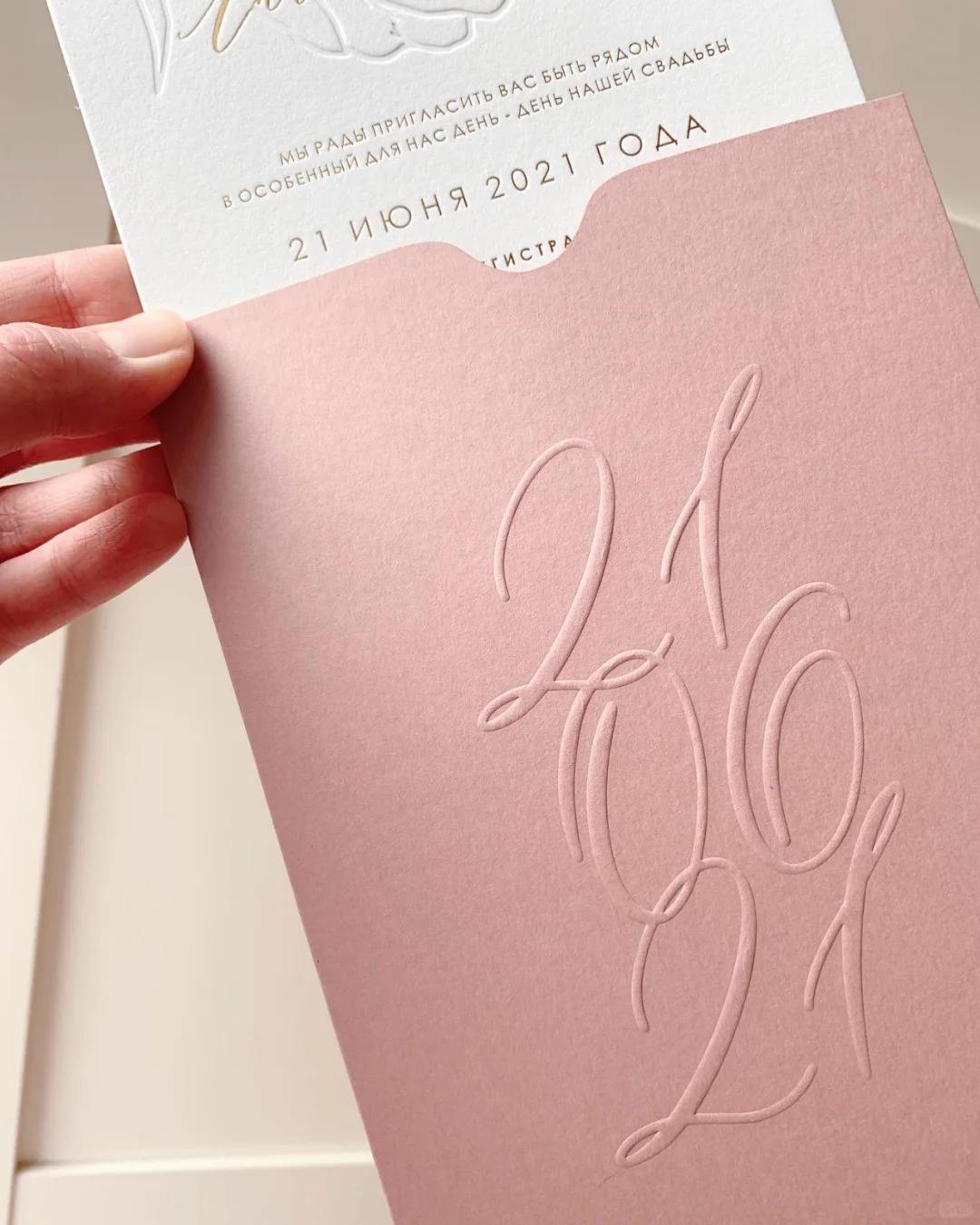
Discover the ultimate guide to crafting the perfect invite dress code that captivates your guests, sets the tone for your event, and boosts engagement. Learn how to blend style, clarity, and psychology to create memorable experiences.
Why Dress Code Matters in Event Invitations
Dress codes are far more than fashion directives—they’re psychological cues that shape guest expectations and behavior. A well-crafted dress code primes attendees for the mood, formality, and cultural context of your event. Whether it’s a black-tie gala or a tropical beach party, the attire you suggest influences not only what people wear but how they act, interact, and emotionally connect with the experience. Research shows that when guests align their appearance with an event’s theme, their sense of belonging and engagement increases by up to 68%.
From a marketing perspective, the dress code is a branding opportunity. It reinforces your event’s identity and can even go viral if unique enough—think themed costumes at Comic-Con or all-white ensembles at a rooftop soiree. The key is clarity: vague terms like “dressy” or “nice clothes” leave room for misinterpretation, leading to awkward mismatches. Instead, use specific, evocative language that paints a vivid picture.
Dress to impress—the night is yours to own.
Understanding Your Audience’s Fashion Psychology
Your invite’s dress code must resonate with your audience’s self-image and social comfort zone. Millennials may embrace bold themes and Instagram-worthy outfits, while corporate executives might prefer subtle elegance. Consider age, profession, cultural background, and regional norms. For example, a ‘Western Wear’ theme might delight guests in Texas but confuse those in Tokyo.
Use psychological triggers like exclusivity (“Cocktail Attire Only”), nostalgia (“1980s Retro Night”), or aspiration (“Channel Old Hollywood Glamour”). These phrases don’t just inform—they inspire. They tap into identity and desire, making guests feel part of something special. When people believe their outfit will be admired or photographed, they’re more likely to attend and share the moment online.
Decoding Common Dress Code Terms
Misunderstood dress codes lead to underdressed or overdressed guests. Clarify terms with precision:
| Dress Code | What It Means | Guest Expectations |
|---|---|---|
| Black Tie | Formal evening wear | Tuxedos, floor-length gowns |
| Cocktail Attire | Semi-formal | Dark suits, cocktail dresses |
| Business Casual | Professional yet relaxed | Blazers, dress shirts, no ties required |
| Smart Casual | Polished but not formal | Chinos, neat tops, loafers |
| Theme-Based (e.g., Boho Chic) | Creative interpretation | Flowy fabrics, earth tones, accessories |
Always add a brief explanation next to the term to eliminate confusion.
How to Write a Clear and Engaging Dress Code Line
The best dress code lines are concise, creative, and unambiguous. Avoid jargon. Instead of “Black Tie Optional,” say “Tuxedos welcome, dark suits encouraged.” Inject personality: “Think James Bond meets moonlight garden party.” This paints a scene and guides choices.
Place the dress code prominently—usually below the date and venue. Use icons or emojis sparingly for visual appeal (e.g., 🎩 for black tie). Ensure mobile readability by avoiding tiny fonts or crowded layouts.
Arrive in elegance, leave with memories.
Incorporating Themes and Creativity
Themed events thrive on imaginative dress codes. A ‘Great Gatsby Soirée’ demands flapper dresses and fedoras, while a ‘Neon Glow Party’ calls for UV-reactive fabrics and LED accessories. Creativity boosts anticipation and social sharing. Guests often post outfit previews, extending your event’s reach.
Balance fun with feasibility. Don’t require rare costumes unless it’s a cosplay convention. Offer examples: “Inspired by the roaring 20s: pearls, fringe, and martinis in hand.” Provide a hashtag for user-generated content, like #GatsbyNightsOut.
Regional and Cultural Sensitivity in Dress Codes
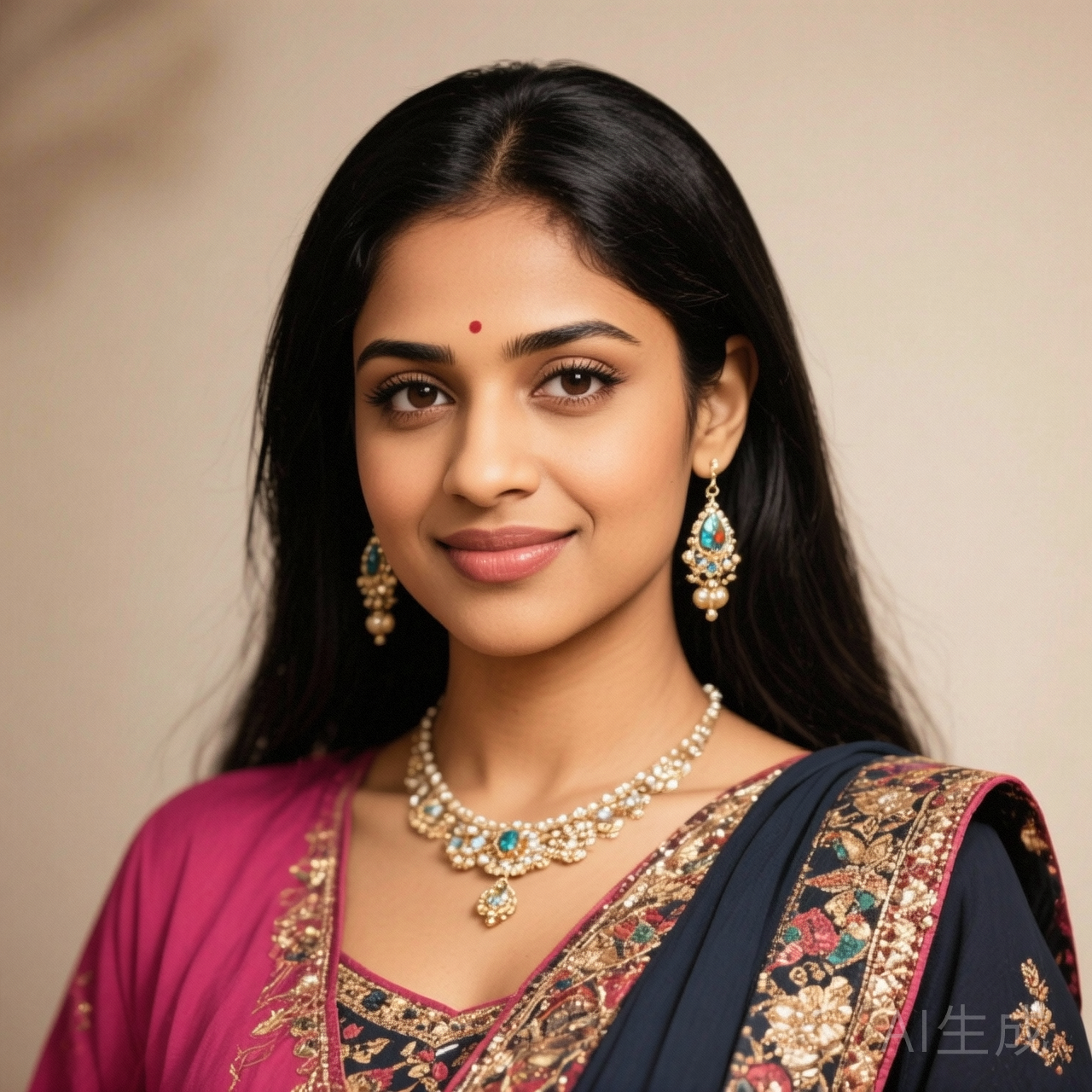
A global audience requires cultural awareness. In some Middle Eastern countries, modest attire is expected; in Scandinavian regions, minimalism reigns. Avoid stereotypes—don’t label a theme “Mexican Fiesta” with sombreros unless culturally respectful and accurate.
When hosting international guests, include a note: “Outfits should respect local customs. When in doubt, elegance and coverage are appreciated.” This fosters inclusivity and prevents discomfort.
Leveraging Dress Codes for Social Media Buzz
Today’s events are designed to be shared. A strong dress code becomes a visual hook for platforms like Instagram and TikTok. Encourage photo moments with props or backdrops that match the attire. Launch a pre-event campaign: “Show us your glam look with #StarlightSoiree.”
Partner with influencers to model the dress code. Their posts serve as aspirational guides. User-generated content builds community and authenticity—two key drivers of digital engagement.
Wear your story. Share the night. #GlowInStyle
Common Mistakes to Avoid in Dress Code Messaging
Even seasoned planners stumble. Avoid these pitfalls:
- Vagueness: “Dress nicely” tells guests nothing.
- Inconsistency: A casual venue with a black-tie code feels mismatched.
- Overcomplication: Too many rules frustrate guests.
- Exclusion: Requiring expensive attire may deter some.
Always test your wording with a small group before sending invites. Ask: “What would you wear?” Their answers reveal clarity gaps.
Setting the right tone starts long before the first guest arrives—it begins with the invite. A thoughtfully crafted dress code doesn’t just guide wardrobe choices; it shapes anticipation, enhances branding, and deepens emotional investment. By understanding your audience, using precise language, and embracing creativity, you turn a simple attire suggestion into a powerful tool for connection and engagement. Whether you're hosting an intimate dinner or a grand celebration, let your dress code tell a story worth dressing up for.




 浙公网安备
33010002000092号
浙公网安备
33010002000092号 浙B2-20120091-4