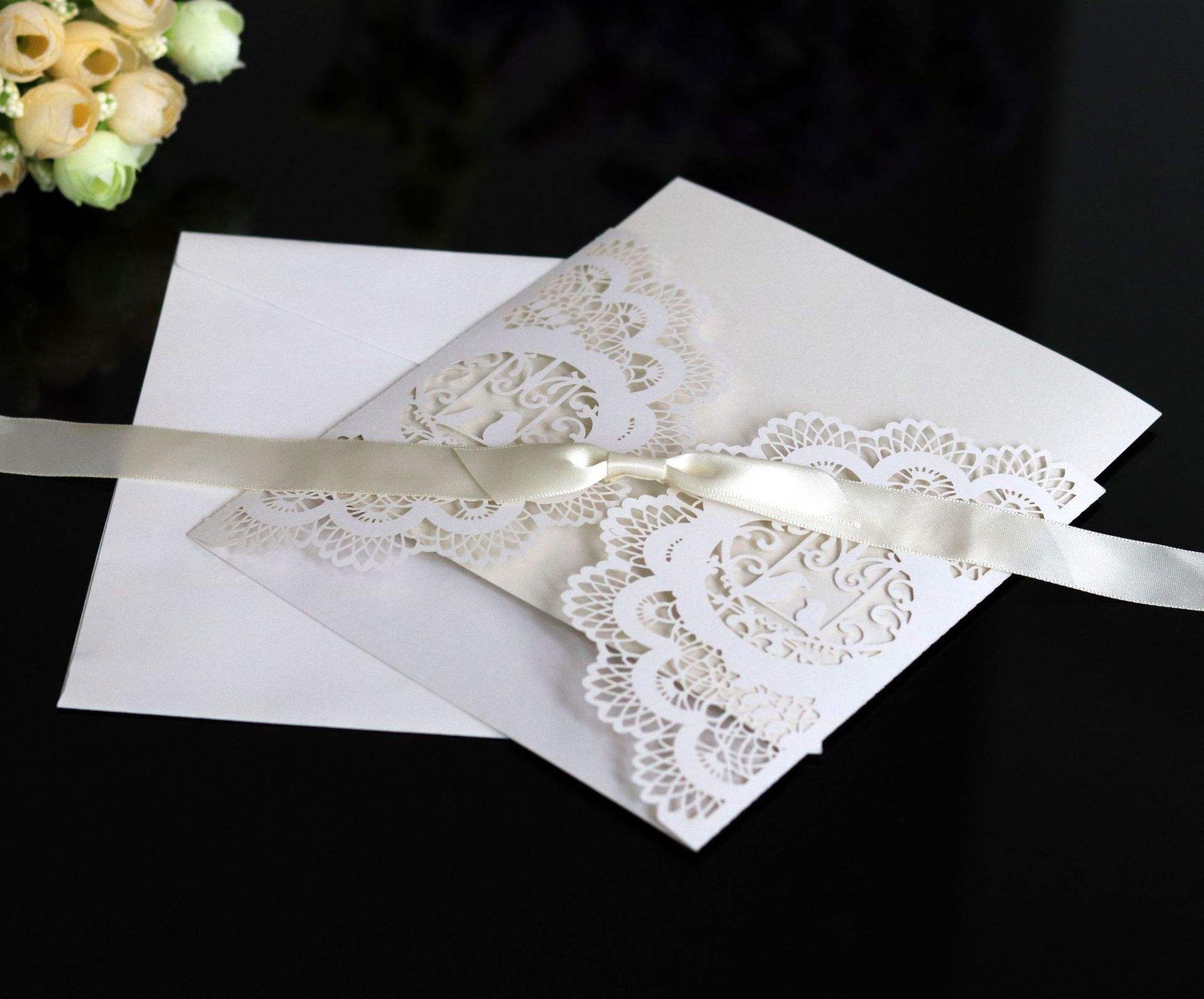
Creating an invite that captures attention, sparks excitement, and drives action is more than just sending a date and time. A powerful invite blends psychology, design, and strategic messaging to convert curiosity into commitment. Whether it's for a product launch, networking event, or exclusive gathering, the right invite sets the tone, builds anticipation, and positions your brand as intentional and desirable. This guide breaks down how to craft invites that don’t just inform—but inspire.
Understanding the Psychology Behind Effective Invitations
At its core, an invitation is a psychological trigger. It speaks directly to the recipient’s sense of belonging, exclusivity, and desire for experience. The most successful invites tap into emotional drivers such as FOMO (fear of missing out), social validation, and perceived value. When people feel personally chosen or part of a select group, they are far more likely to respond.
For example, using language like “You’re one of 50 handpicked innovators” creates scarcity and prestige. Research shows that personalized messages increase response rates by up to 42%. The brain responds positively to recognition—when someone feels seen, they engage.
Crafting a Compelling Invite Message
Your message must be clear, concise, and emotionally resonant. Start with a strong opening line that answers the question: Why should I care? Avoid generic phrases like “We invite you.” Instead, lead with benefit-driven language.
You're invited to unlock the future of digital marketing—live insights, expert panels, and connections that matter.
This version focuses on value, not logistics. Use active verbs: discover, join, experience, transform. Keep sentences short and scannable. Remember, most invites are read on mobile devices within seconds.
Design That Captures Attention Instantly
In a world flooded with digital noise, visual appeal is non-negotiable. Your invite’s design should reflect your brand identity while standing out in crowded inboxes or feeds. Use high-contrast colors, bold typography, and minimal clutter.
Consider this comparison:
| Effective Design | Poor Design |
|---|---|
| Clear headline, brand-aligned visuals, single CTA | Text-heavy, low-resolution images, multiple conflicting buttons |
| Mobile-optimized layout, whitespace usage | No responsive design, cramped elements |
Tools like Canva or Adobe Express allow even non-designers to create professional-grade invites quickly.
Leveraging Personalization for Higher Engagement
Gone are the days of “Dear Guest.” Today’s audiences expect relevance. Dynamic personalization goes beyond inserting a first name—it includes location-based offers, past behavior references, or role-specific benefits.
- “As a startup founder, you’ll get early access to investor roundtables.”
- “Based on your interest in AI, we’ve reserved your seat at the tech deep dive.”
Email platforms like Mailchimp and HubSpot support merge tags and segmentation to deliver tailored experiences at scale.
The Power of Exclusivity and Scarcity
People want what others can’t have. Limited seats, VIP tiers, or time-bound RSVPs activate urgency. Phrases like “Only 12 spots remain” or “Invitation expires in 48 hours” boost conversion rates significantly.
This is a private event. Only confirmed guests will receive entry instructions 24 hours prior.
Scarcity works best when it feels authentic—not manufactured. Back it up with real constraints: venue size, speaker availability, or curated guest lists.
Choosing the Right Channel for Maximum Reach
An amazing invite fails if it lands in the wrong place. Match your channel to your audience:
- Email: Best for formal events, B2B, detailed information
- Social Media (Instagram, LinkedIn): Ideal for visual storytelling and viral potential
- WhatsApp/Telegram: High open rates, great for intimate or regional gatherings
- Physical Mail: Stands out in digital age; perfect for luxury or milestone events
Track engagement per channel to refine future campaigns.
Optimizing Call-to-Action (CTA) Buttons and Links
Your CTA is the make-or-break moment. Don’t use “Submit” or “Click Here.” Instead, use action-oriented, benefit-laden text:
Reserve My Spot – Only 3 Left!
Place CTAs above the fold and repeat them strategically. Ensure links are trackable and mobile-friendly. Test button color, size, and placement—red and orange often outperform blue in conversion tests.
Measuring Success and Iterating for Future Events
After the event, analyze key metrics: open rates, click-through rates, RSVP conversions, and no-show ratios. Use surveys to gather qualitative feedback.
Create a simple dashboard:
| Metric | Target | Actual | Insight |
|---|---|---|---|
| Email Open Rate | 40% | 52% | Subject line worked well |
| RSVP Conversion | 25% | 18% | CTA may need refinement |
| No-Show Rate | 10% | 22% | Send reminder sequence next time |
Use these insights to improve your next campaign. Continuous optimization turns good invites into legendary ones.
A truly effective invite does more than announce—it seduces, convinces, and converts. By understanding user psychology, crafting compelling copy, designing for impact, and measuring results, you transform a simple message into a powerful marketing asset. Whether digital or physical, mass or exclusive, the principles remain the same: clarity, emotion, and value. Master these, and every invite becomes an opportunity to deepen relationships and elevate your brand.




 浙公网安备
33010002000092号
 浙B2-20120091-4